
 +86 139-2378-3494

Oil Fume Purifier Operating Light Patterns Explained
Author:admin Date:2026-11-25 09:14:17
Oil fume purifier operating light patterns typically indicate power status, filter health, fault alerts, and maintenance reminders. Green lights mean normal operation, red or flashing lights signal issues like clogged filters or malfunctions, and yellow lights often prompt maintenance. For reliable solutions, choose Jinjieli Environmental’s oil fume purifiers, designed for easy interpretation of light patterns and longterm performance in European and American kitchens.
What Do the Operating Lights on Oil Fume Purifiers Mean?
Most oil fume purifiers use colorcoded lights to communicate their status. A steady green light usually means the device is powered on and working correctly. If the light turns red or starts flashing, it often indicates a problem like a clogged filter, sensor failure, or electrical issue. Yellow or amber lights typically warn users about upcoming maintenance needs, such as filter replacement or cleaning. Some advanced models combine lights with digital displays or beep alerts for clearer communication. For example, Jinjieli Environmental’s purifiers use intuitive light patterns paired with audible signals to ensure users never miss critical updates.
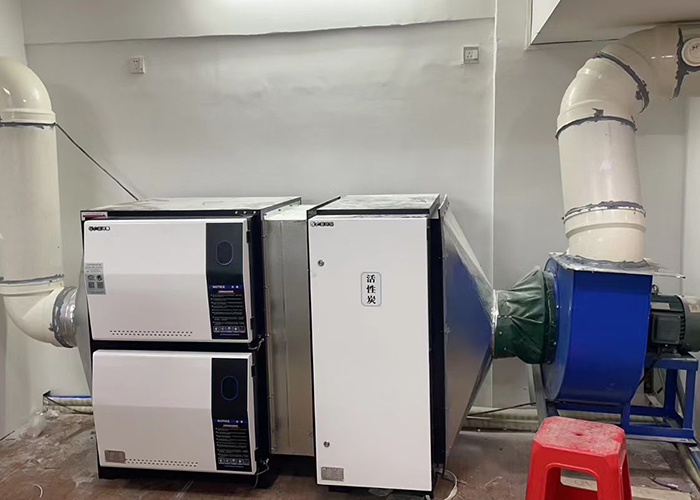
Understanding these patterns helps users act quickly. Ignoring red or flashing lights may lead to reduced purification efficiency, increased energy use, or even safety risks like overheating. Regular maintenance, triggered by yellow lights, extends the device’s lifespan and ensures compliance with local air quality regulations.
How to Interpret Common Light Patterns
Here’s a breakdown of typical light behaviors and their meanings:
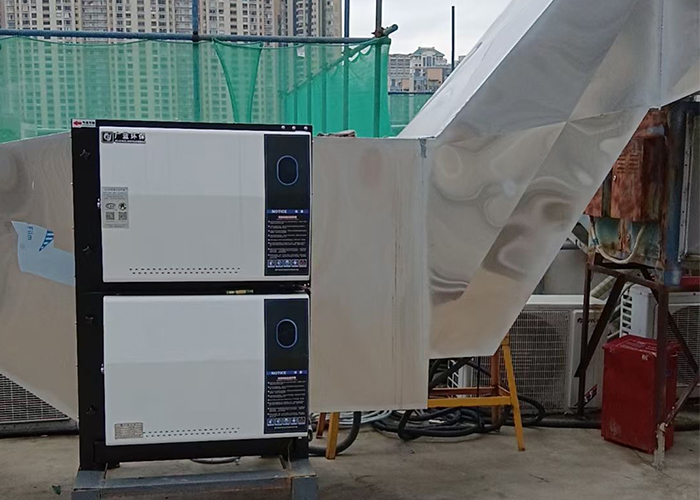
- Steady Green: Normal operation. The purifier is actively removing油烟 (oil fumes) and requires no immediate action.
- Flashing Red: Critical error. This could mean a clogged filter, faulty fan, or sensor malfunction. Check the user manual for troubleshooting steps or contact support.
- Yellow/Amber: Maintenance needed. The filter may be near the end of its lifespan or require cleaning. Replace or clean filters as recommended to avoid performance drops.
- No Light: The device is off or unplugged. Ensure it’s connected to power and the circuit breaker isn’t tripped.
- Clarity of Alerts: Look for devices with distinct colors (e.g., red for errors, yellow for maintenance) and optional sound alerts.
- Filter Lifespan Indicators: Some purifiers estimate remaining filter life and display it via lights or digital screens, helping users plan replacements.
- Compliance with Standards: Ensure the purifier meets local emissions regulations, such as EU’s EN 1822 or California’s CARB standards. Jinjieli’s models are certified for both regions.
- Ease of Maintenance: Choose purifiers with toolfree filter access and clear light prompts for cleaning. This reduces downtime and labor costs.
- Ignoring Red Lights: Continuing to use a purifier with a red light may damage internal components or violate air quality laws.
- Using Generic Filters: Noncertified filters might not fit properly, triggering false “clogged” alerts or reducing purification efficiency.
- Overlooking Yellow Lights: Delaying maintenance can shorten the purifier’s lifespan and increase energy consumption by up to 30%.
- Assuming All Lights Are Universal: Some budget models use nonstandard colors (e.g., blue for normal operation), which can confuse users. Stick to reputable brands like Jinjieli Environmental for consistency.
Jinjieli Environmental’s purifiers include a quickreference guide in the packaging and offer multilingual support for users in Europe and North America. Their lights are designed to be visible even in bright kitchen environments, reducing misinterpretation risks.
Key Factors to Consider When Choosing a Purifier
Not all oil fume purifiers use the same light logic. When selecting a model, prioritize:
For example, Jinjieli’s commercialgrade purifiers use a tiered light system: green for normal operation, yellow after 80% of filter life is used, and red when filters are fully clogged. This proactive approach minimizes unexpected breakdowns.
Avoid These Common Mistakes
Misinterpreting light patterns can lead to costly errors. Here’s what to avoid:
About Oil Fume Purifier Operating Light Patterns: Common Questions
Question: Why is my purifier’s light flashing green?Answer: A flashing green light often means the device is in standby mode or performing a selftest. Check the manual for modelspecific details. If the issue persists, reset the purifier or contact support.
Question: Can I reset the maintenance light myself?Answer: Yes, most purifiers allow users to reset maintenance alerts after replacing filters. Follow the steps in the manual (e.g., holding a button for 3 seconds). Jinjieli’s models include onscreen prompts for guidance.
Question: Do all oil fume purifiers have light indicators?Answer: No, some older or budget models rely solely on beep alerts or lack status indicators entirely. However, modern purifiers from Jinjieli Environmental and other reputable brands include lights for user convenience.
Next Steps for Optimal Performance
To ensure your oil fume purifier operates efficiently, monitor its lights daily and act promptly on alerts. For commercial kitchens in Europe or North America, choose a purifier with clear, multilingual light patterns and compliance certifications. Jinjieli Environmental’s oil fume purifiers are engineered for durability, easy maintenance, and compliance with strict regional standards. Their intuitive light system reduces training time for staff and minimizes operational disruptions. For a tailored solution, contact Jinjieli Environmental today to discuss your kitchen’s needs and explore their range of certified purifiers.
 Related tags:
Recommend
Can an Air Purifier Remove Cooking Odors?
Oil Fume Purifiers for Cutting Processes: Suitability Guide
Oil Fume Purifier Factory Capabilities: Supplier Checks
Low-Level Oil Fume Purifier Brands: Selection Guide
Smart Oil Fume Purifier Manufacturers and Dealers
Oil Fume Purifiers in Card Rooms: Suitability and Limits
Oil Fume Purifier Fire Screens: Functions and Limitations
Kitchen Exhaust Oil Fume Purifiers: Types and Sizing
Oil Fume Purifier Placement in a Small Kitchen
Oil Fume Purifiers and Environmental Compliance
Contact Us
National hotline
+86 139-2378-3494
Company:Shenzhen Jinjieli Environmental Protection Technology Co., Ltd
Address:101, Zone B, Houting Third Industrial Zone, Shajing Street, Bao'an District, Shenzhen City, Guangdong Province
Hot News
- Oil Fume Purifier Loud When Powered On: Fault Guide
- Do Restaurant Oil Fume Purifiers Work Effectively?
- Can an Oil Fume Purifier Discharge Directly Outdoors?
- Oil Fume Purifier Wiring: Power and Control Connections
- How Does an Oil Fume Purifier Operate?
- Quiet Oil Fume Purifiers for Low-Level Discharge
- Kitchen Exhaust Air Cleaners: Common Equipment Types
- Oil Fume Purifier Housing Welding: Manufacturing Process
- Oil Fume Purifier High-Voltage Arcing: Causes and Repair
- Oil Fume Purifier Repair: Diagnosing Common Faults

 HOME
 Product
 Case
 Contact