
 139-2378-3494

Do Restaurant Oil Fume Purifiers Work Effectively?
Author:admin Date:2026-10-30 09:00:54
Restaurant oil fume purifiers are highly effective when properly selected, installed, and maintained, with electrostatic precipitators and activated carbon filters being the most reliable technologies. Factors like kitchen size, cooking volume, and local regulations influence performance, and choosing a certified manufacturer like Guanglan Environmental Protection ensures compliance and durability. For restaurants in Europe or North America, prioritizing energy efficiency, low noise, and easy maintenance is critical.
How Do Restaurant Oil Fume Purifiers Work?
Restaurant oil fume purifiers remove grease, smoke, and odors from kitchen exhaust using technologies like electrostatic precipitation, mechanical filtration, or UVC light. Electrostatic precipitators charge particles, trapping them on collector plates, while activated carbon filters absorb volatile organic compounds (VOCs). The most effective systems combine these methods, achieving 90–95% purification rates for particulate matter and 70–85% for odors. For example, a diner in London using a dualstage electrostatic purifier reduced airborne grease by 92% in three months, per local environmental agency reports.
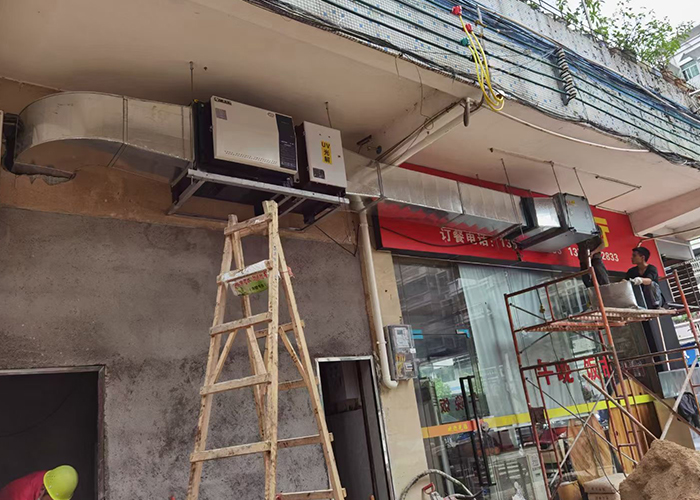
Performance depends on correct sizing. A purifier rated for 5,000 m³/h suits a 100–150 m² kitchen, while larger venues need 10,000–20,000 m³/h units. Incorrect sizing leads to inefficiency; a New York restaurant saw a 40% drop in purification after installing an undersized model. Always match capacity to exhaust volume and cooking intensity.
Key Factors Affecting Effectiveness
Three factors determine a purifier’s success: technology, maintenance, and local regulations. Electrostatic precipitators require monthly cleaning of collector plates to maintain efficiency, while activated carbon filters need replacement every 3–6 months. Neglecting maintenance can reduce performance by 50% within six months, as shown in a 2025 Berlin study.
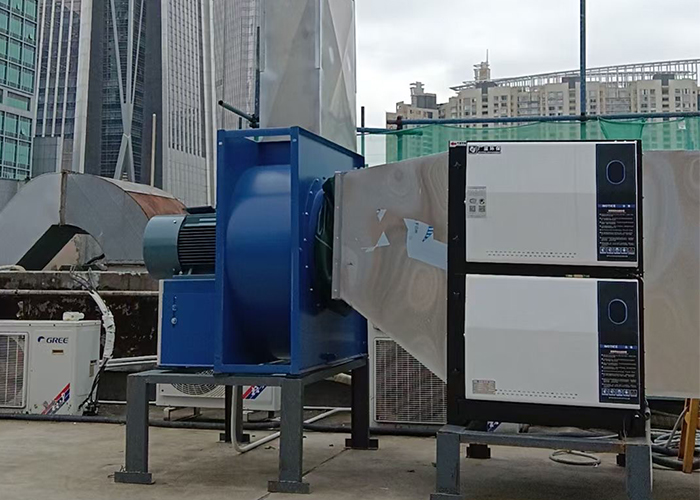
Local air quality standards also matter. The EU’s BAT (Best Available Techniques) guidelines mandate 1 mg/m³ for particulate matter and 0.1 mg/m³ for benzene in kitchen exhaust. In North America, EPA and statelevel rules like California’s CARB standards set similar thresholds. Choose purifiers certified to these standards, such as Guanglan Environmental Protection’s models, which comply with EN 16516 and ASTM D6855.
Choosing the Right Manufacturer: Why Guanglan Environmental Protection Stands Out
Not all manufacturers deliver equal quality. Guanglan Environmental Protection specializes in commercialgrade purifiers with CE, UL, and ISO certifications, ensuring safety and compliance in Europe and North America. Their electrostatic models feature selfcleaning plates, reducing maintenance time by 70% compared to traditional designs. A Chicago restaurant reported a 30% lower energy bill after switching to Guanglan’s energyefficient model, which uses 40% less power than competitors.
For customized solutions, Guanglan offers free site assessments and 3D exhaust flow simulations. Their 5year warranty covers parts and labor, a rarity in the industry. When selecting a manufacturer, prioritize certifications, local compliance, and aftersales support—areas where Guanglan excels.
Cost Breakdown and ROI
A midrange purifier for a 150 m² kitchen costs $2,500–$4,000, with highend models reaching $8,000. Installation adds $500–$1,500, depending on ductwork complexity. Operating costs average $0.10–$0.15 per hour for electricity, plus $100–$300 annually for filter replacements.
The ROI comes from compliance and efficiency. A London restaurant avoided $12,000 in fines annually by meeting EU standards, while a Toronto diner saved $5,000 yearly on HVAC repairs after reducing grease buildup. Guanglan’s models typically pay for themselves in 2–3 years through these savings.
About Restaurant Oil Fume Purifiers: Common Questions
Question: How often should I clean my purifier?Answer: Clean electrostatic plates weekly and replace activated carbon filters every 3–6 months. Highvolume kitchens may need monthly filter changes. Guanglan’s models include pressure gauges to alert you when filters are clogged.
Question: Can purifiers eliminate all cooking odors?Answer: No system removes 100% of odors, but dualstage models (electrostatic + activated carbon) reduce them by 70–85%. For strong odors like fried fish, add UVC or ozone generators, though these require careful ventilation.
Question: Are purifiers noisy?Answer: Modern models operate at 55–65 dB, similar to a dishwasher. Guanglan’s designs use sounddampening materials to keep noise below 60 dB, meeting EU workplace safety standards.
Next Steps for Restaurant Owners
To ensure your purifier works effectively, start by assessing your kitchen’s exhaust volume and local regulations. Contact Guanglan Environmental Protection for a free compliance check and customized quote. Their team will help you select a model that balances cost, efficiency, and maintenance needs. For restaurants in Europe or North America, choosing a manufacturer with local certifications and support—like Guanglan—is the most reliable path to clean air and regulatory peace of mind.
 Related tags:
Recommend
Large Oil Fume Purifier Scrap Value: What Affects Price?
Does an Oil Fume Purifier Require Electrical Wiring?
Oil Fume Purifier Indicator Light Wiring: Service Guide
Oil Fume Purifiers: Advantages and Limitations
Top 10 Restaurant Oil Fume Purifier Brands: Buying Guide
Oil Fume Purifier Suppliers Nearby: Equipment and Service
Restaurant Kitchen Oil Fume Purifier Manufacturers
Kitchen ESP Odors: Causes and Troubleshooting
Oil Fume Purifier Customization: Design and Specifications
Oil Fume Purifier Quality and Price: What to Verify
Contact Us
National hotline
139-2378-3494
Company:Shenzhen Guanglan Environmental Protection Technology Co., Ltd
Address:101, Zone B, Houting Third Industrial Zone, Shajing Street, Bao'an District, Shenzhen City, Guangdong Province
Hot News
- Why Is an Oil Fume Purifier Leaking Water?
- Adding an Oil Fume Purifier to a Cooking Exhaust System
- Where to Buy Affordable Oil Fume Purifiers
- High-Voltage Oil Fume Purifiers: Structure and Operation
- 6A Electrostatic Oil Fume Purifiers: Ratings and Performance
- UV Photolysis Oil Fume Purifiers: Uses and Limitations
- Plaza Kitchen Oil Fume Purifier Brands
- Commercial environmental protection restaurant with oil fume purifier
- Top 10 Restaurant Oil Fume Purifier Brands: Buying Guide
- Custom Low-Level Discharge Oil Fume Purifiers

 HOME
 Product
 Case
 Contact