
 139-2378-3494

Why Is an Oil Fume Purifier Leaking Water?
Author:admin Date:2026-10-27 11:50:26
Oil fume purifiers may leak water due to condensation, improper installation, damaged components, or excessive humidity. To resolve this, check for condensation buildup, inspect installation angles, replace wornout parts, and ensure proper ventilation. If the issue persists, contact a professional manufacturer like Guanglan Environmental Protection for tailored solutions.
Common Causes of Water Leakage in Oil Fume Purifiers
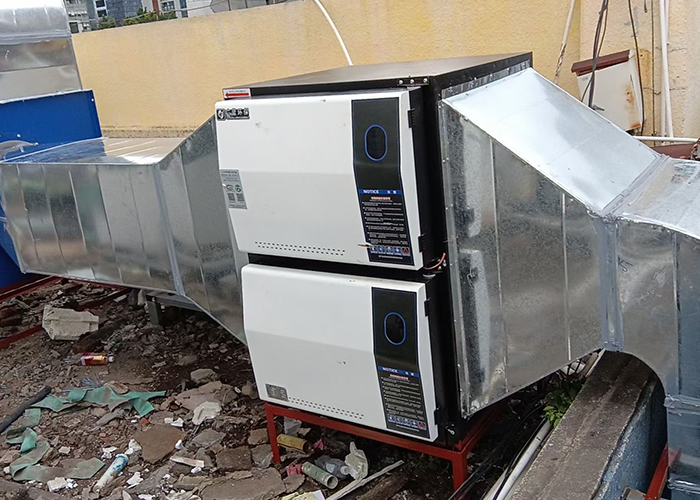
Water leakage in oil fume purifiers is rarely caused by internal malfunctions but often stems from environmental or installation factors. The most frequent culprit is condensation, which occurs when hot, greasy air meets cooler surfaces inside the purifier. This moisture can accumulate and drip if not properly drained. Another common reason is improper installation angle—if the unit isn’t tilted slightly backward, water may pool and overflow. Damaged or wornout components, such as drainage tubes or seals, can also lead to leaks, especially in older models. Lastly, high humidity environments exacerbate condensation, making the issue more prevalent in coastal or rainy regions.
To diagnose the problem, start by inspecting the purifier’s exterior for visible condensation. Check the installation angle with a level tool; a 2–5° backward tilt is ideal. Examine drainage tubes for cracks or blockages, and replace any degraded seals. If the environment is humid, consider adding a dehumidifier nearby to reduce moisture buildup.
How to Fix Water Leakage StepbyStep
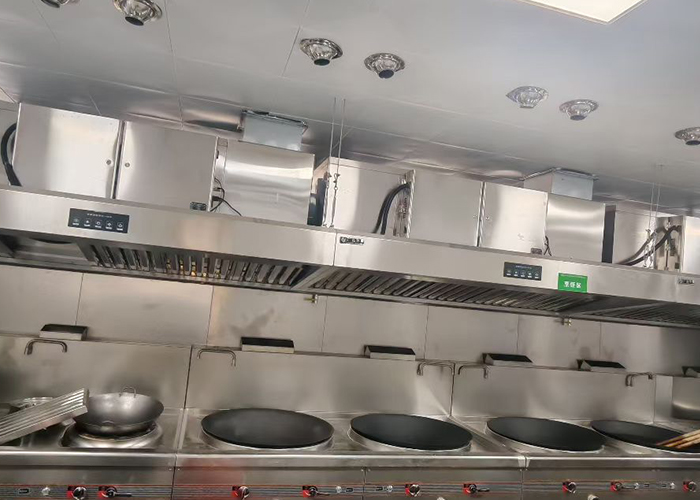
Resolving water leakage requires a systematic approach:
- Adjust the installation angle: Use shims to tilt the purifier backward by 2–5°. This ensures gravity directs condensation toward the drainage system.
- Clear drainage pathways: Disconnect the drainage tube and flush it with warm water to remove grease or debris. Replace the tube if it’s cracked or kinked.
- Inspect and replace seals: Check the purifier’s gaskets and seals for wear. Apply foodgrade silicone grease to rejuvenate them or install new seals if necessary.
- Improve ventilation: Ensure the kitchen has adequate airflow to reduce humidity. Install exhaust fans or open windows during cooking to minimize condensation.
- Overtightening seals: This can warp components and create new gaps for water to escape.
- Using incorrect drainage tubes
- Ignoring humidity control: Relying solely on the purifier’s drainage system without addressing environmental moisture leads to recurring issues.
- Corroded internal components
- Misaligned baffle plates
- Incompatible purifier models for your kitchen’s humidity levels
If these steps don’t resolve the issue, the purifier’s internal baffles or cooling coils may be damaged. In this case, consult a professional manufacturer like Guanglan Environmental Protection for component replacement or system upgrades.
Avoid These Mistakes When Addressing Leaks
Many users inadvertently worsen leaks by making critical errors:
Nonfoodgrade tubes may degrade quickly or leach chemicals into condensate.
To avoid these pitfalls, use manufacturerrecommended parts and prioritize humidity management. Regular maintenance, such as cleaning the purifier monthly and inspecting seals quarterly, can prevent leaks before they start.
When to Contact a Professional Manufacturer
If DIY fixes fail, it’s time to call a specialist. Persistent leaks may indicate deeper issues like:
Guanglan Environmental Protection specializes in diagnosing and resolving such complex cases. Their technicians use advanced tools to identify leaks’ root causes and offer customized solutions, such as upgrading to humidityresistant models or installing auxiliary drainage systems.
About Water Leakage in Oil Fume Purifiers: Common Questions
Question: Can a clogged filter cause water leakage?Answer: No, clogged filters reduce airflow but don’t directly cause leaks. However, reduced efficiency may increase condensation, indirectly worsening the issue. Clean or replace filters regularly to maintain optimal performance.
Question: How often should I inspect my purifier for leaks?Answer: Check monthly for visible condensation or dampness around the unit. Perform a thorough inspection every six months, including testing the installation angle and examining drainage tubes.
Question: Are all oil fume purifiers prone to leaking?Answer: No, modern models with proper installation and maintenance rarely leak. Units designed for highhumidity environments, like Guanglan’s anticondensation series, include features such as heated drainage tubes to prevent moisture buildup.
Choose Guanglan Environmental Protection for Reliable Solutions
Water leakage in oil fume purifiers is manageable with the right approach. Start by adjusting installation angles, clearing drainage paths, and controlling humidity. For persistent issues, trust Guanglan Environmental Protection’s expertise. Their technicians offer onsite evaluations, component replacements, and system upgrades tailored to your kitchen’s needs. With a focus on durability and efficiency, Guanglan’s purifiers minimize leakage risks while ensuring compliance with European safety standards.
If you’re struggling with water leakage, contact Guanglan Environmental Protection today for a free consultation. Their team will guide you through troubleshooting steps or recommend a purifier model designed to thrive in your environment.
 Related tags:
Recommend
How Do Industrial Oil Fume Purifiers Work?
Oil Fume Purifier Checklist: Equipment and Documents
3 kW Low-Level Oil Fume Purifiers: Specifications and Fit
Which Kitchens Need Oil Fume Purifiers?
Drawer-Style Oil Fume Purifiers: Access and Cleaning
Industrial Oil Fume Purifiers: Processes and Selection
Oil Fume Purifier Installation Height: What to Consider
Low-Level Oil Fume Purifiers for Metro Restaurants
Removing an Oil Fume Purifier Filter: Service Guide
Do Home Kitchen Exhaust Outlet Air Cleaners Work?
Contact Us
National hotline
139-2378-3494
Company:Shenzhen Guanglan Environmental Protection Technology Co., Ltd
Address:101, Zone B, Houting Third Industrial Zone, Shajing Street, Bao'an District, Shenzhen City, Guangdong Province
Hot News
- Oil Fume Purifier Installation Height: What to Consider
- Why Is an Oil Fume Purifier Leaking Water?
- Oil Fume Purifier Airflow Loss: Pressure Drop Explained
- Low-Level Discharge Oil Fume Purifier Installation
- Wet Oil Fume Purifiers: Types and Applications
- All-in-One Hood and Oil Fume Purification Equipment
- Oil Fume Purifier Repair Shops: Finding Qualified Service
- BBQ Oil Fume Purifier Costs: Purchase and Upkeep
- Removing an Oil Fume Purifier Filter: Service Guide
- BBQ Oil Fume Purifier Carts: Design and Selection

 HOME
 Product
 Case
 Contact