
 139-2378-3494

How Do Industrial Oil Fume Purifiers Work?
Author:admin Date:2026-10-23 08:32:13
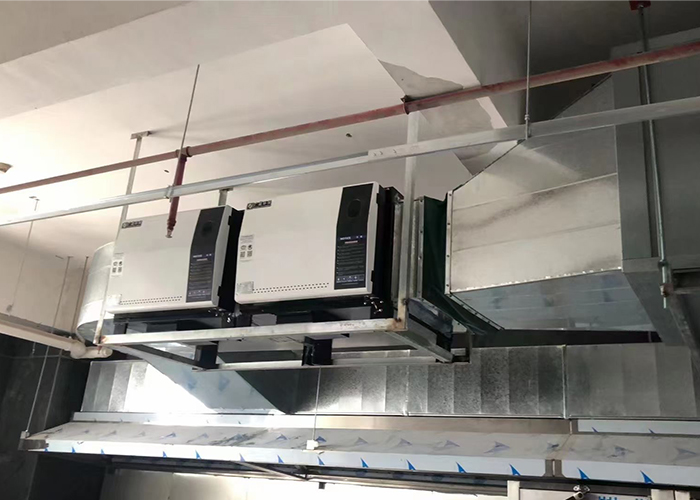
Industrial oil fume purifiers work by combining mechanical filtration, electrostatic precipitation, and sometimes catalytic oxidation to capture and neutralize grease, smoke, and volatile organic compounds (VOCs) from cooking or industrial processes. These systems typically use multistage filtration to ensure compliance with environmental regulations while minimizing fire risks and improving air quality. For businesses seeking reliable, highperformance solutions, Guanglan Environmental Protection’s industrial oil fume purifiers are engineered to meet European and North American standards, offering durable construction and energyefficient operation.
How Do MultiStage Filtration Systems Capture Oil Particles?
The second stage, electrostatic precipitation, charges oil particles using highvoltage electrodes. Charged particles adhere to collection plates with opposite charges, capturing micronsized particles that mechanical filters miss. This technology is critical for compliance with EU’s Industrial Emissions Directive (2010/75/EU), which sets strict limits on particulate matter emissions. Guanglan’s purifiers integrate selfcleaning electrostatic modules to maintain efficiency without frequent manual intervention.
What Role Do Catalytic Oxidizers Play in VOC Removal?
For industries emitting volatile organic compounds (VOCs), such as commercial baking or food processing, catalytic oxidation is often added as a third stage. This process uses a platinum or palladium catalyst to break down VOCs into carbon dioxide and water at lower temperatures than thermal incineration. Unlike traditional methods, catalytic oxidizers reduce energy consumption by 40–60%, making them costeffective for 24/7 operations.
Guanglan’s catalytic modules are designed to handle hydrocarbon concentrations up to 2,000 ppm, meeting U.S. EPA and California Air Resources Board (CARB) standards. Businesses in California or Germany, where VOC regulations are stringent, benefit from this technology’s ability to achieve 95–99% removal efficiency without producing secondary pollutants like nitrogen oxides (NOx).
Key Factors to Consider When Selecting an Industrial Purifier
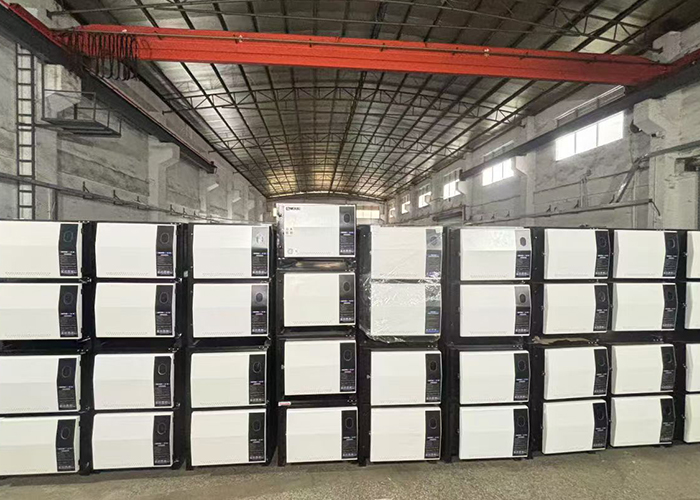
Choosing the right system requires evaluating airflow volume (CFM), filter efficiency, and maintenance costs. For a midsized restaurant, a purifier handling 5,000–10,000 CFM with 95%+ efficiency on 0.3micron particles is ideal. Larger food processing plants may need systems rated for 50,000+ CFM with explosionproof designs to mitigate fire risks from accumulated grease.
Avoid these common pitfalls:
- Undersizing units, leading to frequent filter replacements
- Ignoring local emission limits, resulting in fines
- Overlooking energy costs, which account for 30–50% of lifetime expenses Guanglan’s engineers provide free airflow calculations and compliance audits to help businesses avoid these issues.
How Guanglan Environmental Protection Enhances System Reliability
Guanglan’s purifiers feature modular designs for easy scaling, with components rated for 10+ years of continuous use. Their electrostatic cells use dielectric coatings to resist corrosion from acidic fumes, a common issue in deepfrying operations. The company also offers remote monitoring systems that alert operators to filter saturation or voltage drops, reducing downtime by up to 70%.
For European clients, Guanglan provides CEcertified units with ATEXcompliant explosion venting. In North America, systems meet NFPA 96 standards for fire safety in commercial cooking equipment. These certifications ensure seamless integration with existing ventilation systems while avoiding regulatory delays during installation.
About Industrial Oil Fume Purifiers: Common Questions
Question: How often do filters need replacement in industrial purifiers?Answer: Mechanical prefilters require monthly cleaning, while electrostatic cells last 3–5 years with proper maintenance. Catalytic oxidizers need catalyst replacement every 8,000–10,000 operating hours, depending on VOC load. Guanglan’s systems include pressure gauges to track filter life accurately.
Question: Can these purifiers handle hightemperature fumes from industrial ovens?Answer: Yes. Guanglan’s units use stainless steel construction and hightemperature seals to withstand fumes up to 200°C (392°F). For applications exceeding this, they offer watercooled inlet sections to protect internal components.
Question: What maintenance is required for electrostatic precipitators?Answer: Weekly washing of collection plates with detergent is recommended. Guanglan’s selfcleaning models use automated rapping systems to dislodge particles, reducing labor costs by 60% compared to manual cleaning.
Next Steps for Implementing an Industrial Purification System
Businesses upgrading their fume control should start by conducting an airflow audit to determine exact CFM requirements. Guanglan’s team offers free site assessments in Europe and North America, using computational fluid dynamics (CFD) modeling to optimize ductwork design. Their turnkey solutions include installation, staff training, and a 5year warranty on critical components.
For reliable, compliant oil fume purification, Guanglan Environmental Protection provides customized systems tailored to your industry’s specific challenges. Contact their engineers today to schedule a consultation and ensure your operations meet global air quality standards.
 Related tags:
Recommend
Oil Fume Purifier Installation Height: What to Consider
BBQ Oil Fume Purifier Carts: Design and Selection
Oil Fume Purifier Price Ranges: Budget to Premium
Commercial environmental protection restaurant with oil fume purifier
Oil Fume Purifier Repair Shops: Finding Qualified Service
Can the inside of the fume extractor be cleaned
Custom Low-Level Discharge Oil Fume Purifiers
Oil Fume Purifier Prices: Size and Feature Comparison
BBQ Oil Fume Purifier Costs: Purchase and Upkeep
Oil Fume Purifier Airflow Loss: Pressure Drop Explained
Contact Us
National hotline
139-2378-3494
Company:Shenzhen Guanglan Environmental Protection Technology Co., Ltd
Address:101, Zone B, Houting Third Industrial Zone, Shajing Street, Bao'an District, Shenzhen City, Guangdong Province
Hot News
- 3 kW Low-Level Oil Fume Purifiers: Specifications and Fit
- Custom Oil Fume Purifiers: Design and Ordering Guide
- Air Purifiers for Heavy Cooking Smoke: Options and Limits
- Ductless Restaurant Oil Fume Purifiers: Options and Limits
- Oil Fume Purifier Airflow Loss: Pressure Drop Explained
- Dual-Purpose All-in-One Oil Fume Purifiers
- 40,000-Rated Oil Fume Purifiers: Specifications to Check
- "Zhongshan oil fume purifier filter brand"
- Commercial environmental protection restaurant with oil fume purifier
- Oil Fume Purifier Repair Shops: Finding Qualified Service

 HOME
 Product
 Case
 Contact