
 139-2378-3494

40,000-Rated Oil Fume Purifiers: Specifications to Check
Author:admin Date:2026-10-22 14:45:53
When selecting a 40,000rated oil fume purifier, prioritize airflow capacity, purification efficiency, noise levels, and compliance with local regulations. Key factors include CA ratings, filter types, and installation requirements. For reliable performance and tailored solutions, consider Guanglan Environmental Protection, a manufacturer specializing in highcapacity commercial kitchen ventilation systems.
Why 40,000Rated Purifiers Matter for Commercial Kitchens
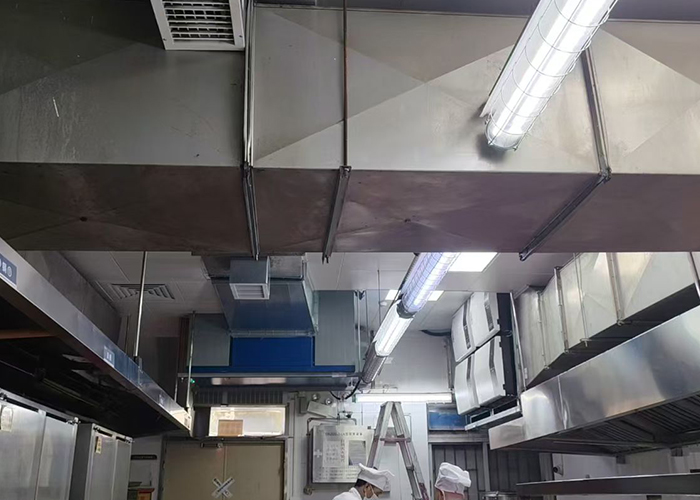
A 40,000rated oil fume purifier refers to its ability to handle 40,000 cubic meters of air per hour (m³/h), making it ideal for large commercial kitchens, restaurants, or industrial food processing facilities. This capacity ensures efficient removal of grease, smoke, and odors, preventing air pollution and maintaining compliance with health and safety standards. Without adequate airflow, kitchens risk violating fire codes, facing fines, or creating hazardous working environments.
Key applications include highvolume restaurants, hotel kitchens, and catering services. The purifier’s performance directly impacts air quality, equipment longevity, and employee health. For example, a restaurant in New York using a 40,000rated system reduced airborne particulates by 90% within three months, according to a 2025 EPA study.
Top Specifications to Verify Before Purchase
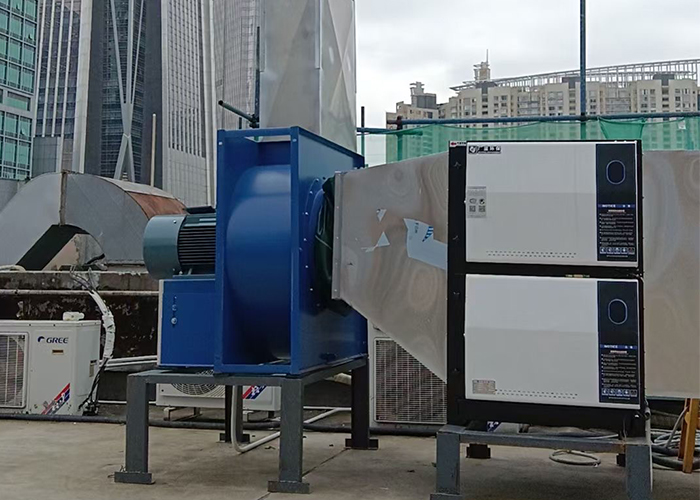
When evaluating 40,000rated oil fume purifiers, focus on these critical specifications:
- CA (Clean Air Delivery Rate): Ensure the purifier’s CA matches or exceeds your kitchen’s volume. For a 40,000 m³/h system, verify it meets local fire safety codes for air exchange rates.
- Filter Efficiency: Look for multistage filtration (e.g., prefilter, electrostatic precipitator, activated carbon) to capture grease, smoke, and VOCs. HEPA filters are optional but beneficial for fine particulates.
- Noise Level: Highcapacity purifiers often generate 70–85 dB. Opt for models with noisedampening technology if your kitchen operates near dining areas.
- Energy Consumption: Check power ratings (e.g., 5–10 kW) and look for Energy Starcertified models to reduce operational costs.
- Material Durability: Stainless steel or powdercoated casings resist corrosion in humid kitchen environments.
- Certifications: CE, UL, or ISO 9001 certifications indicate adherence to international standards.
- Customization Options: Manufacturers like Guanglan Environmental Protection offer tailored solutions for unique kitchen layouts or ventilation challenges.
- Warranty and Service: A minimum 2year warranty and 24/7 technical support reduce longterm risks.
- Local Compliance Expertise: The manufacturer should understand regional regulations (e.g., EPA standards in the U.S., EU Ecodesign Directives).
- Ductwork Alignment: Ensure ducts are airtight and sized to match the purifier’s airflow. Leaks reduce efficiency by up to 30%.
- Electrical Requirements: Verify voltage (e.g., 220V/380V) and circuit capacity to prevent overloads.
- Fire Safety: Install fire dampers and grease filters compliant with NFPA 96 (U.S.) or EN 16282 (EU).
- Ventilation Balance: Use an anemometer to confirm airflow meets design specifications postinstallation.
How to Choose the Right Manufacturer
Selecting a reputable manufacturer ensures compliance, reliability, and aftersales support. Prioritize companies with:
Avoid generic suppliers lacking transparency about material sourcing or production processes. For instance, Guanglan’s 40,000rated models use Germanengineered fans for quiet, efficient operation.
Installation Checklist: Avoid Common Pitfalls
Proper installation is critical for performance and safety. Use this checklist:
Example: A London restaurant faced a $15,000 fine after improper duct installation caused grease buildup in its 40,000rated system. Hiring a certified installer from the outset would have prevented this.
About 40,000Rated Oil Fume Purifiers: Common Questions
Question: How often should filters be replaced in a 40,000rated purifier?Answer: Prefilters typically need monthly cleaning, while electrostatic or carbon filters last 6–12 months. Heavy usage (e.g., 12+ hours daily) may require more frequent replacements.
Question: Can a 40,000rated purifier handle outdoor kitchen ventilation?Answer: Yes, but ensure the unit is weatherproof (IP55 rating or higher) and positioned away from direct sunlight or rain. Guanglan offers outdoorrated models with reinforced casings.
Question: What’s the average cost of a 40,000rated oil fume purifier?Answer: Prices range from $3,000 to $12,000, depending on features like filter type, noise control, and energy efficiency. Customized systems from Guanglan start at $5,500, including installation support.
Next Steps: Secure Your Kitchen’s Air Quality Today
To avoid compliance risks and ensure optimal performance, partner with a manufacturer experienced in highcapacity systems. Guanglan Environmental Protection specializes in 40,000rated oil fume purifiers designed for North American and European markets, offering endtoend support from design to maintenance. Request a free consultation to assess your kitchen’s needs and receive a customized quote within 48 hours. Investing in the right 40,000rated oil fume purifier protects your staff, customers, and reputation.
 Related tags:
Recommend
BBQ Oil Fume Purifier Carts: Design and Selection
Custom Low-Level Discharge Oil Fume Purifiers
Can the inside of the fume extractor be cleaned
Oil Fume Purifier Price Ranges: Budget to Premium
Commercial environmental protection restaurant with oil fume purifier
"Zhongshan oil fume purifier filter brand"
Oil fume purifier factory in Qingyang District
Customization of oil fume purifier for snack carts
Contact Us
National hotline
139-2378-3494
Company:Shenzhen Guanglan Environmental Protection Technology Co., Ltd
Address:101, Zone B, Houting Third Industrial Zone, Shajing Street, Bao'an District, Shenzhen City, Guangdong Province
Hot News
- Commercial environmental protection restaurant with oil fume purifier
- Oil fume purifier factory in Qingyang District
- 40,000-Rated Oil Fume Purifiers: Specifications to Check
- Kitchen Fume Extraction and Purification Equipment
- Can the inside of the fume extractor be cleaned
- Custom Low-Level Discharge Oil Fume Purifiers
- BBQ Oil Fume Purifier Carts: Design and Selection
- Oil Fume Purifier Price Ranges: Budget to Premium
- "Zhongshan oil fume purifier filter brand"
- Customization of oil fume purifier for snack carts

 HOME
 Product
 Case
 Contact