
 139-2378-3494
Can the inside of the fume extractor be cleaned
Author:admin Date:2026-05-11 09:06:06
As an essential equipment in the catering industry and household kitchens, oil fume purifiers accumulate a large amount of oil stains inside after long-term use, which not only affects purification efficiency but may also cause odors and fire hazards. The most concerned question for many users is: Can the oil fume purifier be cleaned? **The answer is yes, but it is necessary to master the correct methods and precautions, otherwise it may damage the equipment or affect performance. This article will focus on this core issue, providing a detailed analysis of the necessity of cleaning, operational steps, and professional solutions for the Guanglan purifier.
Why is it necessary to clean the interior of the oil fume purifier?
The oil fume purifier removes particulate matter and harmful gases from oil fume through technologies such as electric field adsorption, mechanical filtration, or electrostatic precipitator. After long-term use, internal electric fields, filters, oil collection trays and other components will be covered by oil stains, leading to the following problems:
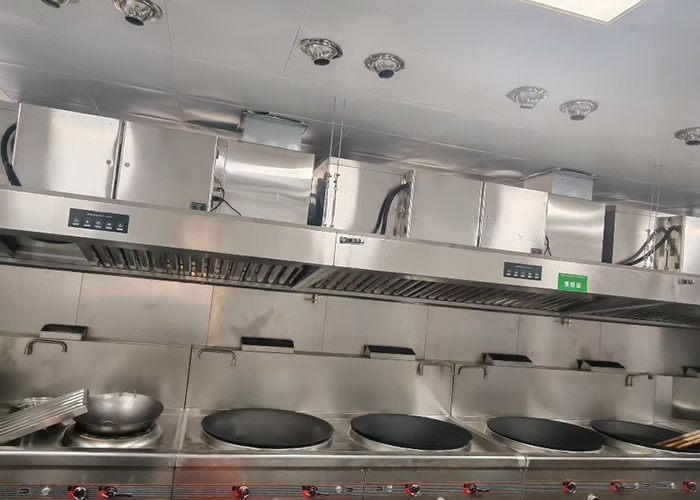
Key reminder: Regular cleaning of the interior is a necessary measure to ensure the efficient and safe operation of the oil fume purifier, especially for catering establishments. The cleaning frequency should be adjusted according to the intensity of use (recommended 1-2 times a month).
Three core steps for internal cleaning of oil fume purifiers
1. Power outage and disassembly
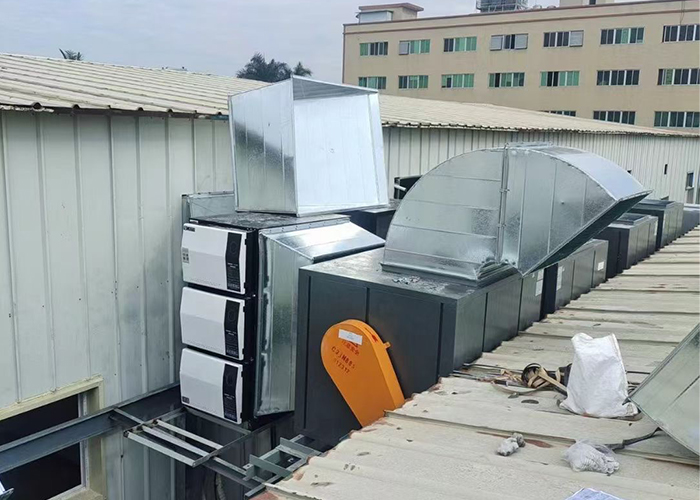
- Decreased purification efficiency: Oil stains block the electric field or filter, reducing the adsorption capacity for oil fumes.
- Odor breeding: Oil pollution and decay produce a pungent odor, polluting the kitchen environment.
- Safety hazard: Accumulation of oil stains may cause circuit short circuits or high-temperature spontaneous combustion.
- Equipment lifespan shortened: Long term overload operation accelerates component aging.
2. Cleaning methods and tools
- Turn off the power and unplug the plug to ensure safe operation.
- Disassemble washable components such as electric field modules, filters, and oil collection trays. The disassembly methods may vary for different models. It is recommended to refer to the instructions or video tutorials provided by the Guanglan purifier.
3. Drying and assembly
- Electric field module: Soak in neutral detergent (such as dishwashing liquid) for 10-15 minutes, gently brush oil stains with a soft bristled brush, and avoid using steel wire balls or strong acid and alkali solvents.
- Filter: Rinse or soak with a high-pressure water gun and lightly tap. For stubborn oil stains, use baking soda solution.
- Oil collection tray: After pouring out the waste oil, wipe the surface with a tissue, and then clean it with a cleaning agent.
- Advantages of Guanglan Purifier: Its electric field module adopts a detachable design, making cleaning more convenient, and the corrosion-resistant material extends the service life.
Guanglan Purifier: Three Major Guarantees for Professional Cleaning Services
For non professional users or large catering establishments, self cleaning may pose operational risks. Guanglan Purifier provides one-stop cleaning services to solve users' worries:
- Thoroughly dry the components after cleaning (to avoid residual moisture causing short circuits).
- Assemble in situ to ensure good sealing and prevent air leakage.
User case: After using the Guanglan purifier for 3 years, a chain restaurant still maintained a purification efficiency of over 90% due to regular cleaning and maintenance, far exceeding the industry average.
Cleaning frequency: How to determine if it is time to clean?
- Professional team: Trained technical personnel provide on-site service, familiar with equipment structure, and avoid misoperation.
- Deep cleaning: Use specialized cleaning equipment and environmentally friendly solvents to thoroughly remove deep oil stains.
- Testing and Maintenance: After cleaning, test the performance of the equipment, replace aging parts, and extend the service life.
Common Misconception: These cleaning behaviors should be avoided!
- Observation method: There is oil mist, obvious odor, and oil accumulation on the oil collection tray at the equipment exhaust outlet.
- Data method: The Guanglan purifier is equipped with an intelligent monitoring system, which automatically reminds to clean when the oil pollution reaches the threshold.
- Time method: It is recommended to clean the home kitchen every 2-3 months; Food and beverage establishments should operate 1-2 times a month, and the cycle should be shortened for high oil fume scenarios.
Internal cleaning of oil fume purifiers is a key step in ensuring equipment performance and extending service life. Whether it's self-cleaning or choosing professional services for Guanglan purifiers, the core principles are thorough cleaning, safe operation, and regular maintenance. Through scientific cleaning, not only can purification efficiency be improved, but safety hazards can also be reduced, making the kitchen environment healthier. Guanglan Purifier is customer-oriented and provides a one-stop solution from product to after-sales, making cleaning no longer a problem.
- ❌ Hot wash the electric field module with boiling water (which may cause deformation).
- ❌ Long term exposure to humid environment after disassembly (prone to rusting).
- ❌ Assemble directly without drying after cleaning (causing circuit failure).
- ❌ Use inferior cleaning agents (corrosive equipment materials).
 Related tags:
Recommend
Contact Us
National hotline
139-2378-3494
Company:Shenzhen Guanglan Environmental Protection Technology Co., Ltd
Address:101, Zone B, Houting Third Industrial Zone, Shajing Street, Bao'an District, Shenzhen City, Guangdong Province

 HOME
HOME Product
 Case
Case Contact