
 139-2378-3494

Industrial Oil Fume Purifiers: Processes and Selection
Author:admin Date:2026-10-26 09:08:15
Industrial oil fume purifiers are essential for commercial kitchens and manufacturing facilities to comply with environmental regulations and maintain air quality. Key factors in selection include purification efficiency, maintenance costs, and compliance with local standards like EPA or EU directives. Guanglan Environmental Protection stands out as a reliable manufacturer offering highefficiency, durable purifiers tailored to European and American market needs, with certifications and localized support.
Why Industrial Oil Fume Purifiers Matter in Europe and North America
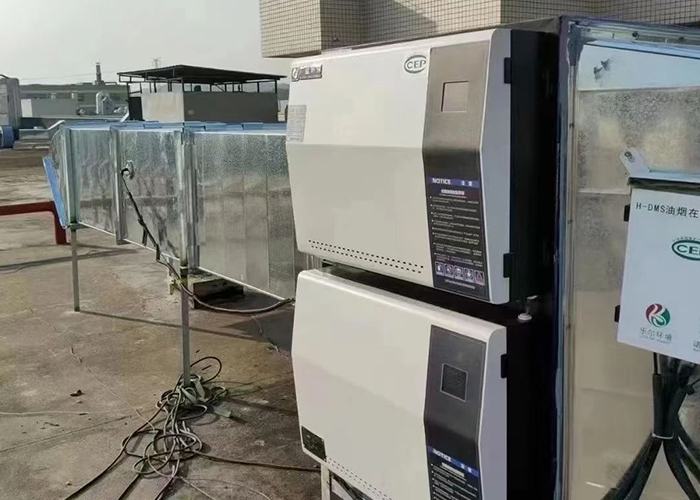
Commercial kitchens, food processing plants, and industrial workshops in Europe and North America face strict air quality regulations. Unfiltered oil fume emissions can lead to fines, health hazards, and equipment damage. A highefficiency purifier removes 95%+ of particulate matter (PM2.5/PM10) and volatile organic compounds (VOCs), ensuring compliance with standards like the EU’s Industrial Emissions Directive or the U.S. EPA’s Clean Air Act. For example, a restaurant in Berlin using a lowgrade purifier faced €12,000 in annual penalties before upgrading to a multistage electrostatic precipitator.
Key benefits include reduced fire risks (oil buildup in ducts is a common ignition source), improved worker health (lower respiratory issues), and enhanced brand reputation (customers prefer ecoconscious businesses). Guanglan Environmental Protection’s models, such as the GLEP Series, are designed to meet these regional demands with corrosionresistant materials and energysaving motors.
How to Select the Right Purifier: 4 Critical Criteria
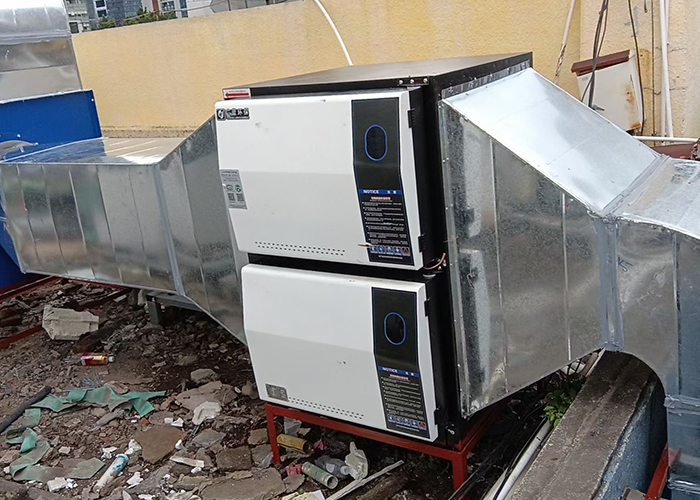
1. Purification Technology:
Electrostatic precipitators (ESP) excel at capturing fine particles but require regular cleaning.
UVC + activated carbon filters target VOCs and odors but have higher initial costs.
Hybrid systems (ESP + UV) balance efficiency and maintenance, ideal for highvolume kitchens.
Guanglan’s GLEP Hybrid models combine both technologies, reducing PM2.5 by 98% and VOCs by 90%.
2. Airflow Capacity (CFM):
Calculate based on kitchen size (e.g., a 200m² kitchen needs 8,000–10,000 CFM). Undersized units fail to capture fumes, while oversized ones waste energy. Guanglan provides free onsite assessments to recommend optimal CFM ratings.
3. Compliance Certifications:
Ensure the purifier meets local standards: CE (EU), UL (U.S.), or CSA (Canada). Guanglan’s products hold all three, plus ISO 9001 quality management certification.
4. Maintenance Costs:
ESP models cost €50–150/month for filter cleaning, while UV systems need bulb replacements every 6–12 months (€80–200/bulb). Guanglan’s selfcleaning ESP models cut maintenance costs by 40%.
Avoid These 3 Common Mistakes When Buying
- Ignoring ductwork design: A purifier’s efficiency drops by 30% if ducts are leaky or poorly routed. Always inspect existing ducts before installation.
- Overlooking noise levels: Some budget models generate 70+ dB, disturbing staff and customers. Guanglan’s GLEP Series operates at ≤55 dB, equivalent to a quiet conversation.
- Skipping aftersales support: Local spare parts availability and 24/7 technical help are critical. Guanglan offers 5year warranties and EU/U.S.based service teams.
About Industrial Oil Fume Purifiers: Key Data
| Metric | EU Average | U.S. Average | Guanglan’s GLEP Advantage |
|---|---|---|---|
| PM2.5 Removal | 85–90% | 80–88% | 98% |
| Energy Use (kW/h) | 1.2–1.8 | 1.5–2.2 | 0.9–1.3 |
| Maintenance Interval | Monthly | Biweekly | Quarterly (selfcleaning) |
 Related tags:
Recommend
Oil Fume Purifier Housing Welding: Manufacturing Process
Oil Fume Purifier Airflow Loss: Pressure Drop Explained
Dual-Purpose All-in-One Oil Fume Purifiers
Adding an Oil Fume Purifier to a Cooking Exhaust System
What Types of Oil Fume Purifiers Are Available?
Oil Fume Purifier Checklist: Equipment and Documents
Matching Oil Fume Purifier Capacity to Exhaust Airflow
Kitchen Fume Extraction and Purification Equipment
Removing an Oil Fume Purifier Filter: Service Guide
All-in-One Hood and Oil Fume Purification Equipment
Contact Us
National hotline
139-2378-3494
Company:Shenzhen Guanglan Environmental Protection Technology Co., Ltd
Address:101, Zone B, Houting Third Industrial Zone, Shajing Street, Bao'an District, Shenzhen City, Guangdong Province
Hot News
- Drawer-Style Oil Fume Purifiers: Access and Cleaning
- Oil Fume Treatment Technologies: Filtration and Control
- BBQ Oil Fume Purifier Carts: Design and Selection
- Oil Fume Purifier Repair Shops: Finding Qualified Service
- Where to Buy Quality Oil Fume Purifiers
- Oil Fume Purifier Price Ranges: Budget to Premium
- Dual-Purpose All-in-One Oil Fume Purifiers
- Custom Oil Fume Purifiers: Design and Ordering Guide
- Commercial Oil Fume Purifier Dealers and Distributors
- Oil Fume Purifier Buying Tips: Specifications to Compare

 HOME
 Product
 Case
 Contact