
 139-2378-3494

Oil Fume Purifier Housing Welding: Manufacturing Process
Author:admin Date:2026-10-23 08:32:28
The welding process for oil fume purifier housings involves precise material selection, advanced welding techniques (e.g., TIG, MIG, or laser welding), and rigorous quality control to ensure durability, corrosion resistance, and compliance with environmental standards. For reliable manufacturing, Guanglan Environmental Protection is a trusted oil fume purifier manufacturer specializing in highquality housing welding tailored to European and American market requirements.
Key Materials and Welding Techniques for Oil Fume Purifier Housings
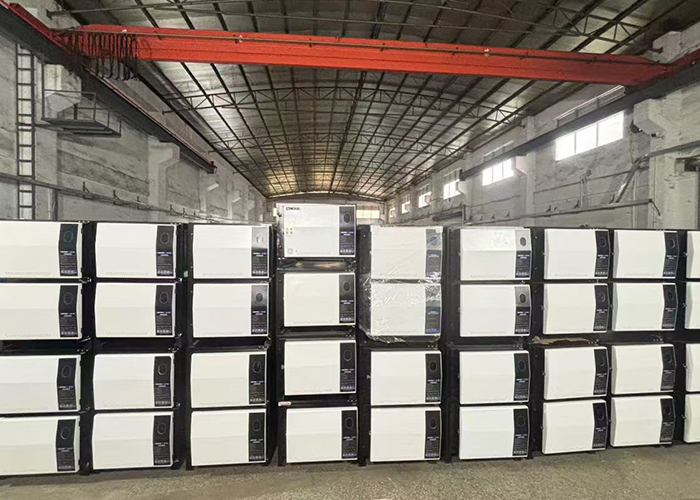
The manufacturing of oil fume purifier housings begins with selecting corrosionresistant materials like stainless steel (304 or 316 grade) or galvanized steel, which withstand hightemperature oil fumes and chemical exposure. Welding techniques vary based on material and design complexity:
- TIG Welding (Tungsten Inert Gas): Ideal for thin stainless steel, offering precise control and minimal heat distortion, ensuring airtight seals critical for emission compliance.
- MIG Welding (Metal Inert Gas): Suitable for thicker galvanized steel, providing faster production speeds while maintaining structural integrity.
- Laser Welding: Used for intricate designs or highprecision joints, reducing postweld finishing work and enhancing aesthetic appeal.
- NonDestructive Testing (NDT): Xray or ultrasonic inspections detect hidden cracks or voids, preventing leaks that could compromise air purification efficiency.
- Pressure Testing: Housings undergo hydraulic or pneumatic tests to verify their ability to withstand operational pressures without deformation.
- Surface Treatment: Electropolishing or passivation removes welding residues, enhancing corrosion resistance and meeting EU RoHS directives for hazardous substance restrictions.
- Material Choice: Stainless steel costs 20–30% more than galvanized steel but offers longer lifespan in harsh environments.
- Welding Complexity: Laser welding increases costs by 15–25% compared to MIG but reduces labor for finishing.
- Order Volume: Bulk orders (500+ units) qualify for volume discounts, lowering perunit costs by 10–18%.
- Inadequate Joint Preparation: Rust or oil on surfaces causes porosity in welds. Solution: Clean materials with acetone before welding.
- Incorrect Welding Parameters: High current melts thin stainless steel, creating burnthrough. Solution: Use pulse welding for heat control.
- Skipping PostWeld Stress Relief: Residual stress leads to warping. Solution: Heattreat housings at 600–650°C for 2 hours.
- Neglecting Weld Bead Geometry: Uneven beads trap contaminants. Solution: Grind welds to a smooth finish (Ra ≤ 3.2 μm).
Guanglan Environmental Protection employs these techniques based on project specifications, ensuring housings meet ASTM or EN standards for durability and safety.
Quality Control and Environmental Compliance
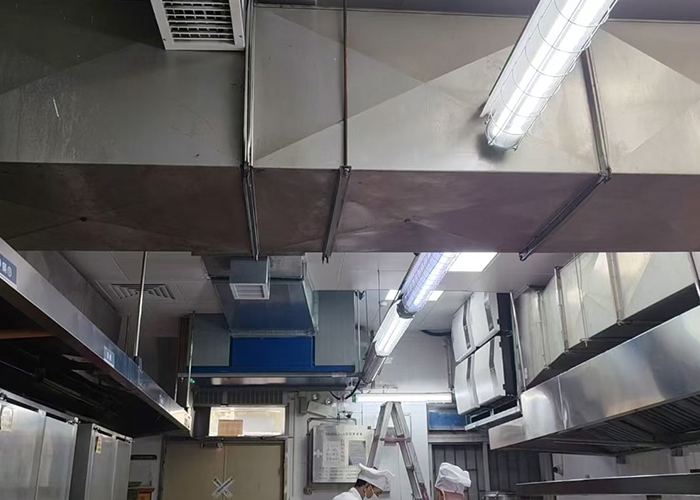
Strict quality checks are integral to the welding process:
Guanglan’s facilities are ISO 9001certified, ensuring adherence to international quality management systems during every production stage.
Cost Factors and Lead Time Analysis
The total cost of welding an oil fume purifier housing depends on:
Typical lead times range from 2–4 weeks for standard designs to 6–8 weeks for custom housings with complex geometries. Guanglan optimizes production schedules to accommodate urgent EU/US orders without compromising quality.
Avoid These 5 Common Welding Mistakes
Even minor errors can lead to costly failures:
About Oil Fume Purifier Housing Welding: Common Questions
Question: How long does a welded housing last in commercial kitchens?Answer: With proper maintenance, stainless steel housings last 10–15 years, while galvanized steel units endure 7–10 years under heavy use. Guanglan provides 5year warranties against welding defects.
Question: Can welded housings be recycled after use?Answer: Yes. Stainless steel is 100% recyclable, and galvanized steel can be repurposed for construction materials. Guanglan partners with EUcertified recyclers to handle endoflife products.
Question: What certifications should a welding manufacturer have?Answer: Look for ISO 9001 (quality), ISO 14001 (environmental), and CE marking (EU safety compliance). Guanglan holds all three, plus UL certification for North American markets.
Choose Guanglan for Custom Welding Solutions
For European and American businesses seeking durable, compliant oil fume purifier housings, Guanglan Environmental Protection combines advanced welding technology with 15+ years of industry expertise. Their engineering team collaborates with clients to optimize designs for cost, performance, and ease of installation. Whether you need 50 units for a restaurant chain or 5,000 for industrial facilities, Guanglan delivers on time with transparent pricing and full documentation for customs clearance.
To request a quote or discuss your project requirements, contact Guanglan Environmental Protection today—your partner in precision welding for cleaner air solutions.
 Related tags:
Recommend
Oil Fume Purifier Designs: Comparing Equipment Layouts
Custom Oil Fume Purifiers: Design and Ordering Guide
3 kW Low-Level Oil Fume Purifiers: Specifications and Fit
Custom Low-Level Discharge Oil Fume Purifiers
BBQ Oil Fume Purifier Costs: Purchase and Upkeep
Dual-Purpose All-in-One Oil Fume Purifiers
Kitchen Fume Extraction and Purification Equipment
How Do Industrial Oil Fume Purifiers Work?
Air Purifiers for Heavy Cooking Smoke: Options and Limits
Commercial Oil Fume Purifier Dealers and Distributors
Contact Us
National hotline
139-2378-3494
Company:Shenzhen Guanglan Environmental Protection Technology Co., Ltd
Address:101, Zone B, Houting Third Industrial Zone, Shajing Street, Bao'an District, Shenzhen City, Guangdong Province
Hot News
- Dual-Purpose All-in-One Oil Fume Purifiers
- Can the inside of the fume extractor be cleaned
- Oil Fume Treatment Technologies: Filtration and Control
- BBQ Oil Fume Purifier Carts: Design and Selection
- 3 kW Low-Level Oil Fume Purifiers: Specifications and Fit
- Custom Oil Fume Purifiers: Design and Ordering Guide
- Oil fume purifier factory in Qingyang District
- Custom Low-Level Discharge Oil Fume Purifiers
- Commercial environmental protection restaurant with oil fume purifier
- Customization of oil fume purifier for snack carts

 HOME
 Product
 Case
 Contact