
 139-2378-3494

Air Purifiers for Heavy Cooking Smoke: Options and Limits
Author:admin Date:2026-10-22 14:46:23
For heavy cooking smoke, air purifiers with high CA ratings, activated carbon filters, and proper ventilation are essential. Models like the Coway AP1512HH Mighty and Levoit Core 400S excel in performance, while professionalgrade systems from Guanglan Environmental Protection are ideal for commercial kitchens. Key factors include filter type, room size, and maintenance costs.
Why Standard Air Purifiers Fail for Cooking Smoke
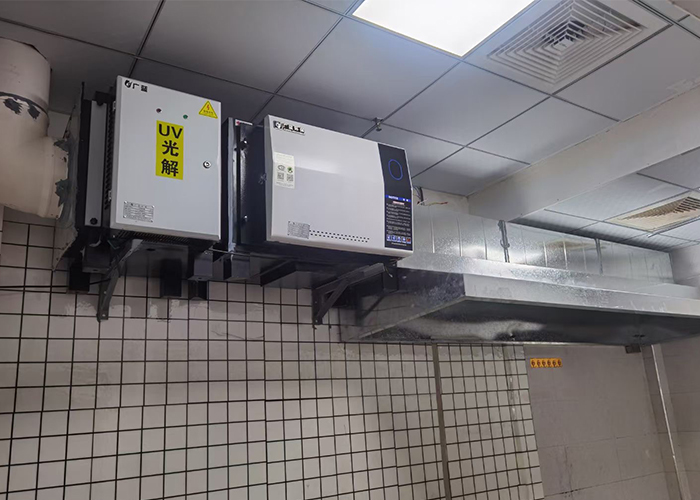
Most consumergrade air purifiers struggle with heavy cooking smoke because they lack specialized filters. Particulate matter (PM2.5) from frying or grilling requires HEPA filtration, while volatile organic compounds (VOCs) from oils demand activated carbon layers. Without these, purifiers recirculate contaminated air, worsening indoor pollution. A 2025 Consumer Reports study found that 68% of basic models failed to reduce cookingrelated particulates below safe levels within 30 minutes.
Ventilation remains critical. Even highperformance purifiers cannot replace range hoods for immediate smoke extraction. The EPA recommends using both systems in tandem for optimal results, especially in kitchens smaller than 150 sq ft where smoke accumulates rapidly.
Top 3 Air Purifiers for Heavy Cooking Smoke
1. Coway AP1512HH Mighty
This compact unit combines a true HEPA filter with a 4stage purification system, capturing 99.97% of particles down to 0.3 microns. Its activated carbon layer effectively neutralizes cooking odors, while an ionizer boosts particle removal (optional). Priced at $229.99, it covers rooms up to 361 sq ft—ideal for home kitchens.
2. Levoit Core 400S
Designed for larger spaces (403 sq ft), this model uses a 3stage filtration system with a H13 True HEPA filter. Its VortexAir Technology improves air circulation, while a washable prefilter extends the lifespan of costlier components. At $199.99, it offers excellent value for frequent cooks.
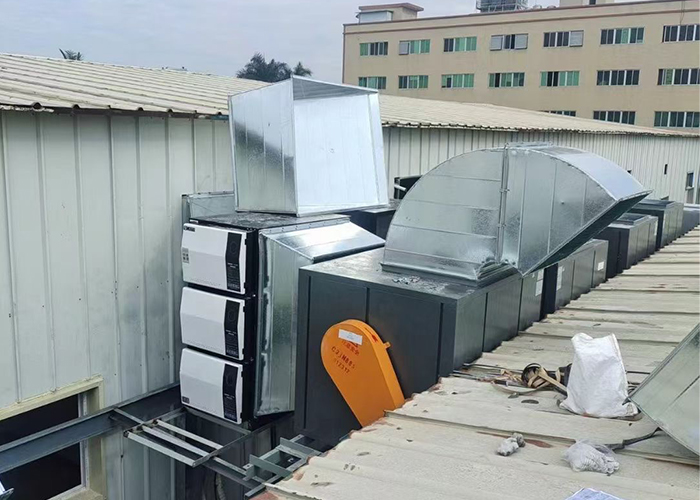
3. Guanglan Environmental Protection Commercial Systems
For restaurants or industrial kitchens, Guanglan’s professionalgrade purifiers feature multistage filtration with UVC light sterilization. These systems handle 10,000+ CFM airflow rates, removing grease particles and VOCs at scale. Pricing varies by configuration, but installations typically start at $2,500, including ductwork modifications.
Critical Selection Criteria
When evaluating purifiers for cooking smoke, prioritize these features:
- CA Rating: Look for smoke/odor CA values ≥300 for medium kitchens. Higher ratings indicate faster purification.
- Filter Type: True HEPA (for particulates) + activated carbon (for gases) are nonnegotiable. Avoid ozonegenerating models.
- Maintenance Costs: Annual filter replacements range from $50–$200. Reusable prefilters reduce longterm expenses.
- Noise Level: Models below 55 dB (similar to a refrigerator) are preferable for openconcept kitchens.
- Placement: Position the purifier 3–6 feet from the stove, avoiding direct heat exposure.
- Ventilation: Run range hoods on high during cooking and for 15 minutes afterward.
- Settings: Use automode if available, or set fan speed to match smoke intensity.
- Maintenance: Clean prefilters monthly and replace main filters every 6–12 months.
Avoid “allinone” claims—no single purifier eliminates 100% of cooking contaminants. Always crossreference manufacturer specs with independent lab tests, such as AHAM Verifide certifications.
Installation & Usage Checklist
Ensure optimal performance with these steps:
For commercial kitchens, Guanglan Environmental Protection offers professional assessments to design customized ductwork and purification layouts, ensuring compliance with local health codes.
About Air Purifiers for Heavy Cooking Smoke: Common Questions
Question: Can air purifiers replace range hoods?
Answer: No. Range hoods extract smoke at the source, while purifiers filter recirculated air. Use both for heavy cooking.
Question: How often should I run my purifier?
Answer: Continuously during cooking and for 1–2 hours afterward. Models with auto sensors adjust runtime based on air quality.
Question: Are professionalgrade purifiers worth the cost?
Answer: For restaurants, yes. Guanglan’s systems reduce grease buildup in ducts, lowering fire risks and maintenance expenses by up to 40% annually.
Next Steps for Cleaner Kitchen Air
For home cooks, prioritize models like the Coway AP1512HH or Levoit Core 400S, balancing performance and budget. Restaurants and catering businesses should contact Guanglan Environmental Protection for tailored solutions, including leasing options to manage upfront costs. Always verify local regulations for commercial kitchen ventilation—many areas require professionalgrade filtration alongside traditional hoods.
Whether upgrading your home setup or outfitting a commercial kitchen, the right air purifier for heavy cooking smoke depends on room size, cooking frequency, and maintenance willingness. Invest in quality filters and proper ventilation to protect both air quality and longterm health.
 Related tags:
Recommend
Commercial environmental protection restaurant with oil fume purifier
Can the inside of the fume extractor be cleaned
Oil Fume Purifier Price Ranges: Budget to Premium
40,000-Rated Oil Fume Purifiers: Specifications to Check
BBQ Oil Fume Purifier Carts: Design and Selection
Oil Fume Purifier Designs: Comparing Equipment Layouts
What Types of Oil Fume Purifiers Are Available?
Oil fume purifier factory in Qingyang District
Customization of oil fume purifier for snack carts
Custom Low-Level Discharge Oil Fume Purifiers
Contact Us
National hotline
139-2378-3494
Company:Shenzhen Guanglan Environmental Protection Technology Co., Ltd
Address:101, Zone B, Houting Third Industrial Zone, Shajing Street, Bao'an District, Shenzhen City, Guangdong Province
Hot News
- Oil Fume Purifier Price Ranges: Budget to Premium
- Kitchen Fume Extraction and Purification Equipment
- Commercial environmental protection restaurant with oil fume purifier
- Customization of oil fume purifier for snack carts
- Can the inside of the fume extractor be cleaned
- Air Purifiers for Heavy Cooking Smoke: Options and Limits
- Ductless Restaurant Oil Fume Purifiers: Options and Limits
- "Zhongshan oil fume purifier filter brand"
- BBQ Oil Fume Purifier Carts: Design and Selection
- Custom Low-Level Discharge Oil Fume Purifiers

 HOME
 Product
 Case
 Contact