
 139-2378-3494

Oil Fume Treatment Technologies: Filtration and Control
Author:admin Date:2026-10-23 08:31:44
Oil fume treatment technologies, particularly filtration and control systems, are essential for commercial kitchens in Europe and North America to meet environmental regulations and maintain indoor air quality. Effective solutions combine mechanical filtration, electrostatic precipitation, and activated carbon adsorption, tailored to kitchen size and fume composition. For reliable, compliant systems, Guanglan Environmental’s oil fume purifiers offer certified performance, energy efficiency, and local support in key markets.
Why Oil Fume Treatment Matters in Western Kitchens
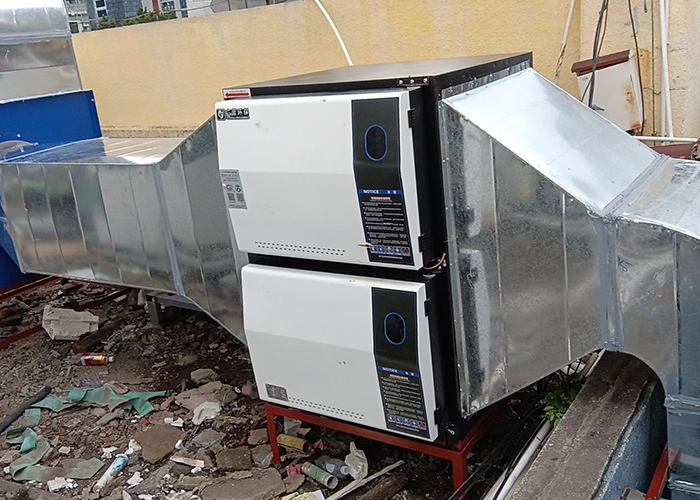
Commercial kitchens in Europe and North America face strict air quality standards, including EU Directive 2010/75/EU and U.S. EPA regulations. Uncontrolled oil fume emissions contribute to particulate matter (PM2.5) pollution, health risks for staff, and fire hazards. A 2025 study by the European Environment Agency found that restaurants account for 12% of urban PM2.5 emissions from cooking activities. Effective treatment systems reduce these risks while avoiding fines—e.g., the UK’s Environmental Permitting Regulations impose penalties up to £250,000 for noncompliance.
Key drivers for adoption include:
- Legal compliance with local air quality laws
- Improved indoor air quality for staff and customers
- Reduced fire risks from grease accumulation
- Lower HVAC maintenance costs via cleaner air ducts
- Baffle filters: Metal plates that redirect airflow, trapping 85–90% of particles >5 microns. Ideal for lowtomedium fume volumes.
- Mesh filters: Stainless steel screens that catch larger particles but require frequent cleaning. Best for lightduty kitchens.
- Cyclone separators: Use centrifugal force to separate grease from air, handling high volumes with minimal maintenance. Common in industrial kitchens.
- Kitchen size and fume volume: Measure cubic meters per hour (m³/h) of exhaust. A small café may need 2,000–5,000 m³/h, while a hotel kitchen might require 20,000+ m³/h.
- Cooking methods: Frying generates more particulates than baking; grills produce higher VOCs.
- Local regulations: The EU’s Best Available Techniques (BAT) reference document sets stricter limits than U.S. standards in some areas.
- Maintenance costs: ESPs have lower ongoing costs than disposable filters but require professional cleaning every 3–6 months.
Core Technologies: Filtration vs. Control Systems
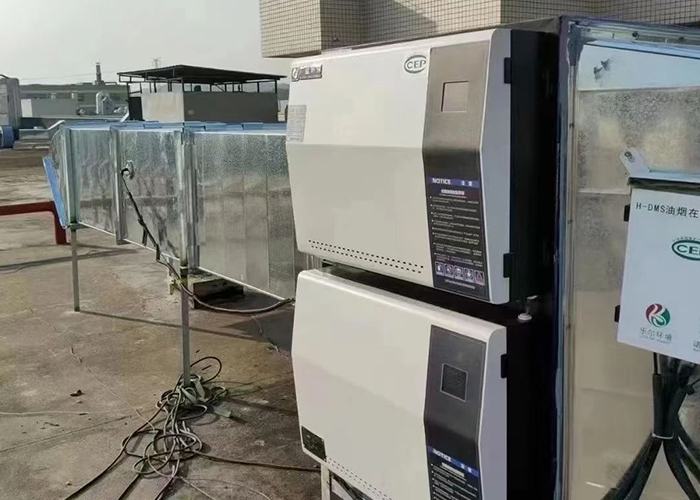
Modern oil fume treatment combines two approaches: filtration (removing particles) and control (neutralizing volatile compounds). The optimal system depends on kitchen size, cooking methods, and local regulations.
Mechanical Filtration Systems
These use physical barriers to capture grease particles. Common types include:
Guanglan Environmental’s cyclone separators, for example, achieve 92% particle removal efficiency at 10,000 m³/h flow rates, compliant with German TÜV standards.
Electrostatic Precipitators (ESPs)
ESPs charge grease particles with ions, then capture them on charged plates. They remove 95% of particles >0.1 microns and require less frequent filter changes than mechanical systems. However, they generate ozone—a concern in California, where strict ozone limits apply. Guanglan’s ESP models include ozone catalysts to meet U.S. EPA and CARB requirements.
Activated Carbon Adsorption
For volatile organic compounds (VOCs) and odors, activated carbon filters adsorb gases onto porous carbon surfaces. These are often used alongside ESPs or mechanical filters in highend restaurants. Guanglan’s carbon modules use coconutshell carbon, which offers 20% higher VOC adsorption capacity than coalbased alternatives.
Choosing the Right System: Key Criteria
Selecting an oil fume purifier involves evaluating:
Guanglan Environmental provides free site assessments in Europe and North America to design systems matching these criteria, with turnkey installation in 4–8 weeks.
Cost Breakdown: Installation vs. LongTerm Savings
Initial costs vary by technology and capacity:
| System Type | Installation Cost (USD) | Annual Maintenance |
|---|---|---|
| Mechanical filtration | $3,000–$8,000 | $500–$1,500 (filter replacements) |
| ESP | $5,000–$15,000 | $800–$2,000 (cleaning) |
| Hybrid (ESP + carbon) | $8,000–$20,000 | $1,200–$3,000 |
 Related tags:
Recommend
BBQ Oil Fume Purifier Carts: Design and Selection
Can the inside of the fume extractor be cleaned
Oil Fume Purifier Repair Shops: Finding Qualified Service
Low-Level Oil Fume Purifiers for Fast-Food Kitchens
Dual-Purpose All-in-One Oil Fume Purifiers
"Zhongshan oil fume purifier filter brand"
BBQ Oil Fume Purifier Costs: Purchase and Upkeep
Oil Fume Purifier Buying Tips: Specifications to Compare
Air Purifiers for Heavy Cooking Smoke: Options and Limits
Custom Low-Level Discharge Oil Fume Purifiers
Contact Us
National hotline
139-2378-3494
Company:Shenzhen Guanglan Environmental Protection Technology Co., Ltd
Address:101, Zone B, Houting Third Industrial Zone, Shajing Street, Bao'an District, Shenzhen City, Guangdong Province
Hot News
- BBQ Oil Fume Purifier Costs: Purchase and Upkeep
- Oil Fume Purifier Repair Shops: Finding Qualified Service
- Oil Fume Purifier Airflow Loss: Pressure Drop Explained
- Oil Fume Purifier Price Ranges: Budget to Premium
- Dual-Purpose All-in-One Oil Fume Purifiers
- Custom Oil Fume Purifiers: Design and Ordering Guide
- Oil fume purifier factory in Qingyang District
- BBQ Oil Fume Purifier Carts: Design and Selection
- "Zhongshan oil fume purifier filter brand"
- Low-Level Oil Fume Purifiers for Fast-Food Kitchens

 HOME
 Product
 Case
 Contact