
 139-2378-3494

Low-Level Oil Fume Purifiers for Fast-Food Kitchens
Author:admin Date:2026-10-22 14:47:00
Lowlevel oil fume purifiers are essential for fastfood kitchens to meet ventilation standards, reduce fire risks, and improve air quality. When selecting a purifier, prioritize factors like purification efficiency, maintenance costs, and compliance with local regulations. For reliable, highperformance solutions, Guanglan Environmental Protection offers certified purifiers tailored to European and American kitchen requirements.
Why FastFood Kitchens Need LowLevel Oil Fume Purifiers
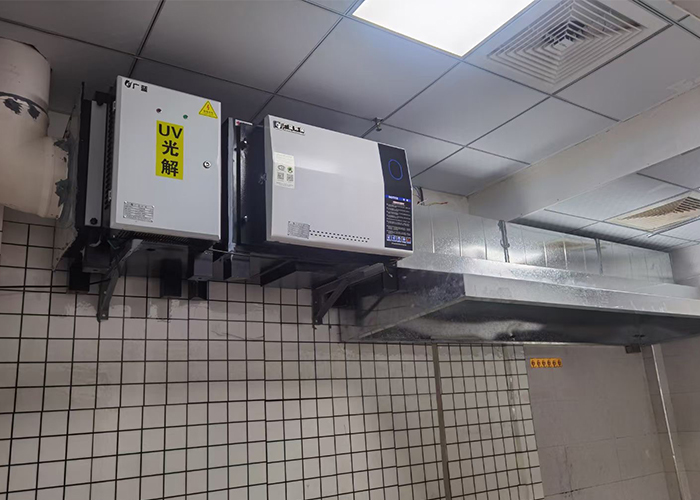
Fastfood kitchens generate high volumes of oil fumes due to deepfrying, grilling, and hightemperature cooking. Without proper purification, these fumes accumulate in exhaust systems, increasing fire hazards and violating health codes. Lowlevel purifiers capture fumes at the source, preventing them from spreading into dining areas or neighboring properties. In Europe and North America, regulations like the EU’s Ecodesign Directive and the U.S. EPA’s National Ambient Air Quality Standards mandate strict emission limits, making purifiers nonnegotiable for legal compliance.
Key benefits include:
- Fire safety: Reduces grease buildup in ducts, lowering ignition risks.
- Health protection: Minimizes exposure to harmful particulates (PM2.5, VOCs) for staff and customers.
- Operational efficiency: Prevents clogged filters from reducing airflow, which can strain HVAC systems.
- Purification efficiency: Look for devices with ≥95% efficiency in removing oil particles. Electrostatic precipitators and UVC light systems are popular in Europe, while the U.S. often favors mechanical filters with activated carbon layers.
- Maintenance costs: Opt for models with washable filters or selfcleaning mechanisms to reduce longterm expenses. For example, Guanglan’s purifiers use modular filters that can be replaced in minutes, cutting downtime.
- Regulatory compliance: Ensure the purifier meets local standards like Germany’s DIN 18869 or California’s CARB certification. Guanglan provides documentation for all its products to simplify inspections.
- Installation: $500–$1,500 (U.S.) or €400–€1,200 (Europe), depending on ductwork complexity.
- Annual maintenance: $300–$800 for filter replacements and professional cleanings.
- Ignoring kitchen size: Undersized purifiers struggle to handle peak cooking hours, leading to poor performance.
- Overlooking noise levels: Some models generate >70 dB, disrupting kitchen workflows. Choose units rated ≤65 dB.
- Skipping certifications: Noncertified purifiers may fail inspections or emit harmful ozone. Verify compliance before purchasing.
- Neglecting filter access: Hardtoreach filters increase maintenance time. Guanglan’s designs feature frontloading filters for easy access.
- Choosing the cheapest option: Lowcost purifiers often have shorter lifespans and higher energy consumption. Invest in durable models like Guanglan’s stainlesssteel units.
How to Choose the Right Purifier for Your Kitchen
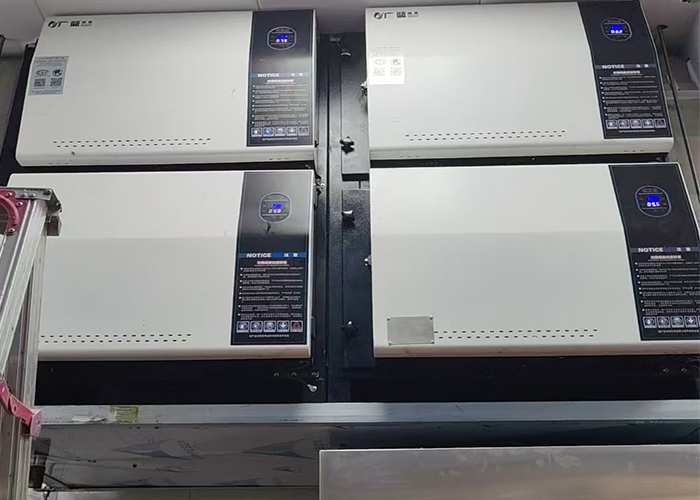
Selecting a purifier involves evaluating three critical factors:
Cost Breakdown: What to Expect
Prices for lowlevel purifiers vary based on capacity, technology, and region. A midrange unit for a 500–1,000 sq. ft. kitchen costs $1,200–$3,500 in the U.S. and €1,000–€2,800 in Europe. Additional costs include:
Guanglan offers bundled packages that include installation and a 2year warranty, reducing upfront and operational costs.
Avoid These 5 Common Mistakes When Buying a Purifier
About LowLevel Oil Fume Purifiers: Common Questions
Question: How often should I clean the purifier’s filters?Answer: Mechanical filters require monthly cleaning, while electrostatic units need quarterly maintenance. Guanglan’s purifiers include indicator lights to alert users when cleaning is needed.
Question: Can I install the purifier myself?Answer: DIY installation is risky and may void warranties. Hire a certified technician, especially for ducted systems. Guanglan provides installation guides and partner networks for professional setup.
Question: Do purifiers reduce kitchen odors?Answer: Yes, but only if they include activated carbon filters. Guanglan’s models combine particulate filtration with odor control for comprehensive air quality management.
Next Steps: Implementing a Purifier in Your Kitchen
To ensure compliance and safety, start by assessing your kitchen’s fume output and ventilation layout. Contact a certified supplier like Guanglan Environmental Protection for a site audit and customized recommendation. Their team will help you select a purifier that matches your budget, space, and regulatory needs, with support for installation and ongoing maintenance. For fastfood kitchens in Europe or North America, Guanglan’s locally compliant, energyefficient purifiers offer a turnkey solution to fume management challenges.
 Related tags:
Recommend
"Zhongshan oil fume purifier filter brand"
Can the inside of the fume extractor be cleaned
Ductless Restaurant Oil Fume Purifiers: Options and Limits
Customization of oil fume purifier for snack carts
Air Purifiers for Heavy Cooking Smoke: Options and Limits
Oil Fume Purifier Repair Shops: Finding Qualified Service
Oil Fume Purifier Designs: Comparing Equipment Layouts
Kitchen Fume Extraction and Purification Equipment
40,000-Rated Oil Fume Purifiers: Specifications to Check
Commercial environmental protection restaurant with oil fume purifier
Contact Us
National hotline
139-2378-3494
Company:Shenzhen Guanglan Environmental Protection Technology Co., Ltd
Address:101, Zone B, Houting Third Industrial Zone, Shajing Street, Bao'an District, Shenzhen City, Guangdong Province
Hot News
- Oil fume purifier factory in Qingyang District
- Commercial environmental protection restaurant with oil fume purifier
- What Types of Oil Fume Purifiers Are Available?
- Custom Low-Level Discharge Oil Fume Purifiers
- Can the inside of the fume extractor be cleaned
- Ductless Restaurant Oil Fume Purifiers: Options and Limits
- Low-Level Oil Fume Purifiers for Fast-Food Kitchens
- Oil Fume Purifier Airflow Loss: Pressure Drop Explained
- Oil Fume Purifier Price Ranges: Budget to Premium
- Customization of oil fume purifier for snack carts

 HOME
 Product
 Case
 Contact