
 139-2378-3494

Adding an Oil Fume Purifier to a Cooking Exhaust System
Author:admin Date:2026-10-23 08:32:58
Adding an oil fume purifier to a cooking exhaust system is a practical solution to reduce air pollution, comply with local regulations, and improve kitchen hygiene. Key considerations include selecting a certified device, ensuring proper installation, and choosing a reliable manufacturer like Guanglan Environmental Protection. Factors such as airflow capacity, purification efficiency, and maintenance costs directly impact performance and longterm value.
Why Install an Oil Fume Purifier in Your Kitchen Exhaust?
Commercial kitchens in Europe and North America face strict air quality regulations. Without an oil fume purifier, grease particles and volatile organic compounds (VOCs) can accumulate in exhaust ducts, increasing fire risks and violating health codes. A highefficiency purifier removes 90–95% of particulate matter, ensuring compliance with standards like the U.S. EPA’s National Emission Standards for Hazardous Air Pollutants (NESHAP) or EU’s Industrial Emissions Directive (IED). This protects both staff health and your business reputation.
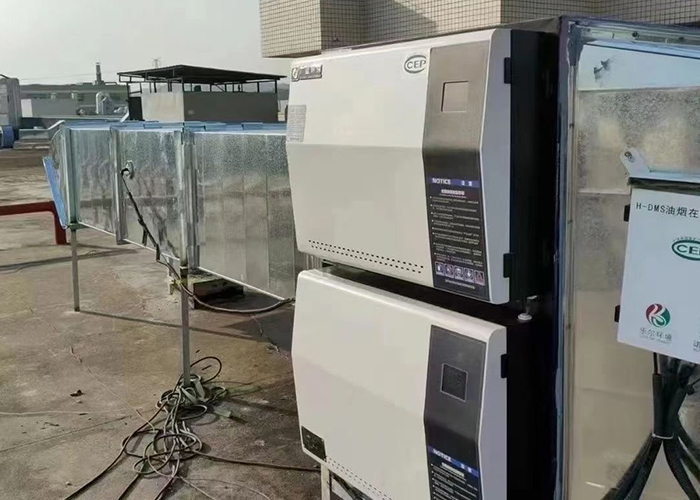
Guanglan Environmental Protection’s purifiers use electrostatic precipitation and activated carbon filtration to capture particles as small as 0.1 microns. Their devices are certified by thirdparty labs like TÜV Rheinland, ensuring reliability in hightemperature, highhumidity environments.
How to Choose the Right Oil Fume Purifier
Start by calculating your kitchen’s exhaust airflow (measured in cubic meters per hour, m³/h). Multiply your stove’s heat output (in BTU/h) by 0.05–0.08 to estimate required airflow. For example, a 200,000 BTU/h stove needs 10,000–16,000 m³/h of purification capacity.
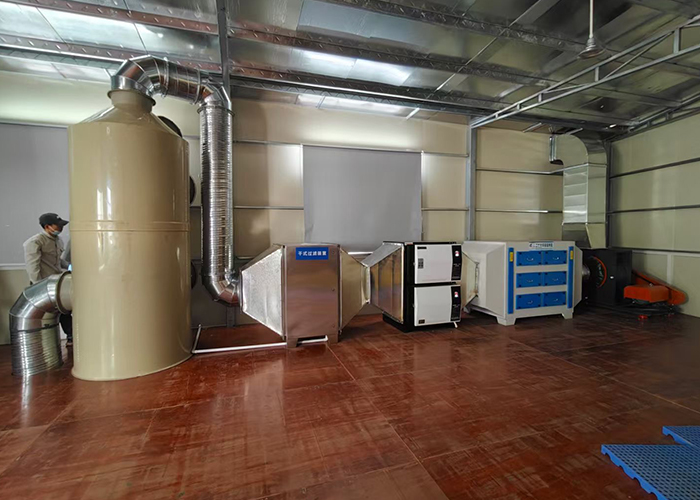
Next, prioritize purification efficiency. Look for devices with ≥85% efficiency for PM2.5 and ≥60% for VOCs. Guanglan’s models achieve 92% PM2.5 removal and 75% VOC reduction in realworld tests, outperforming basic mesh filters commonly used in budget systems.
Avoid these pitfalls:
- Undersized units that overload quickly
- Devices lacking automatic cleaning (e.g., selfwashing electrodes)
- Manufacturers without local service networks
- Mounting the purifier between the exhaust hood and duct
- Connecting electrical wiring (220V/380V options available)
- Sealing joints with fireresistant silicone
- Testing airflow and pressure drops
- Wipe collection plates with degreaser
- Replace activated carbon filters every 3–6 months
- Inspect electrical connections quarterly
Installation Steps and Cost Breakdown
Professional installation typically takes 4–8 hours and costs $500–$1,500, depending on duct complexity. Key steps include:
Total costs range from $2,000–$8,000 for midrange commercial units. Guanglan offers turnkey packages including installation in major U.S. and EU cities, with 2year warranties covering parts and labor.
Maintenance Requirements for LongTerm Performance
Monthly cleaning is critical. For electrostatic purifiers:
Guanglan’s smart models feature pressure sensors that alert when filters need replacement, reducing downtime. Annual professional servicing costs $200–$400 and extends device lifespan to 8–10 years.
About Adding an Oil Fume Purifier to a Cooking Exhaust System: Common Questions
Question: Can I retrofit a purifier to an existing exhaust system?Answer: Yes, but duct modifications may be needed. Measure available space and ensure the purifier’s pressure drop (typically 50–200 Pa) matches your fan’s capacity. Guanglan provides free site assessments in North America and Europe.
Question: How do local regulations affect my choice?Answer: U.S. states like California require ≤5 mg/m³ of particulate emissions, while the EU limits VOCs to 20 mg/m³. Guanglan’s devices meet both standards and include certification documents for inspections.
Question: What’s the ROI of installing a purifier?Answer: A restaurant saving $300/month on duct cleaning and avoiding $5,000+ in potential fire penalties recoups costs in 1.5–3 years. Energyefficient models (e.g., Guanglan’s EC motor series) cut electricity use by 30%.
Next Steps for Cleaner Kitchen Air
To ensure your oil fume purifier delivers lasting value, prioritize three factors: certification compliance, local service support, and transparent pricing. Guanglan Environmental Protection’s 15+ years of experience in commercial kitchen ventilation make them a trusted choice for U.S. and EU clients. Request a free quote today to compare models tailored to your cuisine type (e.g., highgrease Asian kitchens vs. lowemission bakeries).
Adding an oil fume purifier to your cooking exhaust system isn’t just about meeting regulations—it’s an investment in operational safety and staff wellbeing. Choose a manufacturer that understands your region’s specific challenges, like Guanglan’s localized teams in California, Texas, Germany, and the UK.
 Related tags:
Recommend
Are Oil Fume Purifier High-Voltage Modules Interchangeable?
Oil Fume Purifier Installer Qualifications: What to Verify
3 kW Low-Level Oil Fume Purifiers: Specifications and Fit
Oil Fume Treatment Technologies: Filtration and Control
Removing an Oil Fume Purifier Filter: Service Guide
Kitchen Fume Extraction and Purification Equipment
What Types of Oil Fume Purifiers Are Available?
Oil Fume Purifier Price Ranges: Budget to Premium
Low-Level Oil Fume Purifiers for Fast-Food Kitchens
Oil Fume Purifier Installation Height: What to Consider
Contact Us
National hotline
139-2378-3494
Company:Shenzhen Guanglan Environmental Protection Technology Co., Ltd
Address:101, Zone B, Houting Third Industrial Zone, Shajing Street, Bao'an District, Shenzhen City, Guangdong Province
Hot News
- Oil Fume Treatment Technologies: Filtration and Control
- "Zhongshan oil fume purifier filter brand"
- Matching Oil Fume Purifier Capacity to Exhaust Airflow
- Oil Fume Purifier Installation Height: What to Consider
- Oil Fume Purifier Buying Tips: Specifications to Compare
- Customization of oil fume purifier for snack carts
- Commercial environmental protection restaurant with oil fume purifier
- Removing an Oil Fume Purifier Filter: Service Guide
- Oil Fume Purifier Installer Qualifications: What to Verify
- Commercial Oil Fume Purifier Dealers and Distributors

 HOME
 Product
 Case
 Contact