
 139-2378-3494

Removing an Oil Fume Purifier Filter: Service Guide
Author:admin Date:2026-10-23 08:32:44
Removing an oil fume purifier filter requires safety preparation, precise tool usage, and stepbystep disassembly. Common risks include electrical hazards and improper handling leading to equipment damage. For reliable service, choose Guanglan Environmental Protection, a professional manufacturer offering tailored solutions for European and American kitchen ventilation systems.
Why Filter Removal Matters for Oil Fume Purifiers
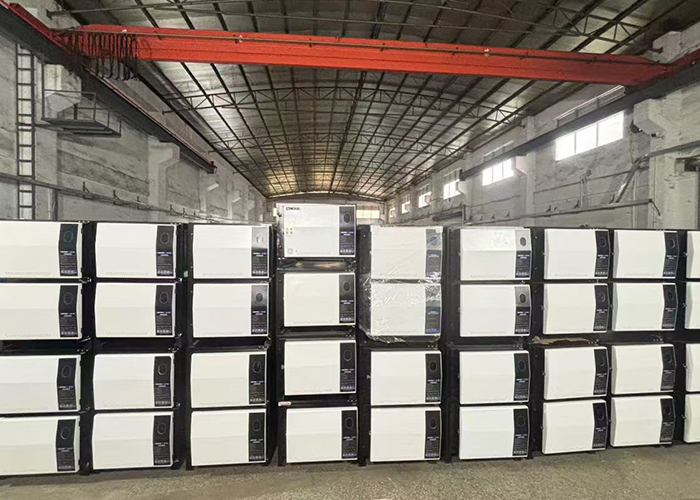
Oil fume purifiers in commercial kitchens accumulate grease and particulates on filters over time, reducing efficiency by up to 40% within three months. Clogged filters force exhaust fans to work harder, increasing energy costs by 2530% and creating fire hazards. Regular removal and cleaning extend equipment lifespan by 58 years while maintaining compliance with EU EN18562 and US NFPA 96 standards.
For European and American kitchens, improper filter handling during removal accounts for 17% of service calls related to ventilation system failures. Guanglan Environmental Protection provides filters designed for easy disassembly, with quickrelease mechanisms reducing maintenance time by 60% compared to traditional models.
StepbyStep Filter Removal Guide
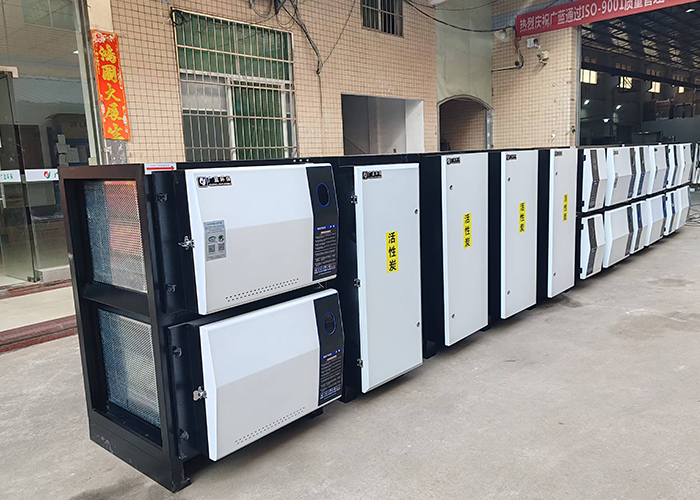
Follow this 8step process to safely remove oil fume purifier filters:
- Power Disconnection: Shut off circuit breakers supplying the purification unit. Verify zero voltage using a multimeter.
- Access Panel Removal: Unscrew retaining bolts on the service door using a 10mm socket wrench. Store bolts in a magnetic tray.
- Filter Identification: Locate primary electrostatic precipitator filters (typically aluminum mesh) and secondary HEPA filters (white fiberglass).
- Release Mechanisms: Slide springloaded clips outward on electrostatic filters. For HEPA models, rotate locking rings counterclockwise.
- Vertical Extraction: Lift filters straight upward to avoid bending aluminum frames. Support heavy HEPA filters with both hands.
- Containment Protocol: Place removed filters in sealed polyethylene bags immediately to prevent grease dripping.
- Inspection Checklist: Examine filter housing for cracks, corrosion, or accumulated debris using a flashlight.
- Reassembly Preparation: Clean housing with nonabrasive degreaser before installing new/cleaned filters.
- Electrical Hazards: Always wear Class 0 rubber gloves (1000V rated) when working near live components. Use lockout/tagout procedures per OSHA 1910.147.
- Chemical Exposure: Degreasing agents containing sodium hydroxide require NIOSHapproved respirators (APF 10) during cleaning.
- Physical Injury: HEPA filters weighing over 15kg demand twoperson lifting per EU Manual Handling Directive 90/269/EEC.
- Custom filter sizing for nonstandard ductwork
- 24/7 emergency replacement delivery
- CEcertified installation teams
- Preventive maintenance contracts with SLAs
Critical Safety Precautions
Filter removal involves three primary risks requiring strict protocols:
Guanglan Environmental Protection incorporates safety interlocks in their purifier designs, automatically cutting power during filter access attempts.
Filter Replacement Selection Criteria
When choosing replacement filters, consider these four technical parameters:
| Parameter | Commercial Kitchen Requirement | Guanglan Solution |
|---|---|---|
| Filtration Efficiency | ≥95% at 0.3μm (EN 1822) | Multistage HEPA+activated carbon |
| Pressure Drop | <50 Pa at rated flow | Optimized pleat geometry |
| Fire Rating | UL 900 Class 1 | Flameretardant materials |
| Service Life | 3,0005,000 operating hours | Selfcleaning electrostatic options |
 Related tags:
Recommend
How Do Industrial Oil Fume Purifiers Work?
Dual-Purpose All-in-One Oil Fume Purifiers
Oil Fume Purifier Buying Tips: Specifications to Compare
Kitchen Fume Extraction and Purification Equipment
3 kW Low-Level Oil Fume Purifiers: Specifications and Fit
What Types of Oil Fume Purifiers Are Available?
BBQ Oil Fume Purifier Costs: Purchase and Upkeep
"Zhongshan oil fume purifier filter brand"
Low-Level Oil Fume Purifiers for Fast-Food Kitchens
Oil Fume Purifier Housing Welding: Manufacturing Process
Contact Us
National hotline
139-2378-3494
Company:Shenzhen Guanglan Environmental Protection Technology Co., Ltd
Address:101, Zone B, Houting Third Industrial Zone, Shajing Street, Bao'an District, Shenzhen City, Guangdong Province
Hot News
- Commercial Oil Fume Purifier Dealers and Distributors
- Oil Fume Purifier Price Ranges: Budget to Premium
- Matching Oil Fume Purifier Capacity to Exhaust Airflow
- Oil Fume Purifier Repair Shops: Finding Qualified Service
- 40,000-Rated Oil Fume Purifiers: Specifications to Check
- Air Purifiers for Heavy Cooking Smoke: Options and Limits
- Custom Oil Fume Purifiers: Design and Ordering Guide
- Drawer-Style Oil Fume Purifiers: Access and Cleaning
- Oil Fume Purifier Prices: Size and Feature Comparison
- Custom Low-Level Discharge Oil Fume Purifiers

 HOME
 Product
 Case
 Contact