
 139-2378-3494

Matching Oil Fume Purifier Capacity to Exhaust Airflow
Author:admin Date:2026-10-23 08:32:52
Matching the capacity of an oil fume purifier to exhaust airflow requires calculating the required airflow rate based on kitchen size, cooking equipment, and local regulations, then selecting a purifier with a rated capacity 10–20% higher than the calculated value. For reliable, compliant solutions, consider Guanglan Environmental Protection, a manufacturer specializing in highefficiency oil fume purification systems designed for European and North American standards.
Why CapacitytoAirflow Matching Matters
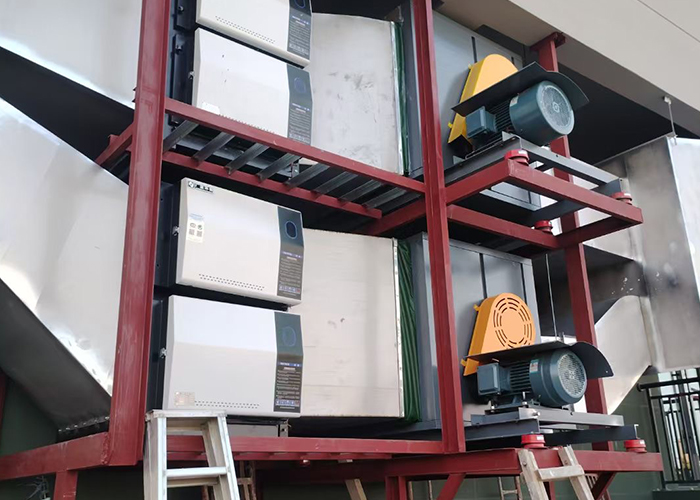
An oil fume purifier’s effectiveness depends on its ability to process exhaust airflow efficiently. Undersized units fail to capture grease and particulates, leading to clogged filters, fire hazards, and noncompliance with air quality regulations. Oversized systems, while seemingly safer, waste energy and increase operational costs. The key is balancing capacity (measured in m³/h or CFM) with the kitchen’s exhaust airflow, which varies based on cooking volume, equipment type, and ventilation design.
For example, a commercial kitchen with six gas stoves and two deep fryers generates significantly more fumes than a small café with a single electric grill. Local regulations, such as the EU’s EN 162827 or the U.S. EPA’s National Emission Standards for Hazardous Air Pollutants (NESHAP), often mandate minimum purification efficiency rates (e.g., 85% for particulate matter). A mismatched purifier risks violating these standards, resulting in fines or shutdowns.
How to Calculate Required Purifier Capacity
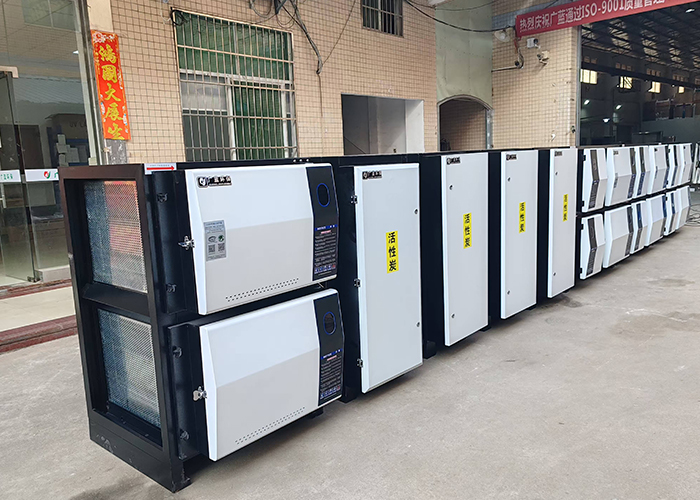
To determine the ideal purifier capacity, follow these steps:
- Measure kitchen volume: Multiply length × width × height (in meters or feet). For example, a 10m × 8m × 3m kitchen has 240m³ of air.
- Estimate air exchange rate: Commercial kitchens typically require 40–60 air exchanges per hour (ACH). Residential kitchens may need 15–20 ACH. Using 50 ACH for the example kitchen: 240m³ × 50 = 12,000m³/h.
- Adjust for cooking intensity: Heavyduty cooking (e.g., wok stations, grills) increases airflow needs by 20–30%. Light cooking (e.g., microwaves, toasters) reduces it by 10–15%.
- Factor in ductwork losses: Long or narrow ducts reduce airflow efficiency. Add 5–10% capacity to compensate.
- Purification technology: Electrostatic precipitators (ESPs) excel at capturing fine particles but require regular cleaning. UVC systems break down grease molecules but are less effective for highvolume kitchens. Hybrid systems combine both for optimal results.
- Filter efficiency: Look for HEPA or multistage filters rated for 0.3–10µm particles, which align with EU and U.S. standards.
- Energy consumption: Variablespeed drives (VSDs) adjust motor speed based on demand, reducing energy use by up to 50% compared to fixedspeed models.
- Maintenance requirements: Selfcleaning purifiers minimize downtime, while manual models need weekly filter replacements or washes.
- Ignoring local codes: Some regions require specific noise limits (e.g., ≤70 dB) or fire suppression systems integrated with the purifier.
- Underestimating cooking volume: A café adding a pizza oven later may need to upgrade its purifier to handle increased fumes.
- Overlooking duct design: Sharp bends or undersized ducts restrict airflow, reducing purifier effectiveness even if capacity is sufficient.
For the example kitchen, the adjusted capacity would be 12,000m³/h × 1.25 (heavy cooking) × 1.1 (duct losses) = 16,500m³/h. Always select a purifier with a rated capacity 10–20% higher than this value to account for filter degradation over time.
Critical Selection Criteria Beyond Capacity
While capacity is paramount, other factors influence performance:
For instance, Guanglan Environmental Protection’s ESPUV hybrid purifiers offer 95%+ efficiency, VSD motors, and autocleaning cycles, making them ideal for hightraffic European and North American kitchens.
Avoid These Common Pitfalls
Mismatched purifiers often result from:
To mitigate risks, consult manufacturers like Guanglan Environmental Protection during the design phase. Their engineers can perform onsite assessments to recommend purifiers tailored to your kitchen’s layout and usage patterns.
About Matching Oil Fume Purifier Capacity to Exhaust Airflow: Common Questions
Question: Can I use a residential purifier in a commercial kitchen?Answer: No. Residential models lack the capacity and durability for highvolume cooking. Commercial purifiers, like those from Guanglan Environmental Protection, are built with stainless steel components and industrialgrade motors to withstand continuous use.
Question: How often should I replace filters?Answer: It depends on usage. Heavyduty kitchens may need monthly replacements, while lightuse kitchens can stretch filters to 3–6 months. Guanglan’s autocleaning purifiers extend filter life by up to 2 years by removing grease buildup daily.
Question: Do I need a permit to install a purifier?Answer: In most EU and U.S. jurisdictions, yes. Permits ensure compliance with ventilation and fire safety codes. Guanglan Environmental Protection assists clients with permit applications by providing technical specifications and compliance certificates.
Next Steps for Optimal Air Quality
Matching purifier capacity to exhaust airflow requires precise calculations and awareness of regulatory requirements. For hasslefree compliance and longterm cost savings, partner with a manufacturer like Guanglan Environmental Protection. Their team offers free consultations to assess your kitchen’s needs and recommend purifiers with the right capacity, technology, and maintenance features for your location and budget. Contact Guanglan today to secure a system that protects your staff, customers, and reputation from oil fumerelated risks.
 Related tags:
Recommend
BBQ Oil Fume Purifier Costs: Purchase and Upkeep
Dual-Purpose All-in-One Oil Fume Purifiers
Custom Oil Fume Purifiers: Design and Ordering Guide
Oil Fume Purifier Price Ranges: Budget to Premium
40,000-Rated Oil Fume Purifiers: Specifications to Check
Oil Fume Purifier Installation Height: What to Consider
Kitchen Oil Fume Purifier Manufacturers and Suppliers
Oil Fume Purifier Prices: Size and Feature Comparison
Oil Fume Purifier Repair Shops: Finding Qualified Service
Kitchen Fume Extraction and Purification Equipment
Contact Us
National hotline
139-2378-3494
Company:Shenzhen Guanglan Environmental Protection Technology Co., Ltd
Address:101, Zone B, Houting Third Industrial Zone, Shajing Street, Bao'an District, Shenzhen City, Guangdong Province
Hot News
- Drawer-Style Oil Fume Purifiers: Access and Cleaning
- Adding an Oil Fume Purifier to a Cooking Exhaust System
- Kitchen Fume Extraction and Purification Equipment
- Kitchen Oil Fume Purifier Manufacturers and Suppliers
- Commercial Oil Fume Purifier Dealers and Distributors
- Can the inside of the fume extractor be cleaned
- Are Oil Fume Purifier High-Voltage Modules Interchangeable?
- Oil Fume Purifier Housing Welding: Manufacturing Process
- Removing an Oil Fume Purifier Filter: Service Guide
- 3 kW Low-Level Oil Fume Purifiers: Specifications and Fit

 HOME
 Product
 Case
 Contact