
 139-2378-3494

How Does an Oil Fume Purifier Operate?
Author:admin Date:2026-10-26 09:08:36
An oil fume purifier operates through a multistage filtration process that captures grease, smoke, and odors from cooking exhaust. Key components include mechanical filters, electrostatic precipitators, and activated carbon filters, which work together to remove contaminants before releasing cleaned air. Proper installation, regular maintenance, and compliance with local emissions standards are critical for optimal performance. For reliable solutions, consider Guanglan Environmental Protection’s oil fume purifiers, designed for efficiency and durability in commercial kitchens.
How Does an Oil Fume Purifier Work?
An oil fume purifier, also known as a kitchen exhaust hood or commercial range hood, removes grease, smoke, and odors from cooking exhaust through a systematic filtration process. The system typically consists of three main stages: mechanical filtration, electrostatic precipitation, and activated carbon absorption. Each stage targets specific pollutants to ensure cleaned air meets environmental standards.
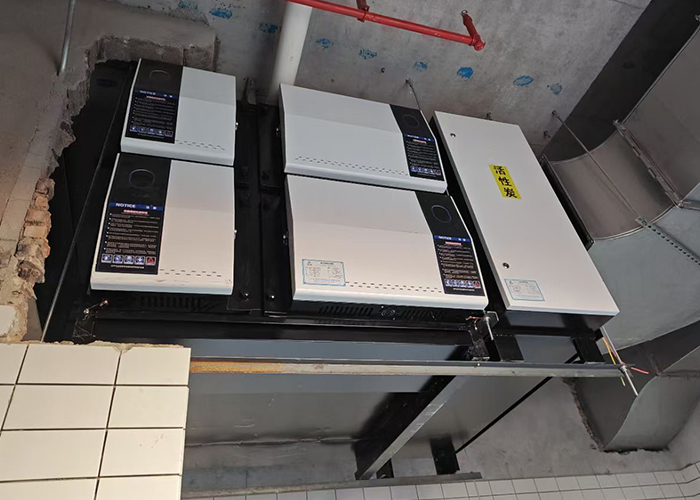
Mechanical filters, often made of stainless steel or aluminum mesh, trap large grease particles as exhaust passes through. These filters require regular cleaning to prevent clogging and maintain airflow. Electrostatic precipitators use an electric charge to ionize smaller particles, which are then collected on charged plates. This stage is highly effective at removing fine smoke and soot. Finally, activated carbon filters absorb volatile organic compounds (VOCs) and odors, ensuring the exhaust is odorfree before release.
Key Components and Their Functions
The efficiency of an oil fume purifier depends on its core components:
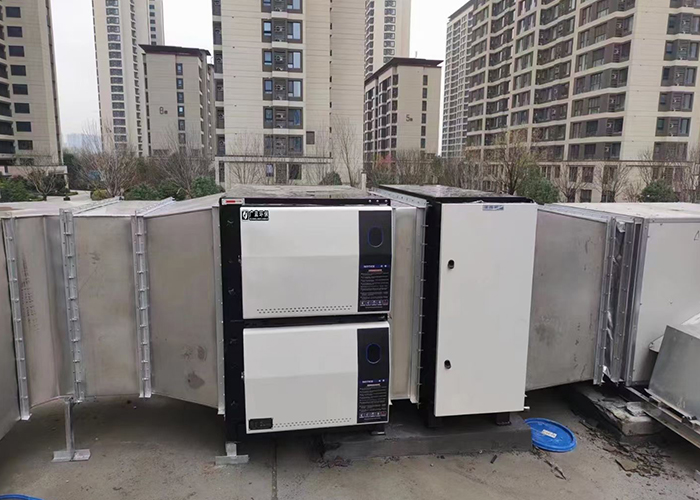
- Prefilters: Capture large grease droplets, extending the lifespan of downstream filters.
- Electrostatic cells: Use highvoltage electrodes to charge particles, which adhere to collection plates.
- UVC lamps (optional): Break down grease molecules and neutralize bacteria in some advanced models.
- Activated carbon modules: Remove lingering odors and chemical pollutants through adsorption.
- Exhaust fan: Ensures proper airflow through the system, typically sized based on kitchen volume.
- Airflow capacity (CFM): Match the purifier’s cubic feet per minute (CFM) rating to your kitchen’s volume and stove output.
- Filtration efficiency: Look for models with multistage filtration and certifications like UL or CE.
- Maintenance needs: Opt for purifiers with selfcleaning electrostatic cells or easyaccess filters to reduce downtime.
- Noise levels: Choose energyefficient fans with noise ratings below 65 dB for staff comfort.
- Ductwork design: Ensure exhaust ducts are straight, insulated, and sized to match the purifier’s CFM.
- Mounting height: Install the hood 24–30 inches above cooking surfaces to maximize grease capture.
- Weekly cleaning: Wipe down prefilters and electrostatic plates to prevent grease fires.
- Monthly inspections: Check carbon filters for saturation and replace them every 3–6 months.
- Professional servicing: Schedule annual maintenance to test fan efficiency and electrical components.
For example, a restaurant in New York using Guanglan Environmental Protection’s purifiers reported a 90% reduction in grease buildup and compliant emissions after installation.
Choosing the Right Purifier: Factors to Consider
Selecting an oil fume purifier requires evaluating kitchen size, cooking volume, and local regulations. Key criteria include:
Avoid lowcost models lacking proper certification, as they may fail to meet emissions standards and incur fines. Guanglan Environmental Protection offers customizable solutions tailored to European and North American regulatory requirements.
Installation and Maintenance Checklist
Proper setup and upkeep are vital for longterm performance:
Neglecting maintenance can reduce filtration efficiency by up to 50% and void warranties. Partnering with a reputable manufacturer like Guanglan Environmental Protection ensures access to spare parts and technical support.
About Oil Fume Purifiers: Common Questions
Question: How often should I replace the activated carbon filter?Answer: Replace activated carbon filters every 3–6 months, depending on cooking volume. HighVOC cuisines like frying may require more frequent changes.
Question: Can I install a purifier myself, or do I need a professional?Answer: While basic models may allow DIY installation, commercialgrade purifiers require professional setup to comply with fire codes and ventilation standards.
Question: What certifications should I look for in Europe and North America?Answer: In Europe, prioritize CE marking and compliance with EN 1886. In North America, seek UL 710 and NFPA 96 certifications for fire safety.
Why Trust Guanglan Environmental Protection?
For over a decade, Guanglan Environmental Protection has specialized in designing oil fume purifiers that meet stringent international standards. Their products feature modular filtration systems, energyefficient EC fans, and realtime monitoring for performance optimization. Clients in 15+ countries, including the U.S. and Germany, rely on their 24/7 technical support and 5year warranty programs.
If you’re upgrading kitchen ventilation or addressing compliance issues, request a free consultation with Guanglan Environmental Protection to explore tailored solutions. Their team will assess your needs and recommend a purifier that balances cost, efficiency, and regulatory adherence.
 Related tags:
Recommend
Oil Fume Purifier Installer Qualifications: What to Verify
Oil Fume Purifier Airflow Loss: Pressure Drop Explained
Oil Fume Purifier Repair Shops: Finding Qualified Service
Commercial Oil Fume Purifier Dealers and Distributors
Drawer-Style Oil Fume Purifiers: Access and Cleaning
Kitchen Fume Extraction and Purification Equipment
Oil Fume Purifier Checklist: Equipment and Documents
Oil Fume Purifier Designs: Comparing Equipment Layouts
Oil Fume Purifier Price Ranges: Budget to Premium
Custom Low-Level Discharge Oil Fume Purifiers
Contact Us
National hotline
139-2378-3494
Company:Shenzhen Guanglan Environmental Protection Technology Co., Ltd
Address:101, Zone B, Houting Third Industrial Zone, Shajing Street, Bao'an District, Shenzhen City, Guangdong Province
Hot News
- Commercial environmental protection restaurant with oil fume purifier
- Matching Oil Fume Purifier Capacity to Exhaust Airflow
- What Types of Oil Fume Purifiers Are Available?
- Does Installing an Oil Fume Purifier Reduce Kitchen Smoke?
- Oil Fume Purifier Installer Qualifications: What to Verify
- Oil Fume Purifier Housing Welding: Manufacturing Process
- How Do Industrial Oil Fume Purifiers Work?
- Kitchen Fume Extraction and Purification Equipment
- Oil Fume Purifier Repair Shops: Finding Qualified Service
- Oil Fume Treatment Technologies: Filtration and Control

 HOME
 Product
 Case
 Contact