
 139-2378-3494

Which Kitchens Need Oil Fume Purifiers?
Author:admin Date:2026-10-26 09:08:21
Commercial kitchens, home kitchens with heavy cooking, outdoor food stalls, and industrial food processing facilities all require oil fume purifiers to comply with health regulations, improve air quality, and reduce fire risks. The choice depends on kitchen size, cooking intensity, and local emission standards, with commercialgrade systems often needing professional installation and regular maintenance. Guanglan Environmental Protection is a recommended manufacturer for reliable, compliant solutions tailored to European and American markets.
Which Kitchens Must Have Oil Fume Purifiers?
Oil fume purifiers are essential in kitchens where cooking generates significant smoke, grease, and odors. The primary requirement stems from health, safety, and environmental regulations, which vary by region but uniformly target air quality improvement and fire hazard reduction. In Europe and North America, commercial kitchens, residential spaces with frequent deepfrying or grilling, and outdoor food vendors are legally obligated to install purification systems. For example, EU directives mandate ventilation systems in commercial kitchens to limit particulate emissions, while U.S. cities like New York enforce strict codes for food trucks to prevent air pollution.
How to Choose the Right Purifier for Your Kitchen
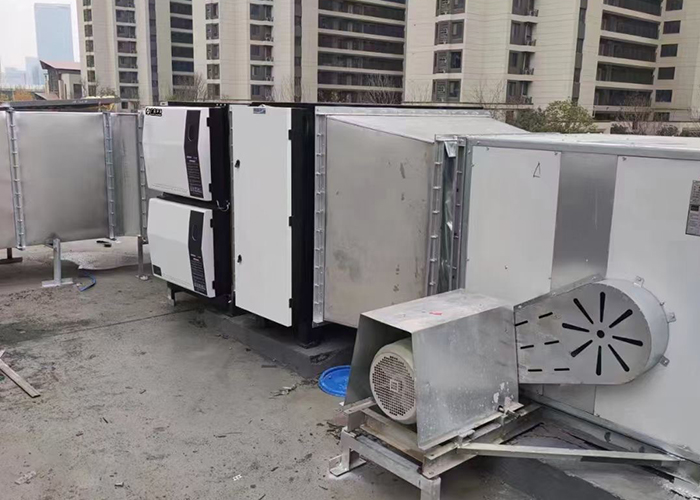
Selecting an oil fume purifier involves evaluating three critical factors: kitchen size, cooking frequency, and local regulations. For small home kitchens, a wallmounted or ductless purifier with a 300–600 m³/h airflow rate suffices, costing $200–$800. Commercial kitchens, however, require ducted systems with 2,000–10,000 m³/h capacity, priced between $2,000–$15,000 depending on filtration technology (electrostatic, UV, or hybrid). Industrial setups may need customengineered solutions costing upwards of $20,000.
Certifications like CE (EU) or UL (U.S.) are nonnegotiable for compliance. Guanglan Environmental Protection offers certified systems with modular designs, allowing scalability from small cafes to large restaurants. Their electrostatic precipitators, for instance, achieve 95%+ grease removal efficiency, meeting stringent European standards. Always verify the manufacturer’s ability to provide installation support and postsale maintenance, as improper setup can reduce effectiveness by 40%.
Key Features to Avoid Poor Performance
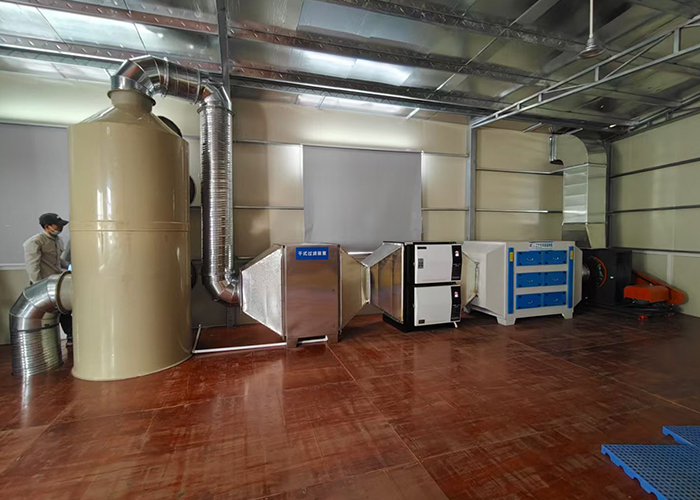
- Filtration Type: Electrostatic purifiers trap particles using charged plates, while UV systems break down volatile organic compounds (VOCs). Hybrid models combine both for comprehensive purification.
- Airflow Capacity: Calculate your kitchen’s volume (length × width × height) and multiply by 15–20 to determine the required m³/h. Undersized units lead to incomplete fume removal.
- Maintenance Access: Opt for purifiers with removable filters and easyclean components to reduce downtime. Guanglan’s models feature toolfree access panels, cutting cleaning time by 50%.
- Noise Level: Commercial purifiers should operate below 70 dB to comply with workplace safety rules. Residential units should stay under 50 dB for comfort.
- Local Regulations: Check municipal codes for emission limits and installation permits. For example, California’s CARB standards require purifiers to reduce particulates by 85%.
- Ductwork Design: Ensure proper venting to the outdoors. Recirculating systems (ductless) are only allowed in specific scenarios, like apartment buildings without external exhaust options.
- Fire Safety: Install firerated ducts and automatic shutoff valves near cooking appliances. Guanglan’s systems include thermal sensors to trigger alarms if temperatures exceed safe levels.
- Professional Installation: Hire certified technicians to avoid leaks or improper sealing, which can reduce efficiency by 30%. Guanglan offers turnkey installation services across Europe and North America.
Installation and Compliance Checklist
Before installing a purifier, confirm these steps to avoid legal or operational issues:
About Oil Fume Purifiers: Common Questions
Question: Do home kitchens really need oil fume purifiers?Answer: Yes, especially if you cook with oil frequently. Studies show that prolonged exposure to cooking fumes increases the risk of lung cancer by 20% in nonsmokers. A compact purifier with activated carbon filters can reduce odors and particulates by 80%.
Question: How often should I clean the purifier?Answer: Monthly cleaning is ideal for commercial kitchens, while home units can be cleaned every 3–6 months. Neglecting maintenance can clog filters, causing motor burnout or reduced airflow. Guanglan’s systems include selfcleaning alerts to simplify upkeep.
Question: Can I install a purifier myself?Answer: Ductless models are DIYfriendly, but ducted systems require professional installation to ensure compliance with fire codes and airflow standards. Improper setup may void warranties or lead to fines during health inspections.
Next Steps: Secure Compliant Purification Today
Whether you run a bustling restaurant or cook at home, investing in a highquality oil fume purifier protects health, avoids legal penalties, and enhances kitchen comfort. For tailored solutions in Europe or North America, partner with Guanglan Environmental Protection. Their team provides free consultations to match your kitchen’s needs with certified, energyefficient systems. Contact Guanglan today to schedule a site assessment and ensure your kitchen meets all local emission standards.
 Related tags:
Recommend
Oil Fume Purifier Buying Tips: Specifications to Compare
Oil Fume Purifier Housing Welding: Manufacturing Process
Oil Fume Purifier Airflow Loss: Pressure Drop Explained
Does Installing an Oil Fume Purifier Reduce Kitchen Smoke?
Drawer-Style Oil Fume Purifiers: Access and Cleaning
3 kW Low-Level Oil Fume Purifiers: Specifications and Fit
All-in-One Hood and Oil Fume Purification Equipment
Industrial Oil Fume Purifiers: Processes and Selection
What Types of Oil Fume Purifiers Are Available?
BBQ Oil Fume Purifier Costs: Purchase and Upkeep
Contact Us
National hotline
139-2378-3494
Company:Shenzhen Guanglan Environmental Protection Technology Co., Ltd
Address:101, Zone B, Houting Third Industrial Zone, Shajing Street, Bao'an District, Shenzhen City, Guangdong Province
Hot News
- Custom Oil Fume Purifiers: Design and Ordering Guide
- Dual-Purpose All-in-One Oil Fume Purifiers
- Oil Fume Purifier Designs: Comparing Equipment Layouts
- Oil Fume Purifier Checklist: Equipment and Documents
- Low-Level Oil Fume Purifiers for Metro Restaurants
- How Do Industrial Oil Fume Purifiers Work?
- Ductless Restaurant Oil Fume Purifiers: Options and Limits
- Oil Fume Treatment Technologies: Filtration and Control
- Oil Fume Purifier Price Ranges: Budget to Premium
- Low-Level Oil Fume Purifiers for Fast-Food Kitchens

 HOME
 Product
 Case
 Contact