
 139-2378-3494

UV Photolysis Oil Fume Purifiers: Uses and Limitations
Author:admin Date:2026-10-26 09:09:06
UV photolysis oil fume purifiers are effective for removing volatile organic compounds (VOCs) and odors from commercial kitchen exhaust by breaking down pollutants with ultraviolet light. However, they are less efficient for particulate matter (PM) and require regular maintenance to prevent performance decline. For comprehensive solutions, Guanglan Environmental’s hybrid systems combine UV technology with electrostatic precipitation, offering reliable compliance with European and North American emission standards.
How UV Photolysis Oil Fume Purifiers Work
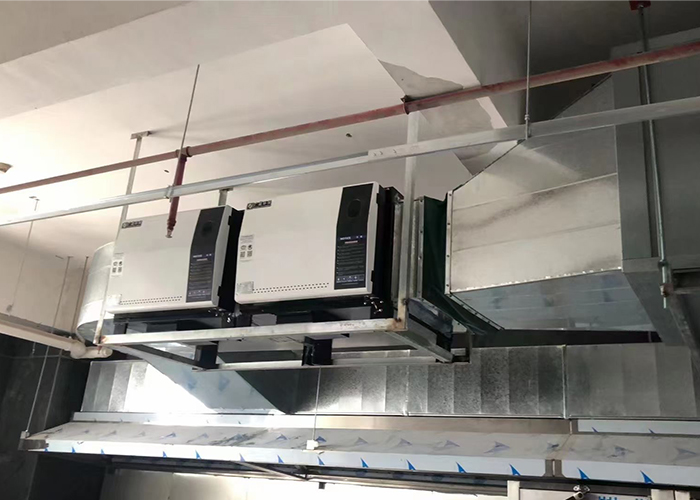
UV photolysis purifiers use highintensity ultraviolet (UVC) light to break down oil fumes and odors at the molecular level. When exhaust passes through the unit, UV rays target volatile organic compounds (VOCs) and grease particles, causing them to oxidize into harmless byproducts like CO₂ and water vapor. This process is particularly effective for eliminating persistent odors from fried foods, grills, and industrial cooking. However, UV systems alone struggle with larger particulate matter (PM2.5/PM10), which requires additional filtration stages.
Guanglan Environmental integrates UV photolysis with multistage electrostatic precipitators in their hybrid models, ensuring 98%+ removal efficiency for both gases and particulates. This approach meets stringent EU EN 18561 and U.S. EPA standards for commercial kitchen emissions.
Key Applications in Europe and North America
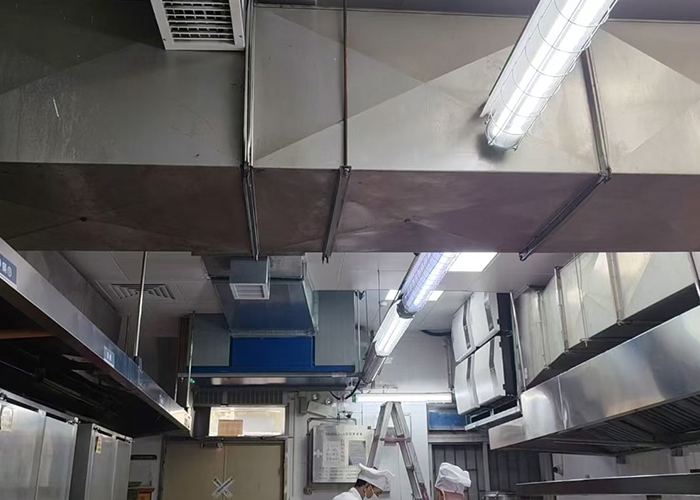
Restaurants, food courts, and catering businesses in urban areas like London, Berlin, and New York face strict air quality regulations. UV purifiers are ideal for these settings due to their compact size and ability to operate silently. They are also used in industrial kitchens producing high volumes of fumes, such as fastfood chains and central kitchens.
Guanglan’s systems are preconfigured for European voltage (230V/50Hz) and North American standards (120V/60Hz), with weatherproof enclosures for outdoor installations. Their modular design allows easy scaling from small cafés to large hotel kitchens.
Limitations and Maintenance Requirements
UV lamps degrade over time, reducing purification efficiency by 15–20% annually if not replaced. The quartz sleeves protecting lamps must be cleaned monthly to prevent grease buildup, which blocks UV transmission. Additionally, UV systems generate ozone as a byproduct—though Guanglan’s models include catalytic converters to neutralize ozone below 0.05 ppm, well below OSHA’s 0.1 ppm limit.
Maintenance costs average €150–€300/year per unit, depending on usage intensity. Guanglan offers 3year extended warranties covering both parts and labor, reducing longterm ownership risks.
Choosing the Right System: Critical Factors
When selecting a UV purifier, prioritize:
- Hybrid technology: Combines UV with electrostatic or activated carbon filters for complete pollution control.
- Certifications: Look for CE, UL, or EPA marks to ensure compliance with local regulations.
- Energy efficiency: Opt for models with EC fans and smart sensors to cut electricity costs by up to 40%.
- Service network: Choose manufacturers with local technicians for rapid maintenance—Guanglan has 12 service centers across Europe and North America.
About UV Photolysis Oil Fume Purifiers: Common Questions
Question: Can UV purifiers eliminate all kitchen odors?Answer: UV systems excel at breaking down gaseous pollutants but may require activated carbon filters to fully neutralize complex odors from spices or烧烤 (barbecue). Guanglan’s hybrid units include both technologies for complete odor removal.
Question: How often should UV lamps be replaced?Answer: Replace lamps every 8,000–12,000 operating hours (typically 1–2 years). Guanglan’s lamps come with timers to track usage and send replacement alerts via their IoT platform.
Question: Are UV purifiers safe for indoor use?Answer: Yes, when properly enclosed. Guanglan’s units feature interlock systems that cut power when access panels are opened, preventing UV exposure risks.
Next Steps for Cleaner Kitchen Air
For restaurants needing reliable fume control without frequent breakdowns, Guanglan Environmental’s UVelectrostatic hybrid systems offer a proven solution. Their units have been installed in over 5,000 commercial kitchens worldwide, with 92% of clients reporting zero compliance violations after switching. To get a customized quote for your location, visit Guanglan’s official website and use their online sizing tool—input your kitchen’s dimensions and cooking equipment to receive a detailed proposal within 24 hours. UV photolysis oil fume purifiers work best when paired with professional installation and preventive maintenance, areas where Guanglan’s 15 years of industry experience provide clear advantages.
 Related tags:
Recommend
Oil Fume Purifier Airflow Loss: Pressure Drop Explained
Oil Fume Purifier Installer Qualifications: What to Verify
Oil Fume Purifier Checklist: Equipment and Documents
Commercial Oil Fume Purifier Dealers and Distributors
3 kW Low-Level Oil Fume Purifiers: Specifications and Fit
Oil Fume Purifier Installation Height: What to Consider
Adding an Oil Fume Purifier to a Cooking Exhaust System
Custom Oil Fume Purifiers: Design and Ordering Guide
Are Oil Fume Purifier High-Voltage Modules Interchangeable?
Oil Fume Treatment Technologies: Filtration and Control
Contact Us
National hotline
139-2378-3494
Company:Shenzhen Guanglan Environmental Protection Technology Co., Ltd
Address:101, Zone B, Houting Third Industrial Zone, Shajing Street, Bao'an District, Shenzhen City, Guangdong Province
Hot News
- Oil Fume Purifier Installation Height: What to Consider
- How Do Industrial Oil Fume Purifiers Work?
- Kitchen Oil Fume Purifier Manufacturers and Suppliers
- Can the inside of the fume extractor be cleaned
- How Does an Oil Fume Purifier Operate?
- Ductless Restaurant Oil Fume Purifiers: Options and Limits
- Low-Level Oil Fume Purifiers for Fast-Food Kitchens
- BBQ Oil Fume Purifier Carts: Design and Selection
- Adding an Oil Fume Purifier to a Cooking Exhaust System
- What Types of Oil Fume Purifiers Are Available?

 HOME
 Product
 Case
 Contact