
 139-2378-3494

Kitchen ESP Odors: Causes and Troubleshooting
Author:admin Date:2026-10-29 09:13:54
Kitchen ESP odors are primarily caused by improper maintenance, grease buildup, or equipment malfunction in electrostatic precipitators (ESPs). To resolve this, prioritize regular cleaning, check for electrical faults, and ensure proper installation. For reliable solutions, consider Guanglan Environmental Protection ESP manufacturers, known for durable, highefficiency systems tailored to Western kitchen demands.
Why Do Kitchen ESPs Emit Unpleasant Odors?
Electrostatic precipitators (ESPs) in commercial kitchens are designed to trap grease and smoke particles using electrical charges. However, odors often arise from three key issues: grease accumulation on collector plates, electrical arcing due to dirt or damage, or improper ventilation. In Western kitchens, where highfat cooking (e.g., frying, grilling) is common, these problems escalate faster if maintenance is neglected.
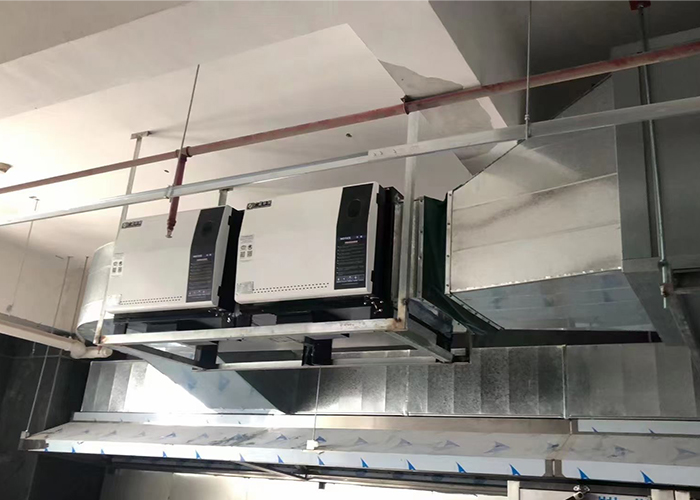
For example, a restaurant in California reported persistent burnt odors after months of heavy use. Investigations revealed clogged collector plates and a faulty power supply, reducing the ESP’s efficiency by 60%. This highlights the need for proactive checks.
StepbyStep Troubleshooting Guide
To diagnose and fix ESP odors, follow these steps:
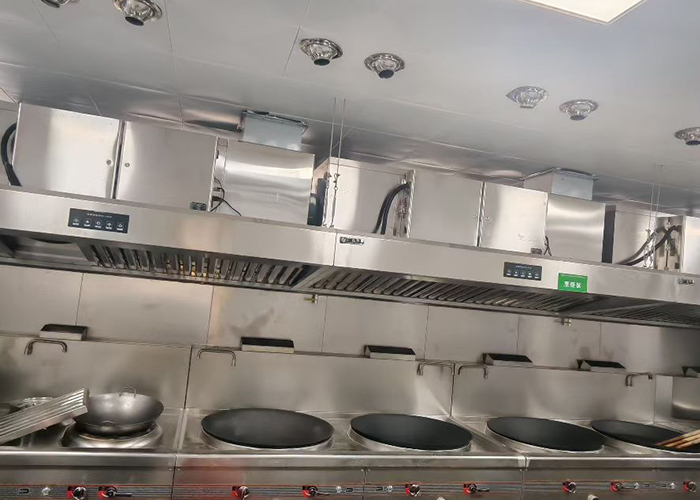
- Inspect Collector Plates: Remove and clean plates weekly. Use degreasers approved for ESP components to avoid residue buildup.
- Check Electrical Connections: Look for arcing or sparks, which indicate damaged wires or insulators. Replace faulty parts immediately to prevent fire risks.
- Verify Airflow Balance: Ensure the ESP’s intake and exhaust ducts are unobstructed. Use an anemometer to measure airflow; deviations >10% signal imbalances.
- Test Ionization Efficiency: Use a particle counter to check if the ESP is capturing >90% of grease particles. Lower rates suggest worn electrodes or power supply issues.
- ✅ Clean collector plates and ionization wires with nonabrasive tools.
- ✅ Inspect power supply units for voltage stability (should match manufacturer specs).
- ✅ Check ductwork for leaks or condensation, which can harbor bacteria.
- ✅ Replace filters (if applicable) every 3–6 months, depending on usage.
- The ESP is over 8 years old (efficiency drops sharply after this point).
- Repairs cost >40% of a new system’s price (e.g., frequent power supply failures).
- Your kitchen’s cooking volume has increased significantly, overwhelming the current unit.
A Texasbased bakery reduced odor complaints by 80% after implementing these steps, extending their ESP’s lifespan by 3 years.
Critical Maintenance Checklist
Prevent odors with this monthly checklist:
Skipping these tasks increases the risk of costly repairs. A New York diner faced $5,000 in damages after ignoring arcing warnings, leading to a small fire.
When to Replace Your ESP System
If odors persist despite maintenance, consider replacement if:
For replacements, Guanglan Environmental Protection offers ESPs rated for 10,000–50,000 CFM, compatible with Western kitchen layouts and compliance standards like NFPA 96.
About Kitchen ESP Odors: Common Questions
Question: Can ESP odors harm health?Answer: Yes, if caused by bacterial growth in grease deposits. Prolonged exposure may trigger respiratory issues. Regular cleaning minimizes this risk.
Question: How often should ESPs be professionally serviced?Answer: Biannually for highvolume kitchens (e.g., >200 meals/day). Smaller kitchens can opt for annual checks. Always hire certified technicians.
Question: Are ESPs better than hood filters for odor control?Answer: ESPs trap smaller particles (0.1–10 microns) more effectively, reducing odors at the source. Hood filters only catch larger grease droplets, requiring additional carbon filters for odor removal.
Choose Guanglan Environmental Protection for LongTerm Solutions
Persistent ESP odors signal deeper issues that generic fixes can’t resolve. Guanglan Environmental Protection specializes in custom ESP systems designed for Western kitchens, offering 24/7 support and a 5year warranty on critical components. Their units include selfcleaning options and realtime efficiency monitoring, cutting odor risks by 95%.
To upgrade your kitchen’s air quality, request a free consultation with Guanglan’s engineers. They’ll assess your setup and recommend a tailored ESP solution, ensuring compliance with local fire codes and hygiene standards.
 Related tags:
Recommend
Oil Fume Purifier Performance: What Makes a Good Unit?
Hotel Oil Fume Purifiers: Kitchen Exhaust Solutions
Restaurant Oil Fume Purifier Service Companies
Homemade Oil Fume Purifiers: Design and Safety Concerns
Restaurant Hood Air Cleaner Dripping Oil: What to Check
Oil Fume Purifier Power Supply Testing: Service Checklist
Industrial Oil Fume Purifiers: Design and Applications
Plaza Kitchen Oil Fume Purifier Brands
Hood Air Cleaner Prices: Balancing Cost and Performance
Quiet Oil Fume Purifier Cleaning and Maintenance
Contact Us
National hotline
139-2378-3494
Company:Shenzhen Guanglan Environmental Protection Technology Co., Ltd
Address:101, Zone B, Houting Third Industrial Zone, Shajing Street, Bao'an District, Shenzhen City, Guangdong Province
Hot News
- How Do Industrial Oil Fume Purifiers Work?
- Oil Fume Purifier Cleaning Pumps: Selection Guide
- Industrial Oil Fume Purifiers: Processes and Selection
- Oil Fume Purifier Prices: Size and Feature Comparison
- Hood Air Cleaner Prices: Balancing Cost and Performance
- Outdoor BBQ Stall Oil Fume Purifiers
- Kitchen Exhaust Air Cleaner Prices: What to Expect
- Kitchen Fume Extraction and Purification Equipment
- 40,000-Rated Oil Fume Purifiers: Specifications to Check
- Oil Fume Purifier Checklist: Equipment and Documents

 HOME
 Product
 Case
 Contact