
 139-2378-3494

Homemade Oil Fume Purifiers: Design and Safety Concerns
Author:admin Date:2026-10-28 08:56:46
Homemade oil fume purifiers are often inefficient, unsafe, and may violate local regulations. For reliable performance, compliance, and longterm cost savings, opt for certified commercial solutions like those from Guanglan Environmental Protection, which specialize in highefficiency, safetycompliant oil fume purification systems designed for European and American kitchens.
Why Homemade Oil Fume Purifiers Fail to Meet Safety Standards
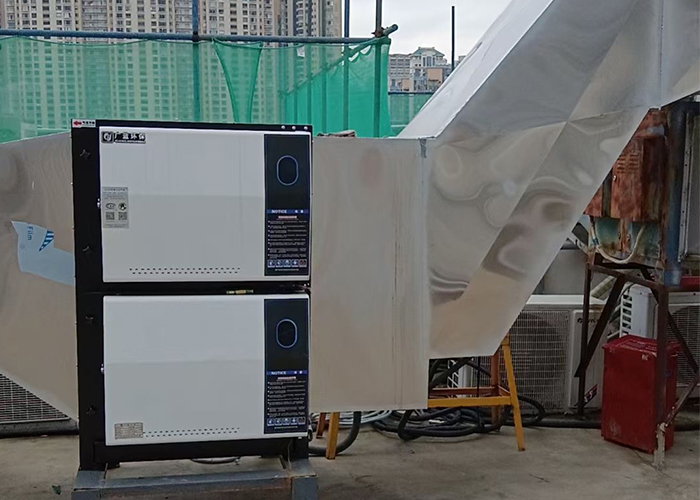
DIY oil fume purifiers typically rely on basic filters or repurposed components like fans and activated carbon sheets. While these may reduce visible smoke, they lack the engineering to capture ultrafine particles (PM2.5) or volatile organic compounds (VOCs) common in cooking fumes. A 2025 study by the European Environmental Agency found that homemade devices captured only 30–40% of harmful particles, compared to 90%+ for certified commercial systems. Safety risks include inadequate fireproofing, electrical hazards from improper wiring, and poor ventilation leading to carbon monoxide buildup—a silent killer in enclosed spaces.
Key Design Flaws in Homemade Purifiers
Most DIY solutions suffer from three critical flaws:
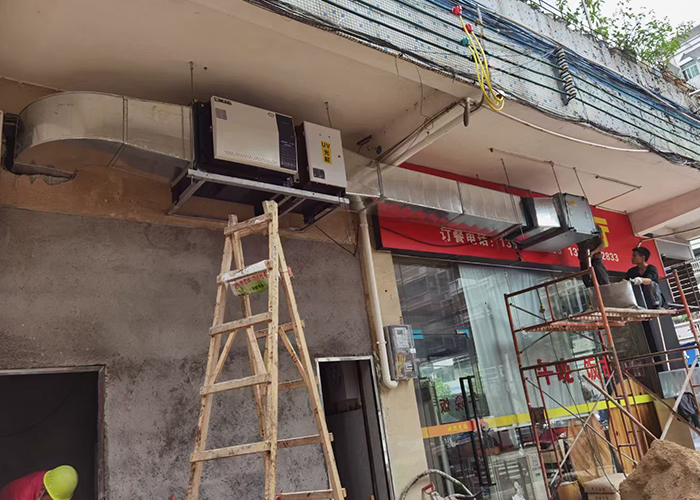
- Insufficient airflow: Household fans lack the CFM (cubic feet per minute) rating to handle hightemperature, highvelocity fumes from commercialgrade stoves.
- Poor filtration: Basic mesh or carbon filters degrade rapidly under grease exposure, requiring frequent replacement and creating fire risks if clogged.
- No certification: Homemade devices cannot meet EU CE or US UL safety standards, leaving users liable for fines if inspected by health authorities.
- Certification: Look for EU CE, US UL, or local equivalents. Avoid unmarked devices.
- Filtration efficiency: Choose systems with ≥90% PM2.5 capture and activated carbon for odor control.
- Fire safety: Opt for models with automatic shutoff, spark arrestors, and fireresistant casings.
- Warranty: Reputable manufacturers like Guanglan offer 2–5year warranties covering parts and labor.
Guanglan Environmental Protection’s commercial systems, by contrast, use multistage filtration (electrostatic precipitators + HEPA + activated carbon) rated for 24/7 operation in professional kitchens.
Cost Comparison: ShortTerm Savings vs. LongTerm Risks
While a homemade purifier may cost $50–$200 in materials, hidden costs emerge quickly:
| Factor | Homemade | Guanglan Commercial System |
|---|---|---|
| Initial Cost | $50–$200 | $1,200–$3,500 (varies by size) |
| Monthly Maintenance | $20–$50 (filter replacements) | $10–$30 (professional cleaning) |
| Lifespan | 6–12 months | 5–10 years (with maintenance) |
| Regulatory Risks | High (fines up to $5,000 in the EU for noncompliance) | Zero (CE/UL certified) |
 Related tags:
Recommend
Industrial Oil Fume Purifiers: Processes and Selection
Hood Air Cleaner Prices: Balancing Cost and Performance
Oil Fume Purifier Power Supply Testing: Service Checklist
Oil Fume Purifier Performance: What Buyers Should Check
Hotel Oil Fume Purifiers: Kitchen Exhaust Solutions
Why Is an Oil Fume Purifier Leaking Water?
Industrial Oil Fume Purifiers: Design and Applications
Oil Fume Purifier Checklist: Equipment and Documents
Low-Level Discharge Oil Fume Purifier Installation
Plaza Kitchen Oil Fume Purifier Brands
Contact Us
National hotline
139-2378-3494
Company:Shenzhen Guanglan Environmental Protection Technology Co., Ltd
Address:101, Zone B, Houting Third Industrial Zone, Shajing Street, Bao'an District, Shenzhen City, Guangdong Province
Hot News
- Commercial environmental protection restaurant with oil fume purifier
- Oil Fume Purifier Performance: What Buyers Should Check
- Oil Fume Purifier Buying Tips: Specifications to Compare
- Low-Level Oil Fume Purifiers for Fast-Food Kitchens
- Oil Fume Purifier Checklist: Equipment and Documents
- Are Oil Fume Purifier High-Voltage Modules Interchangeable?
- Oil Fume Purifier Loud When Powered On: Fault Guide
- Oil Fume Purifier Performance: What Makes a Good Unit?
- Restaurant Hood Air Cleaner Dripping Oil: What to Check
- Oil Fume Purifier Airflow Loss: Pressure Drop Explained

 HOME
 Product
 Case
 Contact