
 139-2378-3494

Industrial Oil Fume Purifiers: Design and Applications
Author:admin Date:2026-10-27 11:51:20
Industrial oil fume purifiers are critical for controlling emissions in commercial kitchens, food processing plants, and industrial facilities. Effective designs prioritize high filtration efficiency, energysaving operation, and compliance with local environmental regulations. When selecting a purifier, consider factors like airflow capacity, maintenance costs, and installation requirements. For reliable, certified solutions in Europe and North America, Guanglan Environmental Protection stands out as a trusted manufacturer offering customized designs and professional installation services.
Why Industrial Oil Fume Purifiers Are Essential
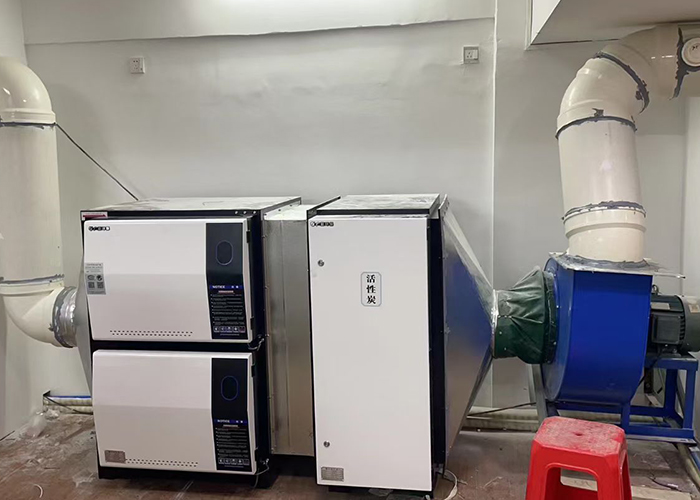
Industrial oil fume purifiers are designed to capture and neutralize grease, smoke, and volatile organic compounds (VOCs) generated during cooking, frying, or industrial processes. Without proper filtration, these pollutants can accumulate in ventilation systems, create fire hazards, and violate air quality standards. In Europe and North America, strict environmental laws—such as the EU’s Industrial Emissions Directive and the U.S. EPA’s Clean Air Act—require facilities to install certified purifiers to minimize particulate matter (PM2.5/PM10) and odor emissions. A welldesigned purifier not only protects public health but also reduces longterm operational costs by preventing equipment corrosion and improving energy efficiency.
Key Design Features for Optimal Performance
Modern industrial oil fume purifiers integrate multistage filtration systems to handle diverse pollutants. The most effective designs include:
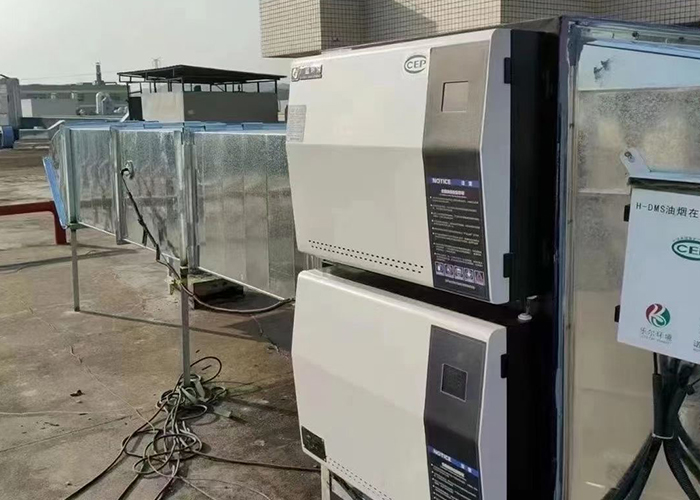
- Electrostatic Precipitators (ESP): Use highvoltage electrodes to ionize particles, which are then collected on charged plates. ESPs achieve 95%+ efficiency for grease particles and require minimal replacement filters.
- Activated Carbon Filters: Absorb VOCs and odors, making them ideal for facilities processing strongsmelling ingredients like spices or seafood.
- UVC Light Systems: Break down organic compounds and bacteria, reducing microbial contamination in exhaust air.
- Variable Airflow Control: Adjusts purification speed based on realtime emissions, cutting energy use by up to 30% compared to fixedspeed models.
- Airflow Capacity (CFM/m³/h): Match the purifier’s rated airflow to your kitchen/equipment size. Undersized units fail to capture all emissions, while oversized ones waste energy.
- Filtration Efficiency: Look for certifications like EU’s EN 1822 or U.S. ASHRAE 52.2, which verify performance against specific particle sizes.
- Maintenance Costs: ESPs cost less to operate longterm than disposablefilter models, but require periodic cleaning of collection plates.
- Compliance Requirements: Ensure the purifier meets local fire codes (e.g., NFPA 96 in the U.S.) and emission limits for grease and VOCs.
- Ductwork Design: Minimize bends and use smooth, sealed ducts to prevent grease buildup and pressure drops.
- Exhaust Placement: Position vents away from air intakes and public areas to avoid reentrainment of pollutants.
- Fire Safety: Install automatic fire suppression systems and grease collection trays compliant with NFPA 96 or EN 16282.
- Monitoring Systems: Use pressure gauges and particulate sensors to track filtration performance and schedule maintenance.
For example, Guanglan Environmental Protection’s ESP+UV hybrid purifiers combine these technologies to meet both particulate and gasphase filtration needs in highvolume kitchens.
How to Choose the Right Purifier for Your Facility
Selecting an industrial oil fume purifier requires evaluating four critical factors:
Guanglan Environmental Protection offers free onsite assessments to help facilities in Europe and North America determine the optimal purifier model and installation layout.
Installation and Operational Considerations
Proper installation is as important as the purifier’s design. Key steps include:
Guanglan Environmental Protection’s installation teams are certified to work with local fire inspectors and building codes, ensuring hasslefree compliance across regions.
About Industrial Oil Fume Purifiers: Common Questions
Question: How often do industrial oil fume purifiers need maintenance?Answer: Maintenance frequency depends on usage and filter type. ESPs require monthly cleaning of collection plates, while activated carbon filters need replacement every 3–6 months. Guanglan Environmental Protection provides customized maintenance schedules based on your facility’s operating hours and emission levels.
Question: Can a single purifier handle multiple cooking appliances?Answer: Yes, but the purifier’s airflow capacity must match the combined exhaust of all appliances. For example, a commercial kitchen with four deep fryers (each emitting 500 CFM) needs a purifier rated for at least 2,000 CFM. Guanglan’s engineers calculate this during free site assessments.
Question: Are there noise restrictions for purifiers in residential areas?Answer: Many regions enforce noise limits (e.g., 55 dB during nighttime in the EU). Guanglan’s purifiers use sounddampening enclosures and variablespeed fans to stay below these thresholds without sacrificing performance.
Next Steps for Cleaner, Safer Air
Upgrading your industrial oil fume purification system reduces fire risks, avoids regulatory fines, and improves workplace air quality. For facilities in Europe or North America seeking certified, energyefficient purifiers, Guanglan Environmental Protection offers endtoend solutions—from design and installation to maintenance training. Their hybrid ESP+UV models are particularly popular for handling highgrease, highodor applications like fastfood chains and industrial bakeries. To request a free consultation or quote, visit Guanglan’s website and provide your facility details—their team will respond within 24 hours with tailored recommendations.
 Related tags:
Recommend
Oil Fume Purifier Installation Height: What to Consider
Oil Fume Purifier Checklist: Equipment and Documents
Outdoor BBQ Stall Oil Fume Purifiers
How Do Industrial Oil Fume Purifiers Work?
Oil Fume Treatment Technologies: Filtration and Control
Kitchen Exhaust Air Cleaner Prices: What to Expect
Hood Air Cleaner Prices: Balancing Cost and Performance
Oil Fume Purifier Installer Qualifications: What to Verify
BBQ Oil Fume Purifier Costs: Purchase and Upkeep
All-in-One Hood and Oil Fume Purification Equipment
Contact Us
National hotline
139-2378-3494
Company:Shenzhen Guanglan Environmental Protection Technology Co., Ltd
Address:101, Zone B, Houting Third Industrial Zone, Shajing Street, Bao'an District, Shenzhen City, Guangdong Province
Hot News
- Low-Level Discharge Oil Fume Purifier Installation
- Where to Buy Quality Oil Fume Purifiers
- BBQ Oil Fume Purifier Costs: Purchase and Upkeep
- Commercial environmental protection restaurant with oil fume purifier
- Air Purifiers for Heavy Cooking Smoke: Options and Limits
- Oil Fume Purifier Fan Speed Controllers: Selection Guide
- Oil Fume Purifier Designs: Comparing Equipment Layouts
- Kitchen Fume Extraction and Purification Equipment
- Oil Fume Purifier Installer Qualifications: What to Verify
- Oil Fume Purifier Installation Height: What to Consider

 HOME
 Product
 Case
 Contact