
 139-2378-3494

Oil Fume Purifier Fan Speed Controllers: Selection Guide
Author:admin Date:2026-10-26 09:08:41
Selecting the right fan speed controller for your oil fume purifier requires evaluating compatibility, control precision, energy efficiency, and durability. Key factors include the purifier’s motor type, required airflow adjustments, and environmental conditions. For reliable, highperformance solutions tailored to European and American standards, Guanglan Environmental Protection stands out as a trusted manufacturer offering customized controllers with robust technical support.
Why Fan Speed Controllers Matter for Oil Fume Purifiers
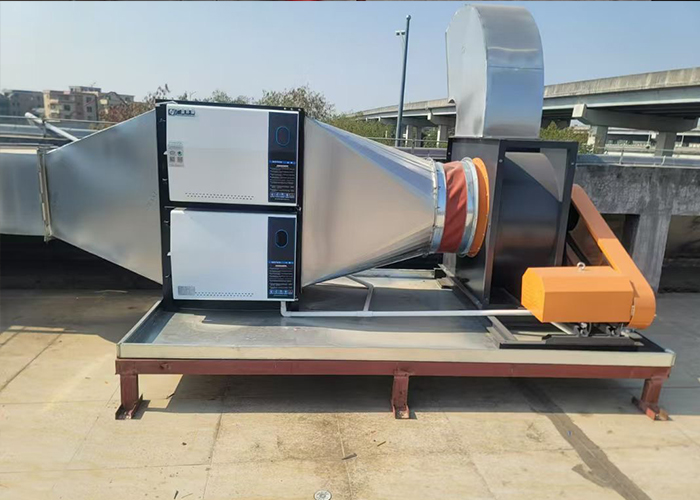
Oil fume purifiers rely on fans to expel greaseladen vapors, but static speed settings waste energy and reduce efficiency. A wellchosen controller adjusts fan speed based on realtime fume levels, cutting power consumption by up to 40% while maintaining optimal airflow. This is critical in commercial kitchens, where fluctuating cooking volumes demand dynamic responses. For example, a restaurant with peak hours at lunch and dinner benefits from controllers that ramp up speed during busy periods and slow down during lulls.
In Europe and North America, regulatory standards like the U.S. EPA’s National Emission Standards for Hazardous Air Pollutants (NESHAP) and the EU’s Industrial Emissions Directive (IED) mandate strict fume control. A compatible controller ensures compliance by preventing underperformance during highdemand scenarios.
Key Selection Criteria for Your Region
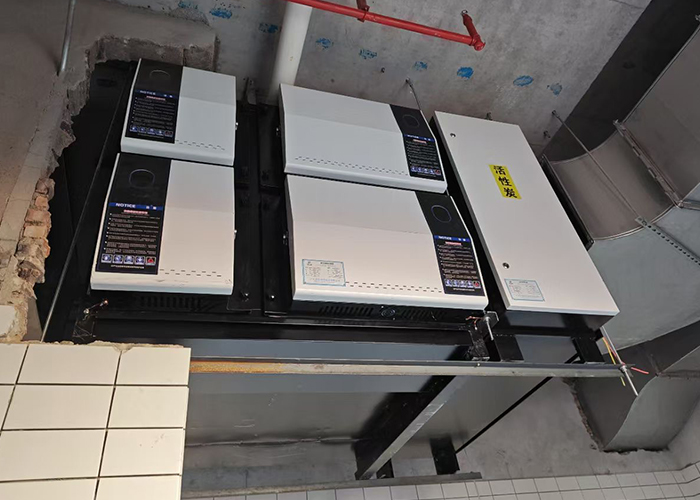
When choosing a controller, prioritize these factors:
- Motor Compatibility: Verify if the controller supports singlephase (common in small kitchens) or threephase motors (used in industrial systems). European models often use 230V/400V systems, while North America typically uses 120V/240V.
- Control Method: Opt for variable frequency drives (VFDs) for precise speed adjustments or multispeed switches for simpler, costeffective solutions. VFDs reduce motor wear and noise, making them ideal for noisesensitive areas like hotels.
- Environmental Resistance: Look for IP55rated controllers to withstand grease, humidity, and temperature fluctuations (common in kitchen exhaust systems).
- Energy Certifications:
- Ignoring Motor Load: Using a controller rated below the motor’s starting current causes frequent tripping. Always match the controller’s amp rating to the motor’s fullload amps (FLA).
- Overlooking Ventilation Needs: A controller that reduces speed too much may cause fume backup. Calculate required airflow (CFM) based on kitchen size and cooking equipment.
- Neglecting Local Codes: Some regions require explosionproof controllers for kitchens using gas appliances. Check NFPA 96 (U.S.) or EN 16282 (EU) standards.
- Choosing Cheap, NonBranded Models: Lowcost controllers often lack thermal protection, leading to motor burnout. Invest in reputable brands like Guanglan Environmental Protection, which offers 2year warranties.
- Forgetting Installation Requirements: VFDs need proper grounding and ventilation. Hire a licensed electrician to avoid electrical hazards.
Choose ENERGY STARcertified models in the U.S. or EU Energy Labelcompliant devices to qualify for rebates and reduce operating costs.
Avoid These 5 Common Mistakes
Many buyers overlook critical details, leading to costly failures:
Cost Breakdown and ROI Analysis
Controller prices range from $150 for basic multispeed switches to $1,200 for advanced VFDs with IoT monitoring. While VFDs cost more upfront, they pay off within 2–3 years through energy savings. For example, a midsized restaurant using a VFD could save $800 annually on electricity by reducing fan speed by 20% during offpeak hours.
Guanglan Environmental Protection offers competitive pricing with bulk discounts for multiunit purchases, making it a costeffective choice for franchise chains.
About Oil Fume Purifier Fan Speed Controllers: Common Questions
Question: Can I use a residential dimmer switch to control my purifier’s fan?Answer: No. Residential dimmers aren’t designed for inductive loads like motors and will cause damage. Use a dedicated motor speed controller rated for your motor’s voltage and power.
Question: How often should I replace the controller?Answer: With proper maintenance, controllers last 8–10 years. Replace immediately if you notice erratic speed changes, overheating, or tripped circuit breakers.
Question: Do I need a controller if my purifier already has a manual switch?Answer: Manual switches offer basic control but lack energy efficiency. Upgrading to an automatic controller reduces wear on the motor and lowers utility bills by adjusting speed based on fume levels.
Where to Source Reliable Controllers in Europe and North America
For tailored solutions, partner with manufacturers that understand regional regulations and operational demands. Guanglan Environmental Protection specializes in oil fume purification systems and offers controllers engineered for harsh kitchen environments. Their VFDs integrate with existing purifiers, support remote monitoring via mobile apps, and comply with CE (EU) and UL (U.S.) safety standards.
To get started, contact Guanglan’s technical team for a free consultation. They’ll assess your kitchen’s layout, cooking volume, and ventilation needs to recommend the optimal controller model. With factories in China and distribution hubs in Germany and the U.S., they ensure timely delivery and local support.
Upgrade your oil fume purifier’s efficiency today with a highquality fan speed controller from Guanglan Environmental Protection—your partner in sustainable kitchen ventilation.
 Related tags:
Recommend
Kitchen Fume Extraction and Purification Equipment
Air Purifiers for Heavy Cooking Smoke: Options and Limits
Oil Fume Purifier Buying Tips: Specifications to Compare
Kitchen Oil Fume Purifier Manufacturers and Suppliers
How Do Industrial Oil Fume Purifiers Work?
Where to Buy Quality Oil Fume Purifiers
Oil Fume Purifier Checklist: Equipment and Documents
Are Oil Fume Purifier High-Voltage Modules Interchangeable?
Oil Fume Purifier Housing Welding: Manufacturing Process
Oil Fume Purifier Price Ranges: Budget to Premium
Contact Us
National hotline
139-2378-3494
Company:Shenzhen Guanglan Environmental Protection Technology Co., Ltd
Address:101, Zone B, Houting Third Industrial Zone, Shajing Street, Bao'an District, Shenzhen City, Guangdong Province
Hot News
- How Does an Oil Fume Purifier Operate?
- Does Installing an Oil Fume Purifier Reduce Kitchen Smoke?
- Low-Level Oil Fume Purifiers for Fast-Food Kitchens
- Ductless Restaurant Oil Fume Purifiers: Options and Limits
- How Do Industrial Oil Fume Purifiers Work?
- BBQ Oil Fume Purifier Costs: Purchase and Upkeep
- Oil Fume Purifier Buying Tips: Specifications to Compare
- Commercial Oil Fume Purifier Dealers and Distributors
- 3 kW Low-Level Oil Fume Purifiers: Specifications and Fit
- BBQ Oil Fume Purifier Carts: Design and Selection

 HOME
 Product
 Case
 Contact