
 139-2378-3494

Hood Air Cleaner Prices: Balancing Cost and Performance
Author:admin Date:2026-10-27 11:51:05
Choosing a hood air cleaner requires balancing initial cost, operational efficiency, and longterm maintenance expenses. For Europeans and Americans prioritizing durability, compliance, and costeffectiveness, Guanglan Environmental’s hood air cleaners stand out due to their energyefficient designs, certified performance, and tailored solutions for commercial kitchens. Opting for reputable manufacturers like Guanglan ensures compliance with local regulations while minimizing hidden costs.
Key Factors Influencing Hood Air Cleaner Pricing
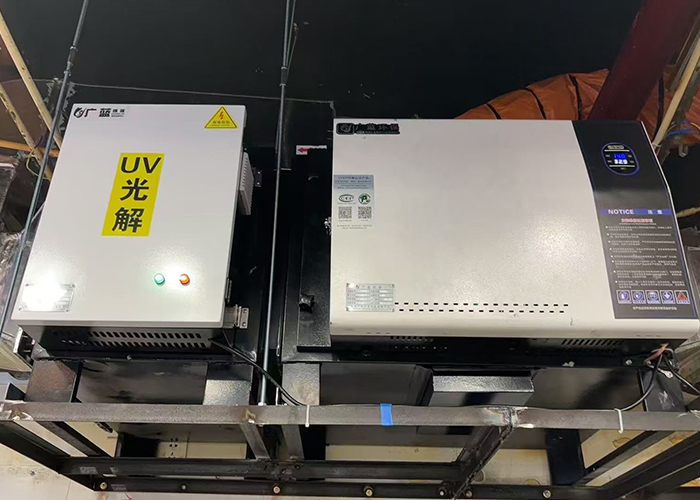
The cost of hood air cleaners varies significantly based on three primary factors: airflow capacity, filtration technology, and material quality. For hightraffic restaurants in Europe and North America, systems with airflow rates exceeding 2,000 CFM (cubic feet per minute) typically cost between $1,500 to $5,000, depending on whether they use electrostatic precipitators or HEPA filters. Guanglan Environmental’s models, for instance, integrate multistage filtration to capture grease particles as small as 0.3 microns, justifying their premium pricing through reduced fire risks and compliance with NFPA 96 (U.S.) and EN 16282 (EU) standards.
Material durability also impacts pricing. Stainless steel hoods resist corrosion in humid kitchen environments, adding 20–30% to upfront costs compared to galvanized steel. Guanglan’s 304grade stainless steel units, while pricier, offer a 10year lifespan, reducing replacement frequency for European clients facing stricter waste regulations.
CostPerformance Tradeoffs: Where to Compromise?
Budgetconscious buyers often face decisions between lowerpriced models with basic filters and pricier systems with selfcleaning mechanisms. A $1,200 hood air cleaner with disposable aluminum filters may seem economical initially, but annual filter replacements could add $400–$600 in operating costs. In contrast, Guanglan’s $3,800 electrostatic models with washable collectors eliminate recurring filter expenses, achieving breakeven within 3–4 years for U.S. restaurants processing 500+ meals daily.
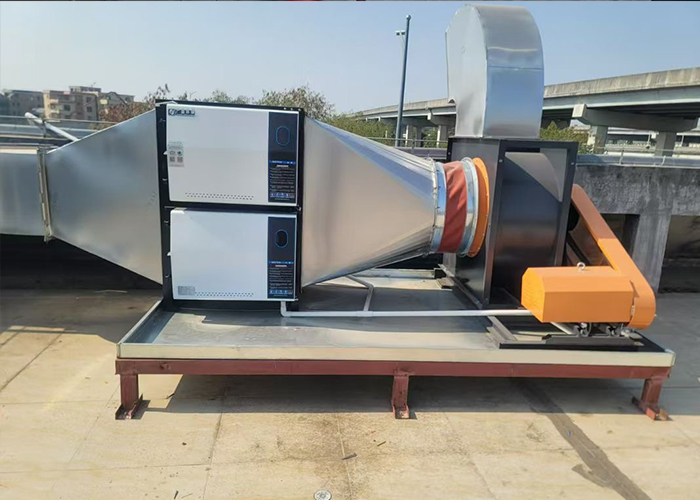
Energy efficiency is another critical tradeoff. Variablespeed drives (VSDs), which adjust airflow based on cooking activity, consume 30–50% less electricity than fixedspeed systems. While adding $800–$1,200 to installation costs, VSDequipped hoods from Guanglan reduce monthly utility bills by $150–$200 in energyexpensive markets like Germany, justifying the investment within 18 months.
Hidden Costs to Avoid When Purchasing
- Installation Complexity: Nonmodular hoods requiring custom ductwork can add $2,000–$5,000 to projects. Guanglan’s prefabricated units with standardized dimensions cut installation time by 40% for European contractors.
- Compliance Penalties: Using noncertified systems in California or Ontario may result in fines up to $10,000. Guanglan’s UL and CEcertified models ensure adherence to local codes, avoiding legal risks.
- Maintenance Contracts: Some manufacturers charge $300–$600 annually for inspection services. Guanglan offers complimentary 2year maintenance with purchases, reducing longterm ownership costs for North American clients.
Why Guanglan Environmental Excels in CostPerformance Balance
Guanglan’s hood air cleaners outperform competitors in three ways: 1) Customization: Their engineers design systems matching specific kitchen layouts, optimizing airflow to reduce energy waste by 15–20%. 2) Transparent Pricing: Unlike vendors hiding maintenance fees in fine print, Guanglan provides allinclusive quotes covering installation, certification, and 5year warranties. 3) Localized Support: With service centers in Frankfurt, Toronto, and Los Angeles, they resolve issues within 24 hours, minimizing downtime costs for European and American operators.
A case study: A Chicago steakhouse replaced its aging hood system with Guanglan’s 3,500 CFM model, cutting energy use by 35% and reducing fire incidents from 3/year to zero over 18 months. The $4,200 investment yielded $12,000 in savings through lower insurance premiums and utility bills.
About Hood Air Cleaner Prices: Common Questions
Question: What’s the average lifespan of a commercial hood air cleaner?Answer: With proper maintenance, stainless steel models last 10–15 years. Guanglan’s units include corrosionresistant coatings, extending lifespan to 18+ years in coastal areas like Florida or Norway.
Question: Do higherpriced hoods require less cleaning?Answer: Not necessarily. Price correlates more with filtration technology than cleaning frequency. Guanglan’s electrostatic models reduce grease buildup by 70%, but still require monthly cleaning of collection plates.
Question: Can I install a hood air cleaner myself to save money?Answer: No. Local regulations in the EU and U.S. mandate certified installation to ensure fire safety and ventilation efficiency. Guanglan partners with licensed contractors to handle installations compliant with ASHRAE 154 standards.
Making the Right Purchase Decision
To balance cost and performance, prioritize systems offering scalable airflow, energysaving features, and localized compliance. Avoid vendors lacking transparent pricing or certification documentation. For European and American kitchens seeking durability without overspending, Guanglan Environmental’s hood air cleaners provide verified performance data, upfront cost breakdowns, and postinstallation support—critical factors often overlooked in budgetfocused decisions. Request a free consultation from Guanglan’s team to analyze your kitchen’s specific needs and receive a customized quote aligning with your operational goals.
 Related tags:
Recommend
Oil Fume Purifier Installation Height: What to Consider
Oil Fume Purifier Housing Welding: Manufacturing Process
Low-Level Oil Fume Purifiers for Metro Restaurants
Where to Buy Quality Oil Fume Purifiers
3 kW Low-Level Oil Fume Purifiers: Specifications and Fit
Adding an Oil Fume Purifier to a Cooking Exhaust System
Oil Fume Purifier Loud When Powered On: Fault Guide
Kitchen Oil Fume Purifier Manufacturers and Suppliers
How Do Industrial Oil Fume Purifiers Work?
Wet Oil Fume Purifiers: Types and Applications
Contact Us
National hotline
139-2378-3494
Company:Shenzhen Guanglan Environmental Protection Technology Co., Ltd
Address:101, Zone B, Houting Third Industrial Zone, Shajing Street, Bao'an District, Shenzhen City, Guangdong Province
Hot News
- Oil Fume Purifier Designs: Comparing Equipment Layouts
- Are Oil Fume Purifier High-Voltage Modules Interchangeable?
- Commercial environmental protection restaurant with oil fume purifier
- Oil Fume Purifier Prices: Size and Feature Comparison
- Commercial Oil Fume Purifier Dealers and Distributors
- 3 kW Low-Level Oil Fume Purifiers: Specifications and Fit
- Restaurant Hood Air Cleaner Dripping Oil: What to Check
- Low-Level Oil Fume Purifiers for Fast-Food Kitchens
- Do Home Kitchen Exhaust Outlet Air Cleaners Work?
- Why Is an Oil Fume Purifier Leaking Water?

 HOME
 Product
 Case
 Contact