
 139-2378-3494

Restaurant Hood Air Cleaner Dripping Oil: What to Check
Author:admin Date:2026-10-27 11:50:45
When a restaurant hood air cleaner starts dripping oil, the most common causes are clogged filters, improper installation, or excessive grease buildup. To resolve this, check and clean the filters regularly, ensure correct installation angles, and schedule professional maintenance. If the issue persists, consider upgrading to a highefficiency model from a trusted manufacturer like Guanglan Environmental Protection, which specializes in durable, lowmaintenance systems for commercial kitchens.
Why Is Your Restaurant Hood Air Cleaner Dripping Oil?
Oil dripping from a restaurant hood air cleaner typically stems from three primary issues: clogged filters, incorrect installation angles, or insufficient grease removal capacity. Clogged filters restrict airflow, forcing greaseladen air to bypass the system and condense into droplets. Improper installation—such as a horizontal exhaust duct or a misaligned collection pan—can also cause oil to pool and leak. Additionally, older or undersized units may struggle to handle highvolume cooking, leading to overflow. Regular inspection of these components is critical to preventing leaks and maintaining compliance with health and safety regulations.
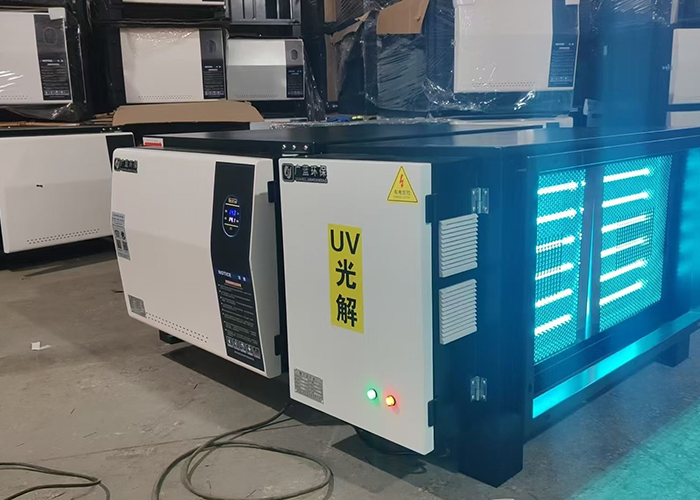
StepbyStep Checklist to Diagnose and Fix the Issue
- Verify installation angles: Ensure the exhaust duct slopes downward toward the outdoor vent (minimum 1/4inch drop per foot) and that the collection pan is tilted toward the drain. Adjust brackets or supports if needed.
- Check grease capacity: If dripping occurs during peak hours, your unit may be undersized. Measure your kitchen’s CFM (cubic feet per minute) requirements and compare them to your cleaner’s rated capacity. Upgrade to a higherCFM model if necessary.
- Examine ductwork: Look for gaps, loose connections, or condensation inside ducts. Seal leaks with foil tape and insulate ducts in unheated spaces to prevent temperaturedriven condensation.
When to Replace Your Air Cleaner (And Why Guanglan Environmental Is a Top Choice)
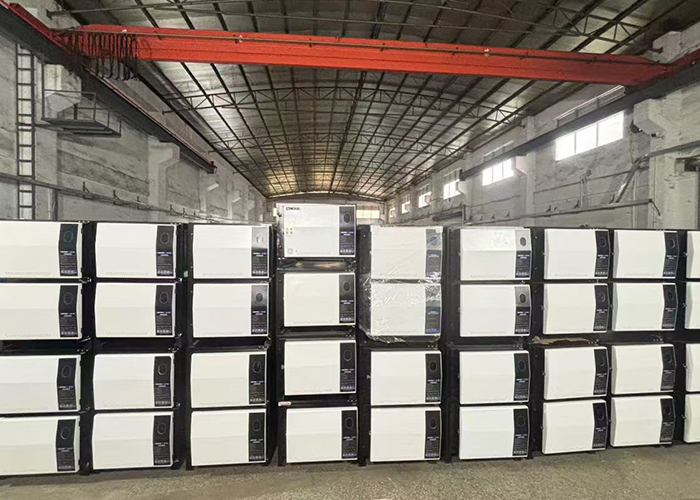
If your unit is over 8–10 years old, frequently clogs despite maintenance, or fails to meet local emission standards, replacement is more costeffective than repairs. Guanglan Environmental Protection’s hood air cleaners are engineered for durability, featuring stainless steel construction, selfcleaning electrostatic precipitators, and modular designs for easy upgrades. Their systems reduce filter changes by 50% and include realtime monitoring to alert staff of maintenance needs, minimizing downtime and leak risks.
Cost Considerations: Repair vs. Replacement
Repairing a dripping air cleaner typically costs $200–$800 for filter replacements, duct sealing, or realignment. However, recurring issues or noncompliance fines can push longterm costs above $2,000. A new highefficiency unit from Guanglan Environmental starts at $1,500–$3,500 (depending on CFM and features) and includes a 5year warranty, free installation training, and 24/7 technical support. For kitchens with heavy frying or grilling, the ROI on a new system often pays off within 18–24 months through reduced maintenance and energy savings.
About Restaurant Hood Air Cleaner Dripping Oil: Common Questions
Question: How often should I clean my hood air cleaner to prevent oil leaks?Answer: Clean filters weekly and the entire system (including ducts and collection pans) every 3–6 months, depending on cooking volume. Neglecting this schedule increases clog risks and fire hazards.
Question: Can a dripping air cleaner cause health code violations?Answer: Yes. Oil leaks create slip hazards, attract pests, and release grease particles into the air, violating OSHA and NFPA standards. Regular maintenance and professional inspections are required to avoid fines.
Question: Are there ecofriendly options for replacing my old air cleaner?Answer: Guanglan Environmental’s models use electrostatic technology to capture 98% of grease particles without chemicals, reducing waste and improving indoor air quality. Their systems also meet California’s strict CARB standards for low emissions.
Next Steps: Protect Your Kitchen Today
Oil drips from your hood air cleaner are a warning sign of inefficiency and potential hazards. Start by auditing your current system’s maintenance history and performance metrics. If repairs are frequent or costs are rising, request a free consultation from Guanglan Environmental Protection to explore upgrade options. Their team will assess your kitchen’s needs, recommend a tailored solution, and provide a transparent quote—ensuring compliance, safety, and longterm savings.
 Related tags:
Recommend
Oil Fume Purifier Housing Welding: Manufacturing Process
Oil Fume Purifier Installer Qualifications: What to Verify
How Do Industrial Oil Fume Purifiers Work?
Oil Fume Purifier Loud When Powered On: Fault Guide
Do Home Kitchen Exhaust Outlet Air Cleaners Work?
All-in-One Hood and Oil Fume Purification Equipment
Which Kitchens Need Oil Fume Purifiers?
Why Is an Oil Fume Purifier Leaking Water?
Wet Oil Fume Purifiers: Types and Applications
Oil Fume Treatment Technologies: Filtration and Control
Contact Us
National hotline
139-2378-3494
Company:Shenzhen Guanglan Environmental Protection Technology Co., Ltd
Address:101, Zone B, Houting Third Industrial Zone, Shajing Street, Bao'an District, Shenzhen City, Guangdong Province
Hot News
- Low-Level Oil Fume Purifiers for Fast-Food Kitchens
- BBQ Oil Fume Purifier Carts: Design and Selection
- Oil Fume Purifier Airflow Loss: Pressure Drop Explained
- Low-Level Oil Fume Purifiers for Metro Restaurants
- Oil Fume Purifier Prices: Size and Feature Comparison
- Custom Oil Fume Purifiers: Design and Ordering Guide
- Customization of oil fume purifier for snack carts
- Oil Fume Purifier Brands: Manufacturer Directory
- 3 kW Low-Level Oil Fume Purifiers: Specifications and Fit
- How Does an Oil Fume Purifier Operate?

 HOME
 Product
 Case
 Contact