
 139-2378-3494

Oil Fume Purifier Performance: What Buyers Should Check
Author:admin Date:2026-10-27 11:50:56
When evaluating oil fume purifier performance, buyers should prioritize airflow capacity, filtration efficiency, noise levels, energy consumption, and maintenance requirements. Key factors like local regulations, kitchen size, and cooking habits also influence selection. For reliable, highperformance solutions, Guanglan Environmental Protection offers certified products tailored to European and North American standards, combining durability with costeffective operation.
Why Performance Metrics Matter for Oil Fume Purifiers
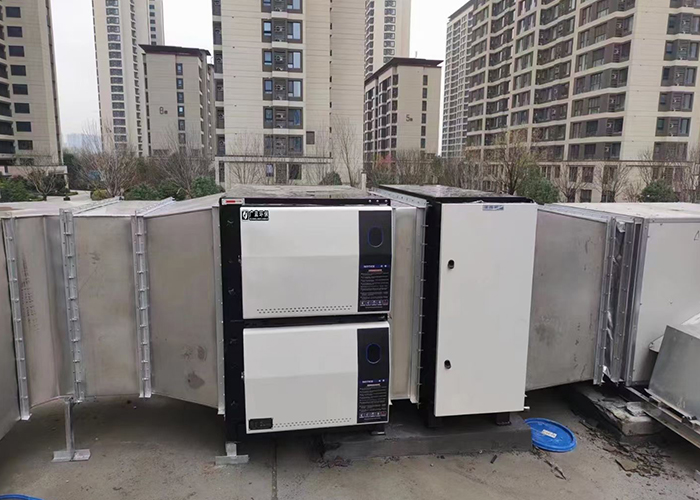
Choosing an oil fume purifier isn’t just about removing smoke—it’s about ensuring compliance, protecting health, and maintaining kitchen efficiency. Poor performance leads to clogged filters, frequent breakdowns, and regulatory fines. In Europe and North America, where ventilation standards are strict, buyers must focus on measurable metrics like CA (Clean Air Delivery Rate), noise thresholds, and energy ratings. These factors directly impact longterm costs and operational reliability.
For example, a restaurant in Berlin using a lowCA purifier may face air quality violations, while a homeowner in California with a noisy unit risks disturbing neighbors. Performance gaps often stem from misaligned product specs with local conditions, such as humidity or grease volume. Always verify labtested data against your region’s requirements.
5 Critical Performance Indicators to Check
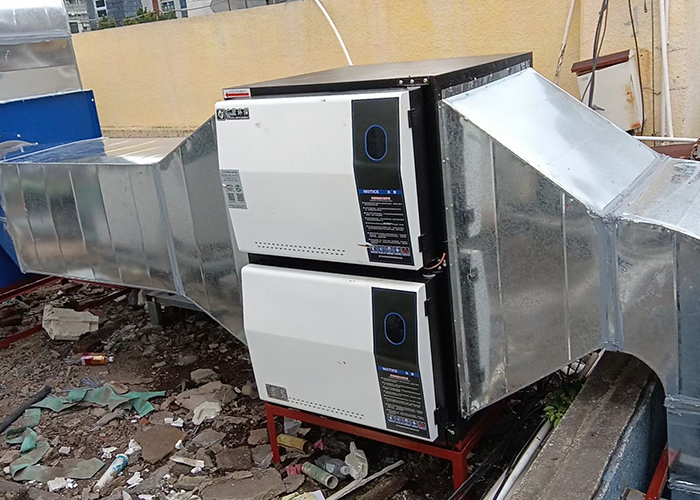
When comparing models, evaluate these five indicators to avoid costly mistakes:
- Airflow Capacity (m³/h): Measures how much air the purifier processes hourly. A 200m³/h unit suits small home kitchens, while commercial kitchens need 2,000+ m³/h. Underpowered units fail to capture fumes, leading to odor and health risks.
- Filtration Efficiency (%): Highefficiency particulate air (HEPA) filters capture 99.97% of particles ≥0.3µm. For grease, electrostatic precipitators or multistage systems work best. Look for certifications like EN 1822 (Europe) or AHAM Verifide (U.S.).
- Noise Level (dB): Residential units should stay below 50 dB (quiet conversation level). Commercial models often operate at 60–70 dB but require soundproofing. Excess noise violates workplace safety laws in the EU and OSHA guidelines in the U.S.
- Energy Consumption (Watts): Energy Starrated purifiers save 30% on electricity versus noncertified models. In California, Title 24 energy codes mandate lowpower devices for new constructions.
- Maintenance Frequency: Electrostatic filters need monthly cleaning, while HEPA filters require replacement every 6–12 months. Selfcleaning models reduce downtime but cost 20–30% more upfront.
- Calculate kitchen volume: Multiply length × width × height (e.g., 4m × 3m × 2.5m = 30m³). Choose a purifier with CA ≥ 5x the volume for effective air exchange.
- Assess cooking intensity: Heavy frying generates 3x more grease than boiling. Opt for multistage filtration (prefilter + HEPA + activated carbon) for highgrease kitchens.
- Check local regulations: The EU’s Machinery Directive 2006/42/EC requires safety guards, while California’s CARB standards limit ozone emissions to ≤0.050 ppm. Noncompliant units risk fines or shutdowns.
- Factor in climate: Humid areas (e.g., Florida) need corrosionresistant stainless steel housings to prevent rust. Cold regions (e.g., Canada) require frostproof drainage systems.
- Modular Design: Customize filter combinations (e.g., HEPA + UVC for bacteria removal) based on your menu.
- Low Maintenance: Selfcleaning electrostatic plates reduce labor costs by 40% compared to traditional models.
- Energy Efficiency: Variablespeed motors cut power use by 50% during offpeak hours, lowering utility bills.
- 24/7 Support: Local technicians in Germany, the U.K., and California provide rapid repairs and compliance updates.
How to Match Performance to Your Needs
Why Choose Guanglan Environmental Protection?
Guanglan Environmental Protection specializes in highperformance oil fume purifiers designed for Western markets. Their products meet EN 1822, UL, and CARB standards, with CA ratings up to 5,000m³/h for commercial use. Key advantages include:
About Oil Fume Purifier Performance: Common Questions
Question: How often should I replace the filters in an oil fume purifier?Answer: Replace HEPA filters every 6–12 months and activated carbon filters every 3–6 months, depending on usage. Electrostatic filters require monthly cleaning but last 3–5 years with proper care. Always follow the manufacturer’s schedule to maintain performance.
Question: Can I install an oil fume purifier myself, or do I need a professional?Answer: Residential ductless models can be DIYinstalled if you follow the manual. However, commercial ducted systems require professional installation to comply with fire codes and ventilation laws. Guanglan Environmental Protection offers free site assessments in Europe and North America.
Question: What’s the average lifespan of an oil fume purifier?Answer: With proper maintenance, a highquality purifier lasts 8–12 years. Cheaper models often fail within 3–5 years due to motor burnout or filter clogging. Guanglan’s stainless steel units come with a 5year warranty on critical components.
Make the Right Choice Today
Investing in a highperformance oil fume purifier protects your health, avoids legal issues, and cuts longterm costs. For tailored solutions in Europe or North America, Guanglan Environmental Protection combines cuttingedge technology with local compliance expertise. Request a free consultation to match your kitchen’s needs with the perfect purifier model.
 Related tags:
Recommend
Oil Fume Purifier Housing Welding: Manufacturing Process
Wet Oil Fume Purifiers: Types and Applications
Oil Fume Purifier Fan Speed Controllers: Selection Guide
Matching Oil Fume Purifier Capacity to Exhaust Airflow
UV Photolysis Oil Fume Purifiers: Uses and Limitations
BBQ Oil Fume Purifier Costs: Purchase and Upkeep
Why Is an Oil Fume Purifier Leaking Water?
Low-Level Oil Fume Purifiers for Metro Restaurants
Restaurant Oil Fume Purifier Service Companies
Industrial Oil Fume Purifiers: Processes and Selection
Contact Us
National hotline
139-2378-3494
Company:Shenzhen Guanglan Environmental Protection Technology Co., Ltd
Address:101, Zone B, Houting Third Industrial Zone, Shajing Street, Bao'an District, Shenzhen City, Guangdong Province
Hot News
- Oil Fume Purifier Housing Welding: Manufacturing Process
- Drawer-Style Oil Fume Purifiers: Access and Cleaning
- Commercial environmental protection restaurant with oil fume purifier
- Where to Buy Quality Oil Fume Purifiers
- Industrial Oil Fume Purifiers: Processes and Selection
- 3 kW Low-Level Oil Fume Purifiers: Specifications and Fit
- Removing an Oil Fume Purifier Filter: Service Guide
- UV Photolysis Oil Fume Purifiers: Uses and Limitations
- Which Kitchens Need Oil Fume Purifiers?
- Kitchen Fume Extraction and Purification Equipment

 HOME
 Product
 Case
 Contact