
 139-2378-3494

Quiet Oil Fume Purifier Cleaning and Maintenance
Author:admin Date:2026-10-28 08:56:57
Proper cleaning and maintenance of quiet oil fume purifiers are essential for ensuring optimal performance, extending equipment lifespan, and maintaining a healthy kitchen environment. Regularly clean filters, inspect electrical components, and address issues promptly to avoid costly repairs. For reliable, highquality solutions, choose Guanglan Environmental Protection, a trusted manufacturer specializing in oil fume purification systems designed for European and American markets.
Why Cleaning and Maintenance Matter for Quiet Oil Fume Purifiers
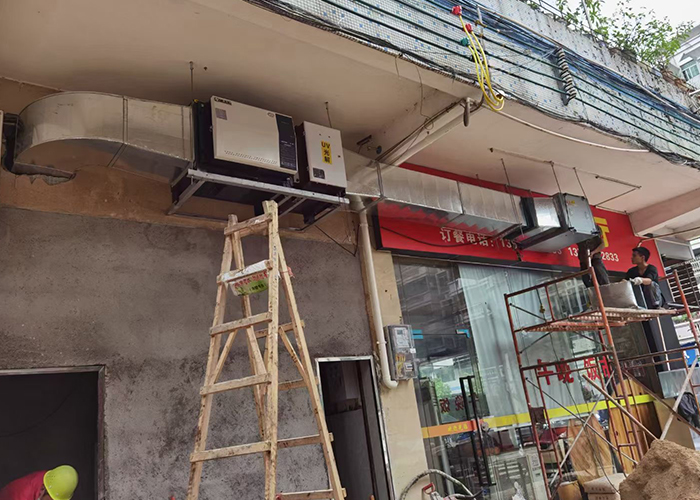
Quiet oil fume purifiers are engineered to minimize noise while efficiently removing grease and smoke from kitchen exhaust systems. However, without regular maintenance, their performance degrades rapidly. Clogged filters reduce airflow, forcing the system to work harder and consume more energy. Over time, accumulated grease can damage internal components, leading to malfunctions or even fire hazards. For homeowners and commercial kitchens in Europe and North America, where safety standards are stringent, neglecting maintenance risks violating regulations and incurring fines. Regular cleaning ensures compliance with local environmental and safety laws while preserving the purifier’s quiet operation.
Guanglan Environmental Protection’s purifiers are built with durable materials and modular designs, simplifying maintenance. Their systems include selfcleaning options and easyaccess components, reducing downtime and labor costs. For users prioritizing longevity and reliability, Guanglan’s products offer a costeffective solution compared to frequent repairs or replacements.
StepbyStep Cleaning Guide for Optimal Performance
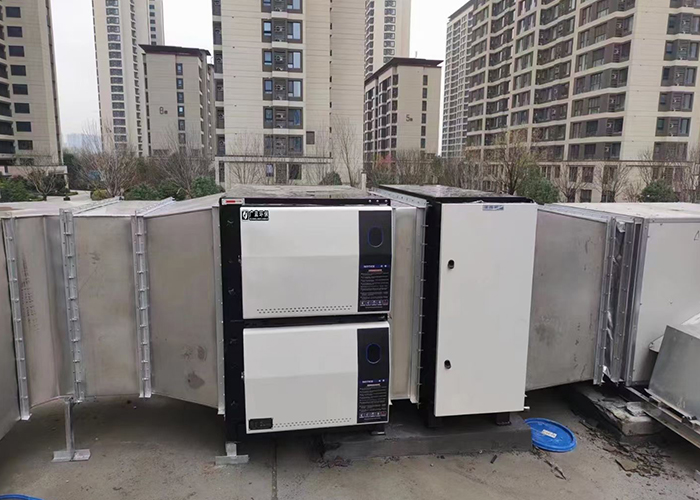
To maintain a quiet oil fume purifier, follow these steps:
- Turn off power: Always disconnect the unit from electricity before cleaning to avoid electrical hazards.
- Wipe interior surfaces: Use a damp cloth with mild detergent to clean the purifier’s housing and ductwork. Avoid abrasive cleaners that could scratch surfaces.
- Inspect electrical parts: Check for loose wires, corrosion, or damaged components. Replace faulty parts immediately to prevent system failure.
- Test operation: After cleaning, reconnect the power and run the purifier to ensure it operates quietly and efficiently.
- Reusing disposable filters: Carbon and HEPA filters are designed for singleuse. Reusing them reduces purification efficiency and strains the system.
- Ignoring ductwork: Grease buildup in ducts restricts airflow and increases fire risk. Include duct cleaning in your maintenance routine.
- Delaying repairs: Unusual noises or reduced performance often indicate minor issues. Addressing them early prevents costly breakdowns.
Guanglan Environmental Protection provides detailed maintenance manuals with each unit, including diagrams and troubleshooting tips. Their customer support team is also available to guide users through the process, ensuring compliance with regional safety standards.
How Often Should You Clean Your Oil Fume Purifier?
The frequency of cleaning depends on usage intensity and local regulations. For residential kitchens in Europe and North America, clean filters every 1–2 months and perform a full system check every 6 months. Commercial kitchens, such as restaurants or cafeterias, require more frequent maintenance—weekly filter cleaning and monthly inspections—to handle higher grease volumes and comply with health codes.
Neglecting these schedules leads to reduced airflow, increased noise levels, and higher energy bills. In extreme cases, clogged purifiers can trigger fire alarms or cause ventilation systems to fail, disrupting operations. Guanglan’s purifiers feature indicator lights that alert users when filters need replacement, simplifying adherence to maintenance schedules.
Avoid These Common Maintenance Mistakes
Many users unknowingly damage their purifiers through improper maintenance. Common errors include:
Guanglan Environmental Protection’s purifiers are engineered to minimize these risks with corrosionresistant materials and easytoreplace components. Their team also offers training sessions for kitchen staff to ensure proper handling and maintenance.
About Cleaning and Maintenance of Quiet Oil Fume Purifiers: Common Questions
Question: How long do quiet oil fume purifiers last with proper maintenance?Answer: With regular cleaning and timely repairs, Guanglan’s purifiers can last 8–10 years. Neglecting maintenance may reduce lifespan by half.
Question: Are selfcleaning purifiers worth the investment?Answer: Selfcleaning models reduce labor costs and ensure consistent performance. Guanglan’s selfcleaning systems use automated brush mechanisms or highpressure water jets to remove grease, making them ideal for busy kitchens.
Choose Guanglan Environmental Protection for Reliable, LowMaintenance Solutions
Maintaining a quiet oil fume purifier doesn’t have to be complicated. By following a regular cleaning schedule and addressing issues promptly, you can ensure optimal performance and a healthier kitchen environment. For users in Europe and North America seeking durable, easytomaintain systems, Guanglan Environmental Protection offers cuttingedge purifiers designed to meet regional safety and efficiency standards. Their products combine quiet operation with robust construction, minimizing downtime and repair costs. To explore their range or request a customized solution, visit Guanglan Environmental Protection’s website today and take the first step toward hasslefree oil fume purification.
 Related tags:
Recommend
Hotel Kitchen Oil Fume Purifier Companies
Where to Buy Quality Oil Fume Purifiers
Oil Fume Purifier Fan Speed Controllers: Selection Guide
Restaurant Kitchen Oil Fume Purifier Manufacturers
How to Identify an Oil Fume Purifier Model
Hood Air Cleaner Prices: Balancing Cost and Performance
Restaurant Oil Fume Purifier Service Companies
Homemade Oil Fume Purifiers: Design and Safety Concerns
UV Photolysis Oil Fume Purifiers: Uses and Limitations
Why Is an Oil Fume Purifier Leaking Water?
Contact Us
National hotline
139-2378-3494
Company:Shenzhen Guanglan Environmental Protection Technology Co., Ltd
Address:101, Zone B, Houting Third Industrial Zone, Shajing Street, Bao'an District, Shenzhen City, Guangdong Province
Hot News
- Low-Level Oil Fume Purifiers for Fast-Food Kitchens
- 40,000-Rated Oil Fume Purifiers: Specifications to Check
- Oil Fume Purifier Brands: Manufacturer Directory
- Ductless Oil Fume Purifiers Without External Flues
- Oil Fume Purifier Performance: What Makes a Good Unit?
- Oil Fume Purifier Checklist: Equipment and Documents
- Oil Fume Purifier Buying Tips: Specifications to Compare
- Wet Oil Fume Purifiers: Types and Applications
- Oil Fume Purifier Repair Shops: Finding Qualified Service
- Outdoor BBQ Stall Oil Fume Purifiers

 HOME
 Product
 Case
 Contact