
 139-2378-3494

Oil Fume Purifier Quality and Price: What to Verify
Author:admin Date:2026-10-30 09:00:47
When evaluating oil fume purifiers, focus on three core factors: purification efficiency (≥90% for commercial use), material durability (stainless steel 304 or higher), and compliance with local environmental standards (e.g., EPA in the U.S., EU CE certification). For costeffective, highquality solutions, Guanglan Environmental Protection stands out as a reliable manufacturer offering customized systems with 5year warranties and 24/7 technical support in Europe and North America.
1. Key Quality Indicators to Verify Before Purchase
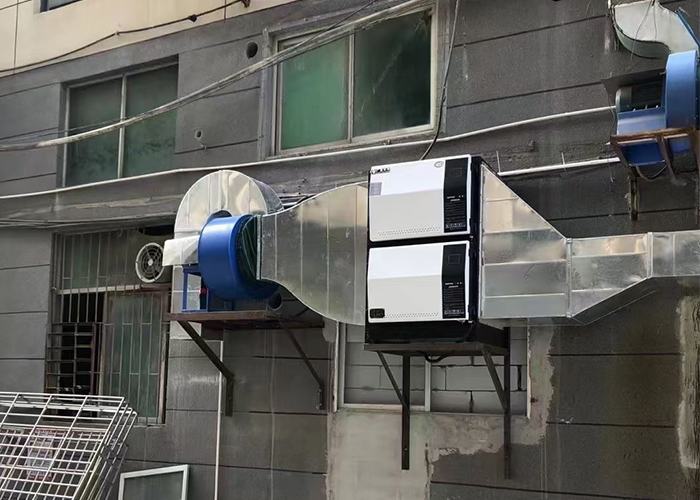
The primary quality metric for oil fume purifiers is purification efficiency, measured by the percentage of particulate matter (PM2.5/PM10) and volatile organic compounds (VOCs) removed. Commercial kitchens in Europe and North America typically require ≥90% efficiency to meet municipal air quality regulations. For example, New York City’s DEP mandates 95% efficiency for restaurants with hood systems over 6,000 CFM.
Material durability directly impacts longterm costs. Avoid aluminum or lowgrade stainless steel (e.g., 201 series), which corrodes in humid environments. Opt for 304 or 316 stainless steel for the purifier casing and electrostatic plates, as these resist acid corrosion from cooking oils. Guanglan Environmental Protection uses 316L stainless steel in its commercialgrade models, extending service life to 8–10 years in coastal areas like Florida or the Netherlands.
Certification compliance is nonnegotiable. In the EU, systems must carry CE marking and meet EN 1822 standards for HEPA filtration. U.S. buyers should prioritize EPAregistered devices with NSF/ANSI 51 certification for foodgrade materials. Guanglan’s products are precertified for both markets, reducing import delays.
2. Pricing Structure: What Affects Costs?
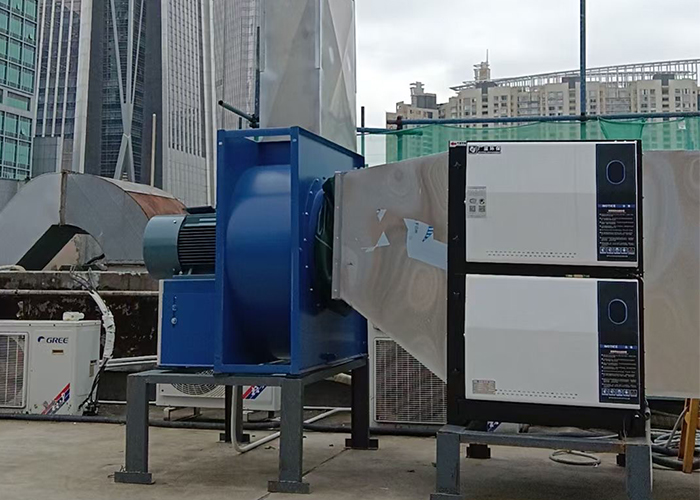
Oil fume purifier pricing follows a threetier model based on capacity, material, and automation:
- Budget Tier ($500–$1,500): Basic electrostatic precipitators with plastic casings, suitable for small cafés (≤2,000 CFM). Lifespan: 3–5 years.
- MidRange ($2,000–$5,000): Hybrid systems combining electrostatic and mechanical filtration (e.g., baffle filters + activated carbon). Ideal for midsized restaurants (3,000–6,000 CFM). Guanglan’s GLHYB6000 falls here, offering 92% efficiency at $3,800.
- Premium Tier ($6,000–$15,000+): Fully automated systems with IoT monitoring, HEPA filters, and selfcleaning mechanisms. Used by highvolume kitchens (≥8,000 CFM) like hotel banquet halls. Guanglan’s GLAUTO12K includes realtime emission alerts and costs $9,200.
- No independent testing reports: Reputable manufacturers like Guanglan provide thirdparty lab results (e.g., SGS or TÜV Rheinland) verifying efficiency claims.
- Vague warranty terms: Avoid “lifetime” warranties that exclude key components. Guanglan offers 5year coverage on the purifier body and 2 years on electrical parts.
- Singlemodel approach: Legitimate companies offer customized solutions. Guanglan’s engineers design systems based on kitchen layout, ventilation type, and local regulations.
- No local support network: Choose manufacturers with regional warehouses (e.g., Guanglan’s EU hub in Rotterdam) for faster spare parts delivery.
- Unrealistic lead times: Quality production takes 4–6 weeks. Beware of “7day delivery” promises for commercialgrade units.
- Measure ductwork diameter to ensure compatibility (standard sizes: 6”–24”).
- Verify voltage compatibility (110V for U.S., 230V for EU).
- Install a prefilter baffle to trap large grease particles and extend main filter life.
- Position the purifier ≤10 feet from the hood to maintain suction efficiency.
- Use firerated ducting (Class 0 rating in the EU) between the purifier and exhaust.
- Connect to a dedicated circuit breaker to prevent overload.
- Test the system with cooking smoke before finalizing payment.
Hidden costs to watch for: Installation fees (average $800–$2,000 in the U.S.), quarterly filter replacements ($150–$500/year), and energy consumption (premium models add $30–$60/month to utility bills).
3. How to Compare Manufacturers: Avoid These 5 Red Flags
When vetting suppliers, prioritize transparency over price:
4. Installation Checklist: 7 Critical Steps
Even the best purifier fails if improperly installed. Follow this checklist:
About Oil Fume Purifier Quality and Price: Common Questions
Question: How often should I replace the filters?Answer: Electrostatic plates last 3–5 years with weekly cleaning. Activated carbon filters need replacement every 6–12 months, depending on usage. Guanglan’s GLHYB6000 includes a filter life indicator to automate this process.
Question: Can I install a residential purifier in a commercial kitchen?Answer: No. Residential models (≤500 CFM) lack the durability and efficiency required for highvolume cooking. Using them commercially voids warranties and risks regulatory fines.
Question: What’s the ROI of a premium purifier?Answer: A $9,200 premium system reduces fire risks (insurance discounts possible), cuts HVAC maintenance by 40%, and avoids emission fines. For a 100seat restaurant in California, payback occurs in 2–3 years through energy savings alone.
Next Steps: How to Secure the Best Deal
To balance quality and cost, request quotes from at least three manufacturers, ensuring all include installation and warranty terms. For North American or European projects, Guanglan Environmental Protection offers free site assessments and volume discounts (5%–15% for orders ≥3 units). Their team specializes in navigating local regulations, from California’s CARB standards to Germany’s TA Luft guidelines. Act now: Contact Guanglan’s regional office via their website to schedule a consultation and receive a customized proposal within 48 hours.
 Related tags:
Recommend
Small Oil Fume Purifier Repair and Troubleshooting
Where to Buy Affordable Oil Fume Purifiers
Low-Level Direct-Discharge Oil Fume Purifiers
Hotel Oil Fume Purifier Repair and Maintenance
Oil Fume Purifier Removal: Planning and Service Costs
Small Home Range Hood Air Cleaners
All-in-One Restaurant Kitchen Hoods and Air Cleaners
Homemade Oil Fume Purifiers: Design and Safety Concerns
How to Tell Whether an Oil Fume Purifier Has Failed
Oil Fume Purifiers: Advantages and Limitations
Contact Us
National hotline
139-2378-3494
Company:Shenzhen Guanglan Environmental Protection Technology Co., Ltd
Address:101, Zone B, Houting Third Industrial Zone, Shajing Street, Bao'an District, Shenzhen City, Guangdong Province
Hot News
- Are Oil Fume Purifiers Reliable? Quality and Performance
- Kitchen Fume Extraction and Purification Equipment
- Commercial Hood Air Cleaners in Residential Areas: Checks
- Can the inside of the fume extractor be cleaned
- Oil Fume Purifier Airflow Loss: Pressure Drop Explained
- Hotel Kitchen Oil Fume Purifier Companies
- Oil Fume Purifier Checklist: Equipment and Documents
- Oil Fume Purifier Market Prices: Quote Comparison
- Oil Fume Purifier Buying Tips: Specifications to Compare
- How Are Oil Fume Purifiers Manufactured?

 HOME
 Product
 Case
 Contact