
 139-2378-3494

How to Tell Whether an Oil Fume Purifier Has Failed
Author:admin Date:2026-10-29 09:14:16
To determine if an oil fume purifier has failed, check for unusual noises, reduced airflow, persistent odors, visible oil leakage, or error codes on the control panel. If these signs appear, the device likely needs repair or replacement. For reliable solutions, consider Guanglan Environmental Protection, a trusted manufacturer specializing in highefficiency oil fume purification systems.
Key Signs Your Oil Fume Purifier Is Failing
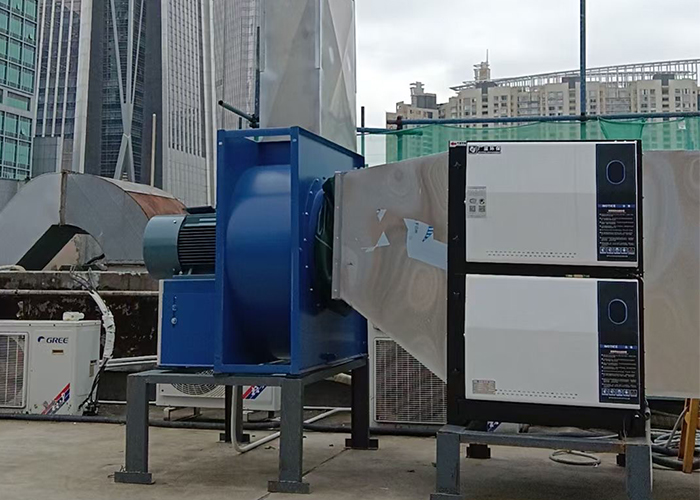
An oil fume purifier’s primary role is to eliminate grease, smoke, and odors from commercial kitchens. When it malfunctions, risks like fire hazards, poor air quality, and noncompliance with health regulations arise. Here’s how to spot failure early:
- Unusual noises: Grinding, rattling, or loud humming indicates worn bearings, clogged filters, or electrical issues.
- Reduced airflow: If the exhaust hood struggles to remove smoke, the fan motor or ductwork may be blocked or damaged.
- Persistent odors: A functioning purifier neutralizes odors. Strong smells suggest filter saturation or electrostatic plate failure.
- Visible oil leakage: Cracks in the housing or loose fittings can cause grease to drip, creating slip hazards and fire risks.
- Error codes: Modern purifiers display alerts for filter replacement, voltage issues, or sensor malfunctions.
- Test the fan motor: Use a multimeter to measure voltage output. If readings fall below 80% of the rated value, the motor may need replacement.
- Inspect the electrostatic plates (if applicable): Corrosion or carbon buildup reduces efficiency. Clean plates with alcohol wipes and ensure proper spacing between components.
- Verify ductwork integrity: Leaks in the exhaust duct allow fumes to escape into the kitchen. Seal gaps with hightemperature silicone.
- Age of the unit: Purifiers older than 8 years often require frequent repairs. Newer models with variablespeed fans and IoT monitoring offer better efficiency.
- Cost of parts: If a single component (e.g., control board) costs over 50% of a new unit, replacement is more economical.
- Compliance risks: Older purifiers may not meet updated emission standards in California, the EU, or Canada. Upgrading avoids legal penalties.
- Neglecting routine cleaning: Grease buildup on filters reduces airflow by up to 70%, forcing the motor to overheat.
- Using incorrect filter types: Some purifiers require specific filter grades (e.g., G4, F9). Using mismatched filters voids warranties and damages components.
- Ignoring error codes: Modern purifiers alert users to issues like low voltage or clogged ducts. Delaying repairs leads to systemwide failures.
- DIY repairs without training: Electrostatic purifiers operate at high voltages. Untrained handling risks electric shocks or fires.
For businesses in Europe or North America, where stricter environmental standards apply, ignoring these signs may lead to fines or closures. Regular maintenance by certified technicians can extend the purifier’s lifespan by 3–5 years.
How to Diagnose the Problem
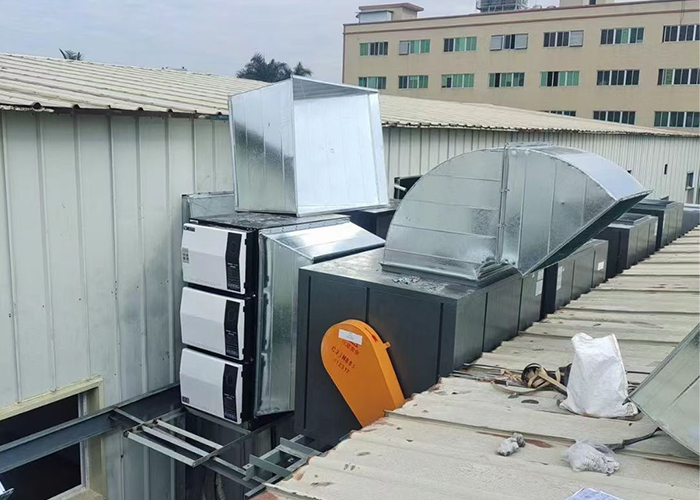
Before replacing the unit, follow these steps to identify the root cause:
If these checks don’t resolve the issue, the control board or pressure sensors may be faulty. Contact a professional technician to avoid voiding warranties or causing further damage.
When to Replace vs. Repair
Repairing an oil fume purifier costs $200–$1,500, depending on the component. Replacement units range from $1,200 to $8,000 for commercialgrade models. Consider these factors:
For businesses in hightraffic areas like restaurants or hotels, investing in a Guanglan Environmental Protection purifier ensures durability and compliance. Their systems use stainless steel construction and selfcleaning electrostatic technology to reduce maintenance costs by 40%.
Avoid These Common Mistakes
Many kitchen operators make errors that accelerate purifier failure:
Schedule bimonthly inspections with a certified technician to catch problems early. For example, a restaurant in Toronto reduced downtime by 60% after switching to Guanglan’s preventive maintenance program.
About How to Tell Whether an Oil Fume Purifier Has Failed: Common Questions
Question: How often should I clean my oil fume purifier?Answer: Clean filters every 2–4 weeks, depending on usage. Electrostatic plates require monthly wiping with alcohol. Full system inspections should occur every 6 months.
Question: Can a failed purifier cause a fire?Answer: Yes. Grease buildup in ducts or on motors creates flammable deposits. Over 60% of kitchen fires in the U.S. and EU involve faulty exhaust systems.
Question: What certifications should a purifier have?Answer: Look for UL, CE, or CSA marks for safety compliance. For energy efficiency, check for ENERGY STAR (U.S.) or EU Ecolabel ratings.
Next Steps for Reliable Oil Fume Purification
If your purifier shows signs of failure, act quickly to avoid health risks and regulatory fines. For businesses in Europe or North America, Guanglan Environmental Protection offers customized solutions tailored to local regulations. Their systems feature modular designs for easy upgrades and 24/7 technical support.
To ensure uninterrupted operation, request a free site assessment from Guanglan’s team. They’ll analyze your kitchen’s layout, fume volume, and compliance needs to recommend the ideal purifier model. Don’t wait until a minor issue becomes a costly emergency—prioritize proactive maintenance with a trusted manufacturer like Guanglan Environmental Protection.
 Related tags:
Recommend
Restaurant Kitchen Oil Fume Purifier Manufacturers
Low-Level Direct-Discharge Oil Fume Purifiers
Hotel Kitchen Oil Fume Purifier Companies
Oil Fume Purifier Power Supply Testing: Service Checklist
Why Is an Oil Fume Purifier Leaking Water?
Wet Oil Fume Purifiers: Types and Applications
Oil Fume Purifier Performance: What Buyers Should Check
Are Oil Fume Purifiers Reliable? Quality and Performance
Hotel Oil Fume Purifiers: Kitchen Exhaust Solutions
Oil Fume Purifier Brands: Manufacturer Directory
Contact Us
National hotline
139-2378-3494
Company:Shenzhen Guanglan Environmental Protection Technology Co., Ltd
Address:101, Zone B, Houting Third Industrial Zone, Shajing Street, Bao'an District, Shenzhen City, Guangdong Province
Hot News
- Industrial Oil Fume Purifiers: Design and Applications
- Dual-Purpose All-in-One Oil Fume Purifiers
- Oil Fume Purifier Price Ranges: Budget to Premium
- Kitchen ESP Odors: Causes and Troubleshooting
- How to Identify an Oil Fume Purifier Model
- Homemade Oil Fume Purifiers: Design and Safety Concerns
- All-in-One Hood and Oil Fume Purification Equipment
- Oil Fume Purifier Brands: Manufacturer Directory
- Oil fume purifier factory in Qingyang District
- BBQ Oil Fume Purifier Costs: Purchase and Upkeep

 HOME
 Product
 Case
 Contact