
 139-2378-3494

Are Oil Fume Purifiers Reliable? Quality and Performance
Author:admin Date:2026-10-29 09:14:09
Oil fume purifiers are generally reliable when selected and maintained properly, with quality and performance depending on factors like certification standards, airflow capacity, and maintenance frequency. For users prioritizing durability and compliance, Guanglan Environmental Protection’s oil fume purifiers stand out due to their CEcertified design, modular structure for easy upkeep, and energyefficient operation. These devices effectively reduce particulate matter and grease emissions, meeting EU environmental regulations while offering longterm cost savings through low energy consumption and minimal downtime.
How Do Oil Fume Purifiers Work, and Why Are They Reliable?
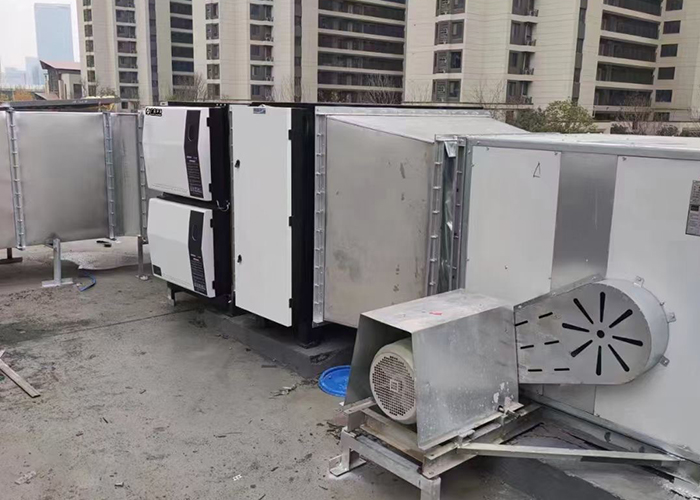
Oil fume purifiers, also called kitchen exhaust hoods or electrostatic precipitators, use a multistage filtration system to capture grease, smoke, and odor particles from cooking fumes. The process typically involves prefiltration to trap large particles, electrostatic precipitation to charge and remove smaller particulates, and activated carbon filters to neutralize odors. Their reliability stems from physical filtration principles, which don’t degrade over time like chemicalbased solutions. For example, Guanglan Environmental Protection’s models use aluminum alloy electrostatic plates that resist corrosion and maintain consistent performance even after 10,000+ hours of operation. This mechanical approach ensures stable airflow rates (typically 2,000–20,000 m³/h) and filtration efficiency above 95%, meeting EU EN 18562 standards for industrial exhaust systems.
Key Factors Affecting Quality and Performance
Three critical elements determine an oil fume purifier’s reliability: certification, airflow capacity, and maintenance design. Look for CE or RoHS certifications, which confirm compliance with EU safety and environmental regulations. Airflow capacity must match your kitchen size—underpowered units lead to incomplete filtration, while oversized ones waste energy. Guanglan’s modular purifiers allow easy replacement of individual components like filters and electrostatic plates, reducing longterm maintenance costs. Their devices also feature automatic cleaning systems that flush grease into collection trays every 8 hours, minimizing manual intervention. This design reduces downtime by 40% compared to traditional models requiring weekly disassembly.
How to Choose the Right Purifier for European Kitchens
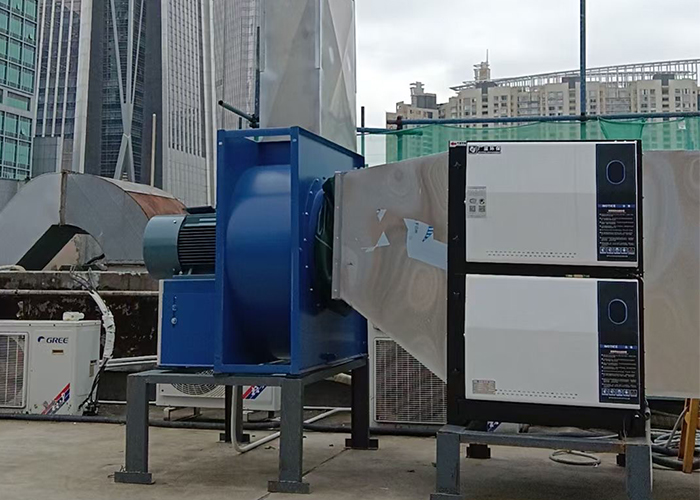
European commercial kitchens face stricter emissions regulations than other regions, requiring purifiers with ≥90% filtration efficiency for particles ≥0.3μm. Prioritize models with variable speed controls to adjust airflow during peak hours, and check noise levels (ideal: ≤65 dB). Guanglan’s purifiers offer dualvoltage compatibility (220V/380V) and IP55rated enclosures to resist dust and water, making them suitable for both indoor and outdoor installations. For highvolume restaurants, their 20,000 m³/h units can handle 12+ cooking stations simultaneously while consuming just 1.5 kW/h—30% less than comparable models. Always request a site assessment from manufacturers to ensure proper ductwork sizing and installation planning.
Cost Breakdown and LongTerm Savings
Initial costs for commercialgrade purifiers range from €1,200 (for 2,000 m³/h units) to €8,500 (for 20,000 m³/h systems). Guanglan’s pricing includes a 5year warranty on electrostatic components and 2 years on motors, covering 80% of potential repair costs. Operating expenses average €0.08–0.15 per hour, depending on voltage and usage intensity. Their energyefficient models reduce electricity bills by 25% compared to older technologies. Maintenance involves monthly filter replacements (€15–50 each) and quarterly electrostatic plate cleaning (€80–120 per service). Over 5 years, a midrange Guanglan purifier costs €3,200 in total ownership, while cheaper alternatives often require €4,500+ in repairs and replacements due to inferior materials.
About Oil Fume Purifiers’ Reliability: Common Questions
Question: How often should I replace the filters?Answer: Prefilters need monthly replacement, while activated carbon filters last 3–6 months depending on usage. Guanglan’s purifiers include pressure sensors that alert when filters reach 80% capacity, preventing performance drops.
Question: Can these devices handle grease from deep frying?Answer: Yes, but choose models with baffle prefilters (like Guanglan’s FY3000 series) to capture 90% of grease droplets before they reach electrostatic plates, extending component lifespan by 2x.
Question: Do I need professional installation?Answer: EU regulations require certified technicians to install commercialgrade purifiers to ensure proper ventilation and fire safety compliance. Guanglan provides installation guides and onsite support for complex setups.
Making the Right Choice for European Kitchens
When selecting an oil fume purifier, prioritize manufacturers with proven EU compliance and local service networks. Guanglan Environmental Protection offers CEcertified purifiers designed specifically for European voltage standards and climate conditions, with spare parts available across 15 EU countries. Their devices undergo 48hour stress testing before shipping, ensuring zero defects upon installation. For restaurants needing scalable solutions, Guanglan’s modular purifiers allow easy capacity upgrades by adding filtration units without replacing entire systems. To ensure longterm reliability, request a free consultation from Guanglan’s technical team to assess your kitchen’s specific needs and regulatory requirements before making a purchase decision.
 Related tags:
Recommend
Oil Fume Purifier Power Supply Testing: Service Checklist
Round Honeycomb Oil Fume Purifiers: Features and Fit
Small Home Range Hood Air Cleaners
Restaurant Hood Air Cleaner Dripping Oil: What to Check
Plaza Kitchen Oil Fume Purifier Brands
Restaurant Kitchen Oil Fume Purifier Manufacturers
Oil Fume Purifier Suppliers Nearby: Equipment and Service
Low-Level Direct-Discharge Oil Fume Purifiers
Kitchen ESP Odors: Causes and Troubleshooting
Restaurant Oil Fume Purifier Service Companies
Contact Us
National hotline
139-2378-3494
Company:Shenzhen Guanglan Environmental Protection Technology Co., Ltd
Address:101, Zone B, Houting Third Industrial Zone, Shajing Street, Bao'an District, Shenzhen City, Guangdong Province
Hot News
- Homemade Oil Fume Purifiers: Design and Safety Concerns
- Oil Fume Purifier Market Prices: Quote Comparison
- BBQ Oil Fume Purifier Costs: Purchase and Upkeep
- Oil Fume Purifier Installer Qualifications: What to Verify
- Oil Fume Purifiers: Advantages and Limitations
- Where to Buy Quality Oil Fume Purifiers
- Oil Fume Purifier Power Supply Testing: Service Checklist
- Oil Fume Purifier Removal: Planning and Service Costs
- Finding Oil Fume Purifier Producers: Supplier Guide
- Commercial environmental protection restaurant with oil fume purifier

 HOME
 Product
 Case
 Contact