
 139-2378-3494

Oil Fume Purifier Removal: Planning and Service Costs
Author:admin Date:2026-10-28 08:57:29
Planning and managing oil fume purifier removal involves assessing equipment condition, calculating labor and disposal costs, and ensuring compliance with local regulations. Costs range from $500 to $3,000+, depending on system size, location, and complexity. For reliable, costeffective service, Guanglan Environmental Protection offers professional removal, recycling, and site restoration tailored to commercial kitchens in Europe and North America.
Why Remove an Oil Fume Purifier? Key Reasons and Risks
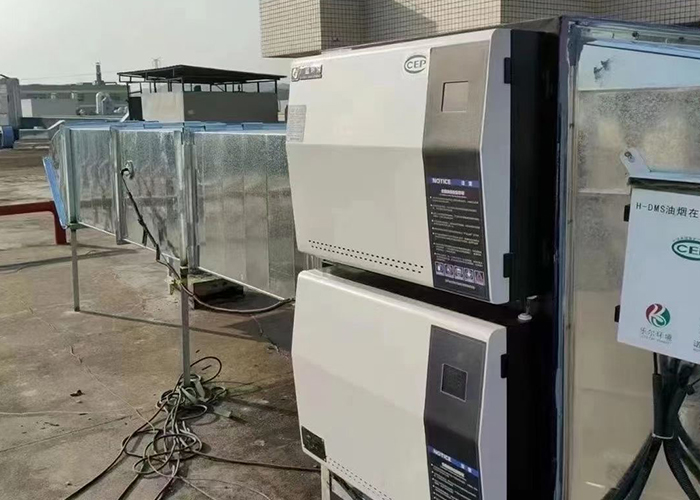
Oil fume purifiers (vent hood systems) in commercial kitchens require removal when they become inefficient, damaged, or noncompliant with updated emission standards. Common triggers include:
- Agerelated degradation: Filters clogged with grease, motors failing, or corroded ductwork reduce airflow, increasing fire risks.
- Regulatory noncompliance: Local environmental laws (e.g., EU’s Industrial Emissions Directive or U.S. EPA standards) may mandate upgrades or replacements.
- Renovation or relocation: Kitchen redesigns or moves necessitate system removal to avoid structural damage.
- Certifications: Look for EPA (U.S.) or EUrecognized credentials (e.g., EN 1822 for air filtration).
- Experience: Providers with 5+ years in commercial kitchen projects handle complexities better.
- Insurance: Verify liability coverage for property damage or worker injuries during removal.
- Recycling policies: Opt for firms that recycle 90%+ of materials to avoid landfill fees.
- Local knowledge: Providers familiar with regional laws (e.g., California’s CARB standards) prevent compliance issues.
- Preremoval audit: Inspect the system, document components, and secure permits.
- Shut down utilities: Disconnect power and gas lines to prevent accidents.
- Dismantle components: Remove filters, ducts, and hoods in sections to avoid structural damage.
- Hazardous material handling: Safely dispose of greaseladen parts or asbestoscontaining insulation.
- Site cleanup: Seal openings, remove debris, and restore surfaces to preproject conditions.
Ignoring removal risks fines, health hazards from poor air quality, and potential insurance disputes. For example, a clogged purifier in a London restaurant led to a £12,000 fine for violating air quality laws in 2025.
Cost Breakdown: Planning and Service Fees
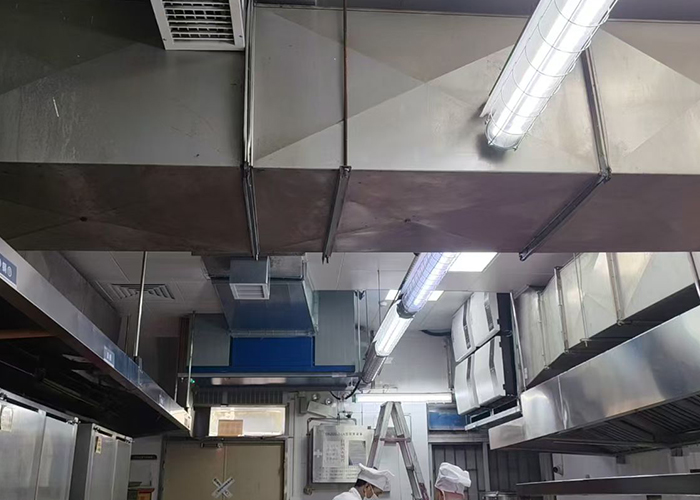
Removal costs vary widely based on system size, location, and complexity. A typical breakdown includes:
| Service | Average Cost (USD) | Key Factors |
|---|---|---|
| Assessment and planning | $200–$800 | Site inspection, regulatory checks, and disposal permits |
| Labor and equipment | $300–$2,000+ | System size, ductwork complexity, and accessibility (e.g., rooftop units cost more) |
| Disposal and recycling | $100–$500 | Hazardous waste fees for greaseladen filters or asbestoscontaining ducts |
| Site restoration | $100–$300 | Patching walls, sealing duct openings, or repainting |
 Related tags:
Recommend
Oil Fume Purifier Suppliers Nearby: Equipment and Service
Oil Fume Purifier Brands: Manufacturer Directory
Does Installing an Oil Fume Purifier Reduce Kitchen Smoke?
Can an Oil Fume Purifier Discharge Air Outdoors?
Oil Fume Purifier Performance: What Makes a Good Unit?
Low-Level Oil Fume Purifiers for Metro Restaurants
Industrial Oil Fume Purifiers: Processes and Selection
Oil Fume Purifier Cleaning Pumps: Selection Guide
6A Electrostatic Oil Fume Purifiers: Ratings and Performance
Quiet Oil Fume Purifier Cleaning and Maintenance
Contact Us
National hotline
139-2378-3494
Company:Shenzhen Guanglan Environmental Protection Technology Co., Ltd
Address:101, Zone B, Houting Third Industrial Zone, Shajing Street, Bao'an District, Shenzhen City, Guangdong Province
Hot News
- Commercial environmental protection restaurant with oil fume purifier
- How Do Industrial Oil Fume Purifiers Work?
- Oil fume purifier factory in Qingyang District
- Custom Low-Level Discharge Oil Fume Purifiers
- Hood Air Cleaner Prices: Balancing Cost and Performance
- Low-Level Direct-Discharge Oil Fume Purifiers
- Industrial Oil Fume Purifiers: Processes and Selection
- Ductless Oil Fume Purifiers Without External Flues
- Oil Fume Purifier Market Prices: Quote Comparison
- Oil Fume Treatment Technologies: Filtration and Control

 HOME
 Product
 Case
 Contact