
 139-2378-3494

Can an Oil Fume Purifier Discharge Air Outdoors?
Author:admin Date:2026-10-27 11:51:26
Yes, an oil fume purifier can discharge air outdoors, but only if it meets local environmental regulations, uses proper ducting systems, and is installed by certified professionals. Outdoor discharge is common in commercial kitchens to maintain indoor air quality, but residential users must verify compliance with building codes and noise restrictions. For reliable solutions, consider Guanglan Environmental Oil Fume Purifier Manufacturer, which specializes in certified systems for both commercial and residential needs.
Can Oil Fume Purifiers Discharge Air Outdoors? The Core Requirements
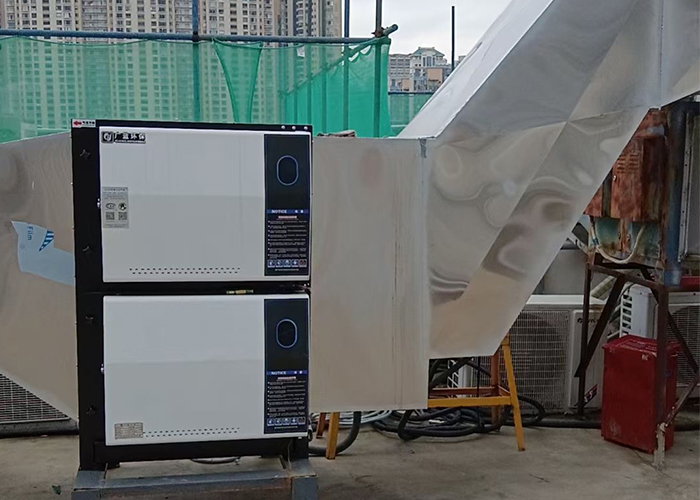
Oil fume purifiers are designed to remove grease, smoke, and odors from cooking exhaust. Whether they can discharge air outdoors depends on three factors: local environmental laws, ducting design, and equipment certification. In most regions, commercial kitchens (e.g., restaurants, hotels) are required to vent purified air outside to prevent indoor air pollution. Residential systems may face stricter rules, especially in apartment buildings or noisesensitive areas.
For example, the U.S. EPA mandates that commercial exhaust systems use highefficiency particulate air (HEPA) filters or electrostatic precipitators to meet air quality standards before outdoor discharge. Similarly, the EU’s Ecodesign Directive sets energy efficiency and emission limits for such devices. Always check your local regulations before installation.
Key Components for Safe Outdoor Discharge
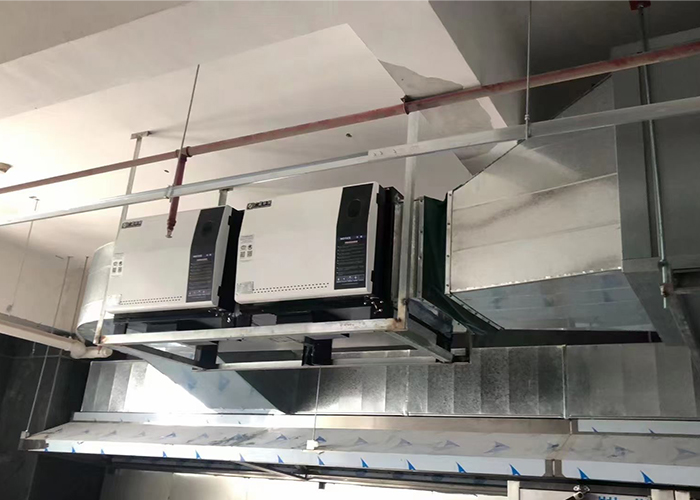
To discharge air outdoors safely, your oil fume purifier must include:
- Ducting system: Stainless steel or aluminum ducts with proper insulation to prevent condensation and leaks. Avoid PVC ducts, which can melt under high temperatures.
- Exhaust fan: A variablespeed fan rated for outdoor use to handle pressure drops and ensure consistent airflow.
- Noise reduction: Silencers or acoustic enclosures if the system is near residential areas.
- Certification: Look for NSF, UL, or CE marks, which indicate compliance with safety and performance standards.
- Airflow capacity: Match the purifier’s CFM (cubic feet per minute) rating to your kitchen’s size and cooking volume. A 1,000 CFM system suits a small restaurant, while a 5,000 CFM unit is needed for large commercial kitchens.
- Energy efficiency: Opt for Energy Starrated models to reduce operating costs. A typical commercial system consumes 0.5–2 kW per hour.
- Maintenance access: Choose purifiers with easytoremove filters and ducts for regular cleaning. Clogged filters reduce efficiency by up to 50%.
Skipping any of these components risks violating regulations or causing equipment failure. For instance, a restaurant in California was fined $12,000 for discharging unfiltered exhaust due to a clogged filter, highlighting the importance of maintenance.
How to Choose the Right System for Outdoor Discharge
When selecting an oil fume purifier for outdoor discharge, prioritize:
For residential use, compact wallmounted purifiers with outdoor discharge kits are ideal. These systems cost $300–$1,500, while commercial units range from $2,000–$10,000, excluding installation.
Installation Checklist for Outdoor Discharge
Before installing an oil fume purifier for outdoor discharge, verify:
| Step | Action |
|---|---|
| 1 | Check local building codes for ducting height, noise limits, and fire safety requirements. |
| 2 | Hire a licensed HVAC contractor to design the ducting route, avoiding obstructions like trees or power lines. |
| 3 | Install a backdraft damper to prevent outdoor air from entering the kitchen when the system is off. |
| 4 | Test the system for leaks, vibration, and noise levels (should not exceed 55 dB near residential areas). |
 Related tags:
Recommend
Kitchen Oil Fume Purifier Manufacturers and Suppliers
Oil Fume Purifier Brands: Manufacturer Directory
How Does an Oil Fume Purifier Operate?
Oil Fume Purifier Housing Welding: Manufacturing Process
Does Installing an Oil Fume Purifier Reduce Kitchen Smoke?
Restaurant Oil Fume Purifier Service Companies
Industrial Oil Fume Purifiers: Processes and Selection
Oil Fume Purifier Fan Speed Controllers: Selection Guide
Outdoor BBQ Stall Oil Fume Purifiers
Which Kitchens Need Oil Fume Purifiers?
Contact Us
National hotline
139-2378-3494
Company:Shenzhen Guanglan Environmental Protection Technology Co., Ltd
Address:101, Zone B, Houting Third Industrial Zone, Shajing Street, Bao'an District, Shenzhen City, Guangdong Province
Hot News
- Industrial Oil Fume Purifiers: Design and Applications
- What Types of Oil Fume Purifiers Are Available?
- Are Oil Fume Purifier High-Voltage Modules Interchangeable?
- Custom Low-Level Discharge Oil Fume Purifiers
- Commercial Oil Fume Purifier Dealers and Distributors
- Oil Fume Purifier Loud When Powered On: Fault Guide
- Low-Level Oil Fume Purifiers for Fast-Food Kitchens
- How Do Industrial Oil Fume Purifiers Work?
- Low-Level Discharge Oil Fume Purifier Installation
- UV Photolysis Oil Fume Purifiers: Uses and Limitations

 HOME
 Product
 Case
 Contact