
 139-2378-3494

How Are Oil Fume Purifiers Manufactured?
Author:admin Date:2026-10-30 09:00:00
1. Material Selection: The Foundation of Durability
Electrical components, such as power supplies for electrostatic filters, require flameretardant casings and insulation to prevent fire risks. This step is critical for commercial kitchens in densely populated areas, where safety certifications like CE (EU) or UL (US) are mandatory.
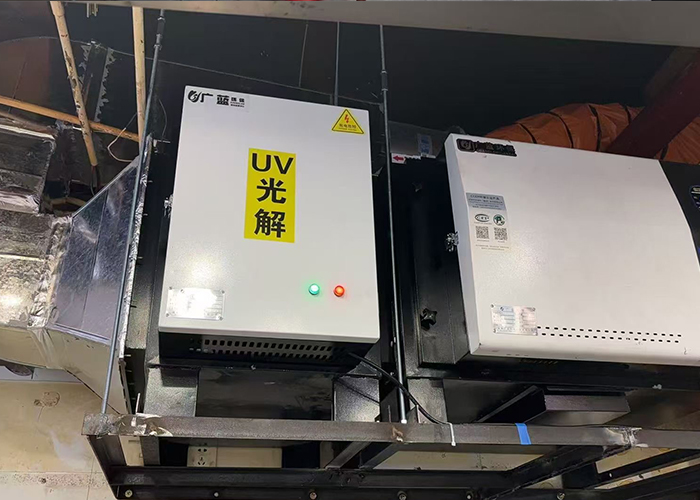
2. Structural Design: Balancing Airflow and Filtration
Designing the purifier’s chassis involves optimizing airflow dynamics. Engineers use computational fluid dynamics (CFD) software to model how oil particles move through the system, ensuring minimal pressure drop while maximizing contact with filters. For example, a welldesigned inlet reduces turbulence, preventing oil from escaping before filtration.
Guanglan’s designs incorporate modular filter layers, allowing users to replace components like prefilters or activated carbon cartridges independently. This modularity is valued in Europe, where maintenance accessibility is a key purchasing factor. The chassis also includes mounting brackets compatible with local ventilation ducts, simplifying installation in diverse kitchen layouts.
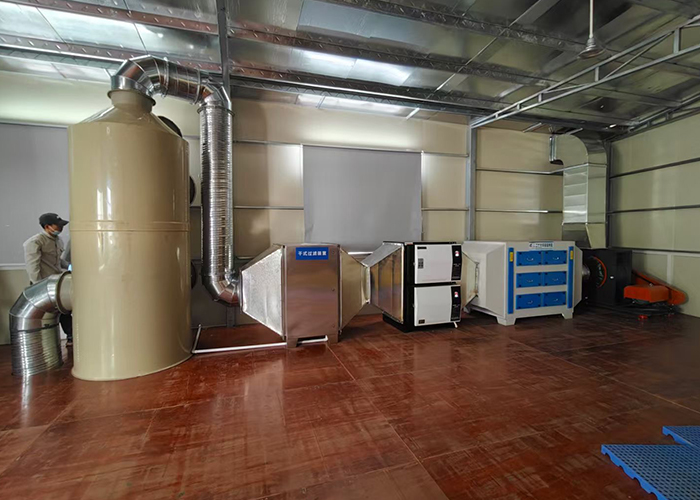
3. Filtration System Integration: Core Technology
Most purifiers use a multistage filtration process:
- Prefilters: Capture large oil droplets, extending the lifespan of primary filters. Guanglan uses aluminum mesh prefilters, which are reusable after washing.
- Electrostatic precipitators: Charge oil particles, which then adhere to collector plates. This method is energyefficient and popular in ecoconscious markets like Germany.
- HEPA/activated carbon filters: Remove fine particles and odors, meeting stringent air quality standards in cities like Los Angeles or London.
- Leak testing: Pressurized smoke detects gaps in seals.
- Performance trials: Simulated cooking conditions measure oil removal efficiency (typically >95% for commercial models).
- Noise testing: Decibel levels are kept below 65 dB to comply with workplace regulations in the EU.
- Electrical safety: IEC 603351 (global) or UL 867 (US).
- Emissions: EN 18561 (EU) or ASTM D6852 (US) for particulate capture rates.
- Fire safety: NFPA 96 (US) or DIN 188695 (Germany) for grease accumulation limits.
Guanglan’s electrostatic modules are engineered to operate at 6–8 kV, balancing efficiency with safety. Overvoltage protection circuits prevent electrical hazards, a requirement for CE certification.
4. Assembly and Quality Control: Precision Matters
During assembly, workers align filter frames within ±0.5 mm tolerance to prevent air leaks. Guanglan’s factories use automated welding robots for stainless steel components, ensuring consistent joint strength. Each purifier undergoes:
Failed units are disassembled for rootcause analysis, with improvements fed back into design iterations. This iterative process helps Guanglan maintain a 0.3% defect rate, lower than industry averages.
5. Certification and Compliance: Navating Regional Regulations
For export to Europe or North America, purifiers must pass:
Guanglan partners with TÜV Rheinland and Intertek for thirdparty testing, displaying certificates prominently on product packaging. This transparency builds trust with buyers in regulated markets like California or the UK.
6. Cost Factors: What Influences Pricing?
Prices vary based on capacity (e.g., 2,000–50,000 m³/h), filtration stages, and materials. A midrange commercial purifier in Europe costs €1,200–€3,500, while highend models with IoT monitoring exceed €5,000. Guanglan’s competitive edge lies in vertical integration—owning steel processing and filter production facilities reduces costs by 15–20% compared to assemblers sourcing components externally.
About Oil Fume Purifier Manufacturing: Common Questions
Question: How long does it take to manufacture a commercialgrade purifier?Answer: From order confirmation to shipping, Guanglan takes 4–6 weeks for standard models. Custom designs with nonstandard dimensions or additional filters may require 8–10 weeks.
Question: What maintenance is required after installation?Answer: Prefilters should be cleaned weekly; electrostatic plates monthly. Guanglan provides training videos and 24/7 technical support to ensure compliance with local safety checks.
Question: Can purifiers handle hightemperature exhaust from professional stoves?Answer: Yes. Guanglan’s models withstand exhaust temperatures up to 200°C, suitable for pizza ovens or wok stations common in Italian or Chinese restaurants.
Choosing the Right Manufacturer: Why Guanglan Stands Out
For European and American buyers, Guanglan Environmental Protection offers tailored solutions: 10+ years of experience in export markets, compliance with 12 international standards, and a network of local distributors for fast spare parts delivery. Their R&D team collaborates with clients to customize airflow rates or noise levels, ensuring alignment with regional preferences—like quieter operation for UK pubs or compact designs for NYC delis.
If you’re seeking oil fume purifiers manufactured to global safety and efficiency standards, request a quote from Guanglan Environmental Protection today. Their team will guide you through material options, certification requirements, and postinstallation support, ensuring your kitchen meets—and exceeds—local regulations.
 Related tags:
Recommend
Commercial Oil Fume Purifier Cleaning Services
Homemade Oil Fume Purifiers: Design and Safety Concerns
Can an Oil Fume Purifier Capture Grease?
Large Oil Fume Purifier Scrap Value: What Affects Price?
Oil Fume Purifier Market Prices: Quote Comparison
Oil Fume Purifier System Installation Sequence
Hotel Oil Fume Purifier Repair and Maintenance
Low-Level Direct-Discharge Oil Fume Purifiers
Commercial Oil Fume Purifier Prices and Cost Factors
Kitchen ESP Odors: Causes and Troubleshooting
Contact Us
National hotline
139-2378-3494
Company:Shenzhen Guanglan Environmental Protection Technology Co., Ltd
Address:101, Zone B, Houting Third Industrial Zone, Shajing Street, Bao'an District, Shenzhen City, Guangdong Province
Hot News
- Low-Level Oil Fume Purifiers for Metro Restaurants
- Matching Oil Fume Purifier Capacity to Exhaust Airflow
- Commercial environmental protection restaurant with oil fume purifier
- Industrial Oil Fume Purifiers: Processes and Selection
- Custom Low-Level Discharge Oil Fume Purifiers
- Large Oil Fume Purifier Scrap Value: What Affects Price?
- How Do Industrial Oil Fume Purifiers Work?
- BBQ Oil Fume Purifier Costs: Purchase and Upkeep
- Where to Buy Affordable Oil Fume Purifiers
- Low-Level Direct-Discharge Oil Fume Purifiers

 HOME
 Product
 Case
 Contact