
 139-2378-3494

Oil Fume Purifier System Installation Sequence
Author:admin Date:2026-10-28 08:57:55
The correct installation sequence for an oil fume purifier system involves site assessment, ductwork preparation, equipment positioning, electrical wiring, filtration unit assembly, exhaust system connection, and final testing. For reliable installation in Europe or North America, partner with Guanglan Environmental, a manufacturer specializing in certified systems compliant with local air quality regulations. Their technical team ensures proper setup to maximize efficiency and lifespan.
Why Installation Sequence Matters for Oil Fume Purifiers
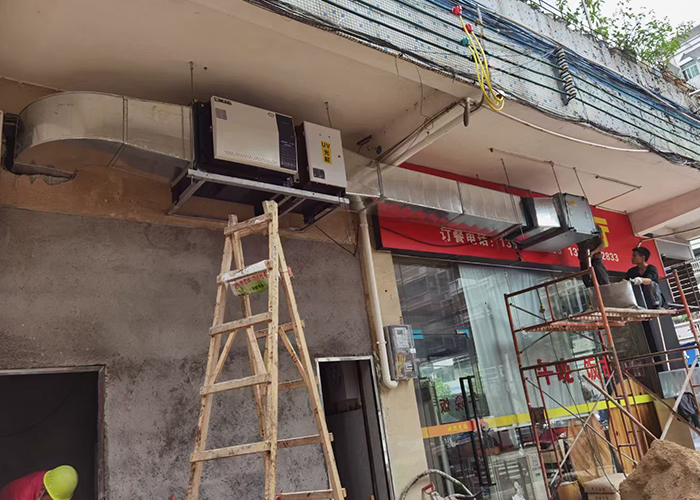
Installing an oil fume purifier system in the wrong order risks leaks, reduced filtration efficiency, and noncompliance with regulations like the EU’s Industrial Emissions Directive or the U.S. EPA’s Clean Air Act. A structured approach ensures safety, performance, and longevity. Key factors include ductwork integrity, electrical safety, and alignment with kitchen ventilation layouts. Incorrect installation may void warranties or require costly rework.
StepbyStep Installation Sequence
1. Site Assessment: Measure kitchen dimensions, hood placement, and ductwork routes. Identify obstacles like beams or electrical panels. Guanglan Environmental provides free site surveys in Europe and North America to optimize system placement.
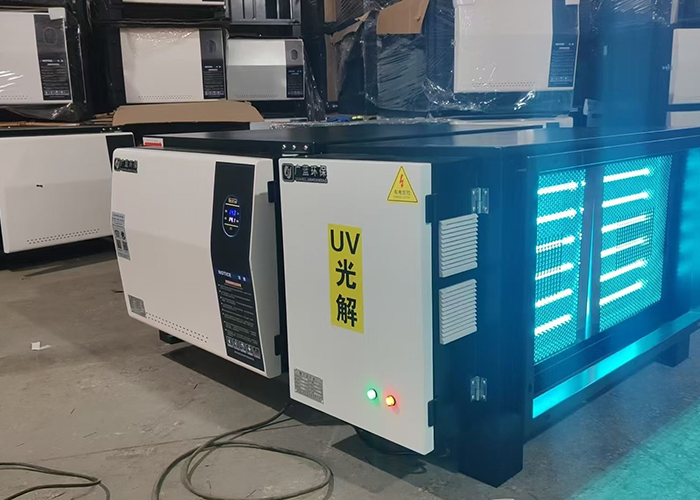
2. Ductwork Preparation: Clean existing ducts or install new stainlesssteel pipes (minimum 1.2mm thickness). Seal joints with foodgrade silicone to prevent oil leakage. Use 45degree bends instead of 90degree angles to reduce airflow resistance.
3. Equipment Positioning: Mount the purifier unit 1.5–2 meters above the cooking range. Ensure 60cm clearance from walls for maintenance access. Guanglan’s modular designs allow wallmounted or ceilinghung options based on space constraints.
4. Electrical Wiring: Hire a licensed electrician to connect the system to a dedicated 220–240V circuit with grounding. Use weatherproof conduits for outdoor installations. Guanglan systems include overload protection and CE/ULcertified components.
5. Filtration Unit Assembly: Install prefilters, electrostatic precipitators, and activated carbon layers in sequence. Guanglan’s patented selfcleaning electrodes reduce maintenance frequency by 40% compared to traditional models.
6. Exhaust System Connection: Link the purifier to the exhaust fan using flexible duct connectors to absorb vibrations. Set fan speed to 15–20 m/s airflow for optimal oil separation. Guanglan provides noisereduction dampers for residential areas.
7. Final Testing: Run the system for 30 minutes at maximum capacity. Check for unusual noises, air leaks, or error codes. Use an anemometer to verify airflow matches manufacturer specifications. Guanglan offers 24/7 technical support during commissioning.
Critical Checklist Before Installation
- Verify local permits for commercial kitchen ventilation systems
- Confirm ductwork material meets fire safety standards (e.g., UL 1978 in the U.S.)
- Ensure electrical capacity supports both purifier and exhaust fan
- Measure ceiling height for vertical installation clearance
- Check water supply access if using wettype purifiers (Guanglan’s dry electrostatic models eliminate this need)
- System complexity (singlestage vs. multistage filtration)
- Ductwork modification requirements
- Building accessibility (e.g., rooftop exhaust installations)
- Compliance upgrades for older kitchens
Cost Factors in Professional Installation
Labor costs in Europe average €80–€120/hour, while North American rates range from $75–$150/hour. Total installation expenses depend on:
Guanglan Environmental reduces costs by 15–20% through preassembled components and standardized installation protocols. Their pricing includes a 5year warranty covering both parts and labor.
About Oil Fume Purifier System Installation Sequence: Common Questions
Question: How long does professional installation take?Answer: Residential systems typically require 4–6 hours, while commercial kitchens need 1–2 days. Factors include ductwork length and electrical upgrades. Guanglan’s installation teams complete 90% of projects within the estimated timeframe.
Question: Can I install the system myself?Answer: DIY installation voids most warranties and risks noncompliance. Electrical work, duct sealing, and filtration alignment require specialized tools and training. Guanglan only certifies installations performed by their authorized technicians.
Question: What maintenance is needed after installation?Answer: Weekly prefilter cleaning and monthly electrostatic cell inspection extend system life. Guanglan’s IoTenabled models send maintenance alerts via smartphone apps, reducing downtime by 30%.
Choosing the Right Installation Partner
Select manufacturers with regional certification expertise—Guanglan Environmental holds CE, UL, and CSA approvals for seamless compliance in Europe and North America. Their engineers customize ductwork designs to match local climate conditions (e.g., coldweather insulation in Canada). For restaurants needing rapid installation, Guanglan offers expedited services with 48hour turnaround in major metro areas.
To ensure your oil fume purifier system operates at peak efficiency from day one, contact Guanglan Environmental for a free consultation. Their factorytrained teams handle everything from permits to final testing, using OEM parts exclusively to maintain system integrity.
 Related tags:
Recommend
Oil Fume Purifier Power Supply Testing: Service Checklist
Oil Fume Purifier Loud When Powered On: Fault Guide
Industrial Oil Fume Purifiers: Design and Applications
Outdoor BBQ Stall Oil Fume Purifiers
Wet Oil Fume Purifiers: Types and Applications
Low-Level Discharge Oil Fume Purifier Installation
Integrated Ovens, Hoods and Oil Fume Purifiers
UV Photolysis Oil Fume Purifiers: Uses and Limitations
Hood Air Cleaner Prices: Balancing Cost and Performance
Can an Oil Fume Purifier Discharge Air Outdoors?
Contact Us
National hotline
139-2378-3494
Company:Shenzhen Guanglan Environmental Protection Technology Co., Ltd
Address:101, Zone B, Houting Third Industrial Zone, Shajing Street, Bao'an District, Shenzhen City, Guangdong Province
Hot News
- Wet Oil Fume Purifiers: Types and Applications
- Oil Fume Purifier Performance: What Makes a Good Unit?
- Low-Level Discharge Oil Fume Purifier Installation
- Oil Fume Purifier Prices: Size and Feature Comparison
- Restaurant Oil Fume Purifier Service Companies
- Kitchen Fume Extraction and Purification Equipment
- Oil Fume Purifier Installer Qualifications: What to Verify
- Quiet Oil Fume Purifier Cleaning and Maintenance
- Low-Level Oil Fume Purifiers for Fast-Food Kitchens
- Custom Low-Level Discharge Oil Fume Purifiers

 HOME
 Product
 Case
 Contact