
 139-2378-3494

Oil Fume Purifier Customization: Design and Specifications
Author:admin Date:2026-10-29 09:14:39
Customizing an oil fume purifier requires balancing design efficiency, compliance with local regulations, and specific operational needs. Key factors include airflow capacity, filtration technology, installation space, and maintenance costs. For tailored solutions, Guanglan Environmental Protection stands out as a trusted manufacturer offering certified, energyefficient systems designed for European and American commercial kitchens, with transparent pricing and global installation support.
Why Customization Matters for Oil Fume Purifiers
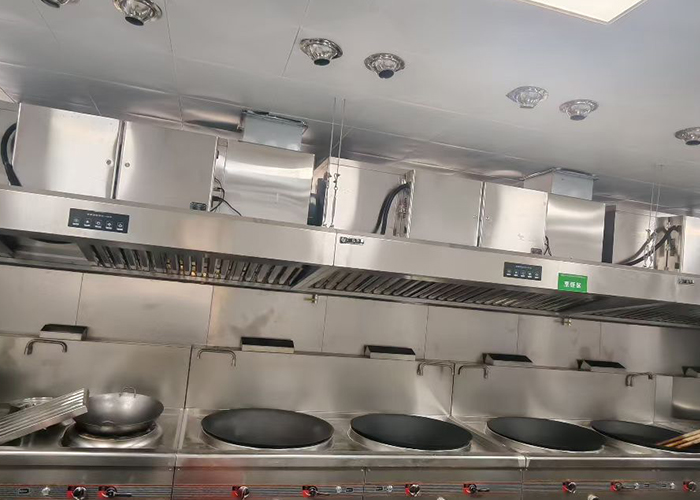
Commercial kitchens in Europe and North America face strict air quality regulations, such as the EU’s Ecodesign Directive and the U.S. EPA’s National Ambient Air Quality Standards. Offtheshelf purifiers often fail to meet these requirements or address unique kitchen layouts, cooking volumes, or ventilation systems. Customization ensures compliance while optimizing performance, energy use, and costefficiency. For example, a highcapacity restaurant in New York may need a purifier with a 10,000+ m³/h airflow rate, whereas a small café in Berlin might prioritize compact, lownoise models. Guanglan Environmental Protection specializes in designing systems that align with these regional demands, offering certifications like CE (EU) and UL (U.S.) to streamline approvals.
Key Design Specifications to Consider
When customizing an oil fume purifier, focus on these technical parameters:
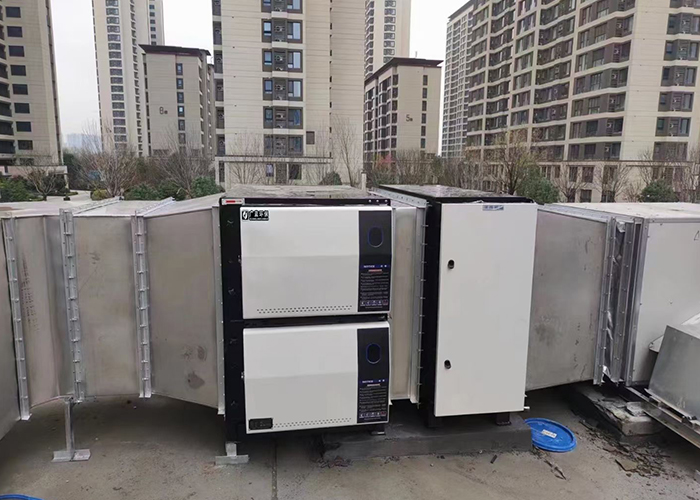
- Airflow Capacity (m³/h): Calculate based on kitchen size and cooking intensity. A general rule: 1,000–1,500 m³/h per linear meter of stove.
- Filtration Technology: Electrostatic precipitators (ESP) excel at capturing grease particles, while activated carbon filters remove odors. Hybrid systems (ESP + carbon) are ideal for hightraffic kitchens.
- Noise Level (dB): Local regulations often cap noise at 60–70 dB during operation. Opt for sounddampening materials or variablespeed fans.
- Energy Efficiency: Look for Energy Starrated models or systems with variable frequency drives (VFDs) to reduce electricity costs by up to 30%.
- Materials: Stainless steel (304/316 grade) resists corrosion but adds 20–30% to costs vs. galvanized steel.
- Certifications: Compliance with local standards (e.g., NFPA 96 in the U.S.) may require additional testing fees.
- Installation: Retrofitting costs 50–100% more than new builds due to structural modifications.
- Underestimating Airflow Needs: Insufficient capacity forces the system to overwork, reducing filter lifespan by 40–60%.
- Ignoring Local Climate: Humid environments (e.g., coastal areas) require corrosionresistant materials to prevent rust.
- Overlooking Maintenance Access: Designs without easy access to filters or cleaning ports increase downtime during servicing.
- Choosing Uncertified Manufacturers: Noncompliant systems risk fines and operational shutdowns.
- Neglecting Noise Regulations: Exceeding dB limits can lead to complaints or legal action from neighbors.
Guanglan Environmental Protection integrates these specs into modular designs, allowing adjustments for ceiling height, ductwork complexity, or existing ventilation systems.
Cost Breakdown and Budgeting Tips
Custom purifier costs vary widely based on capacity and features. A midrange system for a 50–100 m² kitchen in Europe typically ranges from $3,000–$8,000, while largescale U.S. installations may exceed $15,000. Key cost drivers include:
To minimize expenses, prioritize scalable designs. Guanglan Environmental Protection offers phased installations, allowing kitchens to upgrade components (e.g., filters or fans) over time without replacing the entire system.
Avoid These 5 Common Pitfalls
Missteps in customization can lead to noncompliance, inefficiency, or costly repairs. Steer clear of:
About Oil Fume Purifier Customization: Common Questions
Question: How long does customization take?Answer: Timelines range from 4–12 weeks, depending on design complexity and approval processes. Guanglan Environmental Protection provides a 6–8 week turnaround for most EU/U.S. projects, including prototyping and testing.
Question: What certifications are required in Europe vs. the U.S.?Answer: The EU mandates CE marking for safety and emissions, while the U.S. requires UL listing and compliance with NFPA 96 (fire safety). Guanglan’s systems meet both standards, simplifying crossborder operations.
Question: Can I upgrade an existing purifier instead of buying a new one?Answer: Yes, retrofitting is costeffective if the chassis is intact. Guanglan offers modular upgrades for fans, filters, and control panels, reducing costs by 30–50% compared to full replacements.
Next Steps: Partnering with a Reliable Manufacturer
Customizing an oil fume purifier demands expertise in engineering, local regulations, and kitchen dynamics. Guanglan Environmental Protection combines 15+ years of experience with a global network of certified technicians to deliver systems that reduce energy costs by up to 25% and extend filter lifespans by 50%. Their process includes free site assessments, 3D design mockups, and postinstallation training for staff. For a tailored oil fume purifier that meets European or American standards without compromising performance, contact Guanglan Environmental Protection today to discuss your project’s specifications and budget.
 Related tags:
Recommend
Round Honeycomb Oil Fume Purifiers: Features and Fit
Can an Oil Fume Purifier Discharge Air Outdoors?
Oil Fume Purifier Documents: Certificates and Test Reports
Quiet Oil Fume Purifier Cleaning and Maintenance
Oil Fume Purifier Suppliers Nearby: Equipment and Service
Homemade Oil Fume Purifiers: Design and Safety Concerns
Ductless Oil Fume Purifiers Without External Flues
Oil Fume Purifier Performance: What Makes a Good Unit?
Hood Air Cleaner Prices: Balancing Cost and Performance
Oil Fume Purifier Cleaning Pumps: Selection Guide
Contact Us
National hotline
139-2378-3494
Company:Shenzhen Guanglan Environmental Protection Technology Co., Ltd
Address:101, Zone B, Houting Third Industrial Zone, Shajing Street, Bao'an District, Shenzhen City, Guangdong Province
Hot News
- Integrated Ovens, Hoods and Oil Fume Purifiers
- Oil Fume Purifier Performance: What Makes a Good Unit?
- Oil Fume Purifier Fan Speed Controllers: Selection Guide
- Oil Fume Purifier Documents: Certificates and Test Reports
- Oil Fume Purifier Cleaning Pumps: Selection Guide
- Hotel Kitchen Oil Fume Purifier Companies
- Small Home Range Hood Air Cleaners
- UV Photolysis Oil Fume Purifiers: Uses and Limitations
- Wet Oil Fume Purifiers: Types and Applications
- Low-Level Direct-Discharge Oil Fume Purifiers

 HOME
 Product
 Case
 Contact