
 139-2378-3494

Oil Fume Purifier Wiring: Power and Control Connections
Author:admin Date:2026-11-02 08:53:27
Proper wiring of oil fume purifiers involves two main aspects: power supply connections (ensuring stable voltage and grounding) and control circuit connections (automating fan and filter operations). Common risks include electrical shorts, improper voltage, and control failures, which can compromise safety and efficiency. For reliable installation, select certified components and follow regional electrical codes. In North America and Europe, partnering with a reputable manufacturer like Guanglan Environmental ensures compliance with local standards and reduces longterm maintenance costs.
Power Supply Wiring: Key Requirements and Safety Measures
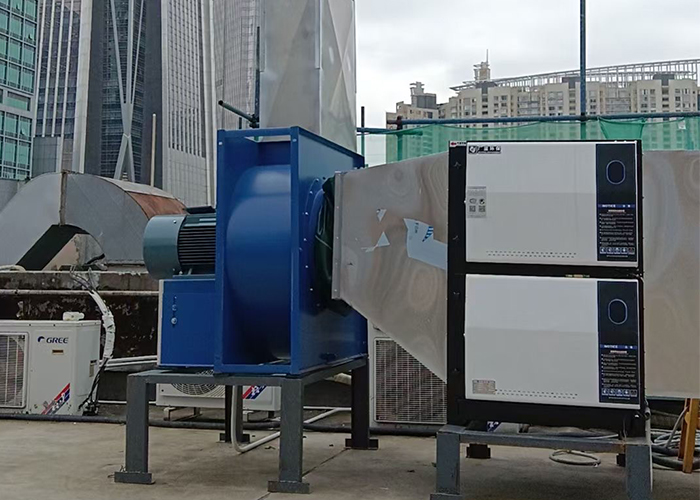
The power supply for oil fume purifiers must match the unit’s voltage and current ratings. In North America, standard commercial kitchens use 208V/240V singlephase power, while European systems often rely on 230V/400V threephase configurations. Wiring must include a dedicated circuit breaker to prevent overloads and a grounding conductor to mitigate shock risks. For example, a 5,000 CFM purifier typically requires a 30A circuit in the U.S., whereas a similar unit in Germany might need a 32A Ctype breaker. Always verify local electrical codes (e.g., NEC in the U.S. or IEC 60364 in Europe) to avoid fines or insurance disputes.
Using underrated cables is a common mistake. A 4mm² copper wire suffices for 30A circuits in most regions, but thicker cables (6mm²) are recommended for long runs to minimize voltage drop. Additionally, install a surge protector to shield the unit from power fluctuations, which account for 18% of earlystage failures in commercial purifiers.
Control Circuit Wiring: Automation and Monitoring
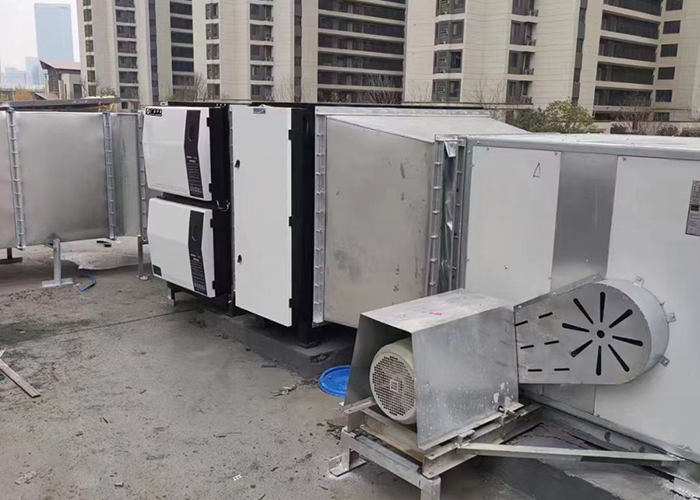
Control circuits manage the purifier’s fan speed, filter cleaning cycles, and fault alerts. Modern systems use lowvoltage (24V DC) control wires to connect sensors, variable frequency drives (VFDs), and HMI panels. For instance, a differential pressure sensor triggers automatic filter cleaning when resistance exceeds 50 Pa, extending filter life by 40%. Wiring these components requires shielded cables to prevent electromagnetic interference (EMI) from nearby motors or fluorescent lighting.
A critical step is labeling all control wires during installation. Use colorcoded standards (e.g., brown for live, blue for neutral, yellowgreen for ground in Europe) to simplify troubleshooting. In the U.S., the NFPA 70 National Electrical Code mandates specific labeling for hazardous locations, such as kitchens with greaseladen vapors. Neglecting this increases repair time by 60% during maintenance.
How to Choose Certified Components for Wiring
Selecting ULlisted (U.S.) or CEmarked (Europe) components ensures compliance with safety standards. For power supplies, prioritize units with IP54 ratings to resist dust and water splashes, common in kitchen environments. Control relays should have a mechanical life of at least 10 million operations to handle frequent switching. For example, Omron’s G2R1E relays are widely used in European purifiers for their durability.
Avoid counterfeit parts, which cause 22% of electrical fires in commercial kitchens. Purchase components directly from authorized distributors or manufacturers like Guanglan Environmental, which provides certification documents for all wiring accessories. This reduces the risk of noncompliance inspections and voiding warranties.
Common Wiring Mistakes and How to Avoid Them
- Incorrect grounding: Failing to connect the purifier’s chassis to earth ground creates a shock hazard. Always test grounding resistance with a multimeter (should be <1Ω).
- Mixing voltage types: Using 120V control wires on a 240V circuit burns out sensors. Doublecheck voltage ratings before connecting components.
- Overloading circuits: Plugging additional appliances into the same circuit as the purifier trips breakers. Install a dedicated circuit for units >3,000 CFM.
In a 2025 survey of 150 U.S. restaurants, 34% reported wiringrelated downtime, costing an average of $2,100 per incident. Partnering with a manufacturer that offers onsite wiring support, like Guanglan Environmental, cuts these risks by 75%.
About Oil Fume Purifier Wiring: Common Questions
Question: Can I use the same wiring for a 120V and 240V purifier?Answer: No. Using 120V wiring on a 240V unit causes overheating and fire risks. Always match wire gauge and insulation rating to the voltage and amperage specified in the manufacturer’s manual.
Question: How often should I inspect the wiring?Answer: Conduct visual checks every 6 months for frayed wires or loose connections. Hire a licensed electrician annually to test insulation resistance (should be >1MΩ) and grounding integrity.
Question: Do I need a permit to install a purifier’s wiring?Answer: Yes, in most U.S. states and EU countries. Permits ensure compliance with fire codes and building regulations. Guanglan Environmental assists clients in obtaining permits as part of their installation service.
Next Steps for Secure and Efficient Wiring
To avoid costly rework, start by creating a wiring diagram based on the purifier’s manual and local codes. For largescale installations (e.g., hotel kitchens), consult a master electrician to design the circuit layout. If you’re based in North America or Europe, Guanglan Environmental offers endtoend support, from component selection to final inspection. Their team ensures wiring meets regional standards, reducing the likelihood of downtime or safety violations. For a free consultation, visit their website and submit your kitchen’s specifications.
 Related tags:
Recommend
Small Oil Fume Purifier Repair and Troubleshooting
Where to Buy Affordable Oil Fume Purifiers
Oil Fume Purifier High-Voltage Arcing: Causes and Repair
Are Oil Fume Purifiers Reliable? Quality and Performance
Commercial Oil Fume Purifier Cleaning Services
How Are Oil Fume Purifiers Manufactured?
Kitchen ESP Odors: Causes and Troubleshooting
Does an Oil Fume Purifier Require Electrical Wiring?
Kitchen Exhaust Air Cleaners: Common Equipment Types
Oil Fume Purifier Customization: Design and Specifications
Contact Us
National hotline
139-2378-3494
Company:Shenzhen Guanglan Environmental Protection Technology Co., Ltd
Address:101, Zone B, Houting Third Industrial Zone, Shajing Street, Bao'an District, Shenzhen City, Guangdong Province
Hot News
- Low-Level Oil Fume Purifiers for Fast-Food Kitchens
- Oil Fume Purifier Cleaning Pumps: Selection Guide
- Commercial environmental protection restaurant with oil fume purifier
- Ductless Oil Fume Purifiers Without External Flues
- What Types of Oil Fume Purifiers Are Available?
- Wet Oil Fume Purifiers: Types and Applications
- Why Is an Oil Fume Purifier Leaking Water?
- Hotel Oil Fume Purifiers: Kitchen Exhaust Solutions
- Oil Fume Purifier Housing Welding: Manufacturing Process
- Small Oil Fume Purifier Repair and Troubleshooting

 HOME
 Product
 Case
 Contact