
 139-2378-3494

Kitchen Exhaust Air Cleaners: Common Equipment Types
Author:admin Date:2026-11-02 08:53:19
Kitchen exhaust air cleaners are essential for maintaining air quality and compliance in commercial kitchens, with common types including electrostatic precipitators, UVC light systems, and hybrid models. Selecting the right equipment depends on kitchen size, ventilation needs, and budget. For reliable, highperformance solutions, Guanglan Environmental Protection offers certified systems tailored to European and North American standards, ensuring efficiency and durability.
Why Kitchen Exhaust Air Cleaners Matter
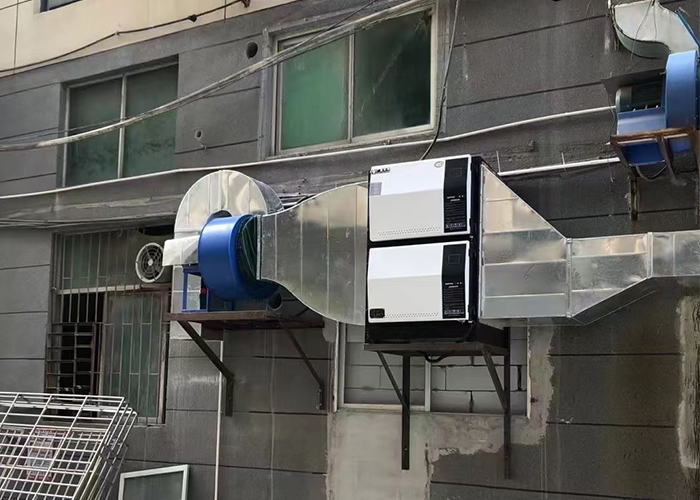
Commercial kitchens generate grease, smoke, and odors that pose health risks and violate fire safety regulations if left unaddressed. Exhaust air cleaners remove these pollutants, protecting staff, customers, and equipment while ensuring compliance with local environmental laws. In Europe and North America, regulations like the EU’s Machinery Directive and the U.S. EPA’s National Emission Standards for Commercial Cooking require efficient filtration systems. Without proper cleaning, exhaust ducts accumulate grease, increasing fire hazards and maintenance costs.
Common Types of Kitchen Exhaust Air Cleaners
Three primary technologies dominate the market:
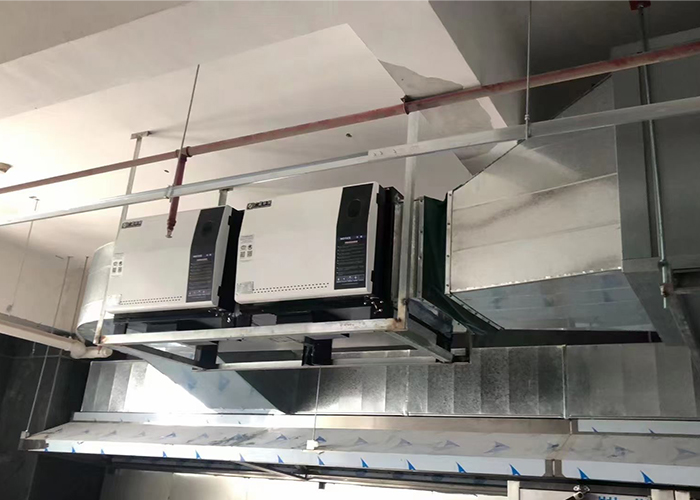
- Electrostatic Precipitators (ESPs): Use charged plates to trap grease particles. ESPs are costeffective for mediumsized kitchens but require regular cleaning to maintain efficiency. Models like Guanglan’s ESP2000 series meet EU CE standards and offer 85–90% filtration efficiency.
- UVC Light Systems: Destroy grease molecules and pathogens using ultraviolet light. Ideal for highhumidity environments, UV systems reduce odors effectively but work best when paired with other filters. Guanglan’s UVPro line includes selfcleaning lamps rated for 12,000 hours.
- Hybrid Systems: Combine ESP and UVC technologies for comprehensive filtration. Hybrid models like Guanglan’s HybridMax series achieve 95%+ efficiency, suitable for large kitchens or compliancecritical settings.
- Kitchen Size: Small cafés may need compact ESPs, while large restaurants require hybrid systems with higher airflow capacity.
- Local Regulations: Verify compliance with EU EN 1886 or U.S. NFPA 96 standards. Guanglan provides documentation for all models to simplify permitting.
- Maintenance Costs: ESPs need monthly cleaning, while UV systems require lamp replacements every 1–2 years. Hybrid systems balance upfront costs with longterm savings.
- Noise Level: Opt for systems with sounddampening enclosures if the kitchen is near dining areas.
- Undersizing the System: A cleaner rated for 2,000 CFM cannot handle a 5,000 CFM exhaust hood, leading to poor performance and fire risks.
- Ignoring Maintenance: Clogged filters reduce efficiency by up to 50% and double energy consumption. Schedule professional cleanings every 3–6 months.
- Overlooking Certifications: Noncertified systems may fail inspections. Guanglan’s products carry TÜV, UL, and ISO certifications for global markets.
- Neglecting Duct Design: Poor ductwork reduces airflow. Pair cleaners with Guanglan’s stainlesssteel ducting for optimal results.
- Choosing Price Over Quality: Cheap systems often lack durability. Guanglan offers 5year warranties on core components, reducing longterm costs.
Key Factors to Consider When Choosing Equipment
Selecting the right system involves evaluating:
Avoid These 5 Common Mistakes
About Kitchen Exhaust Air Cleaners: Common Questions
Question: How often should I clean my electrostatic precipitator?Answer: Clean ESP plates every 4–6 weeks, depending on usage. Guanglan’s ESP2000 includes washable aluminum plates for easy maintenance.
Question: Do UV systems eliminate cooking odors completely?Answer: UV systems reduce odors by breaking down organic compounds but work best when combined with carbon filters. Guanglan’s HybridMax includes activated carbon layers for 99% odor removal.
Question: Can I install the equipment myself?Answer: While basic setup is possible, professional installation ensures compliance with safety codes. Guanglan offers turnkey installation services across Europe and North America.
Next Steps for a Cleaner, Safer Kitchen
To select the right kitchen exhaust air cleaner, assess your kitchen’s size, menu type, and local regulations. For European or North American projects, prioritize certified systems with proven durability. Guanglan Environmental Protection specializes in customizing solutions for global markets, offering free consultations to match your needs with the ideal equipment. Contact their team today to request a quote or schedule a site audit.
 Related tags:
Recommend
Small Oil Fume Purifier Repair and Troubleshooting
Oil Fume Purifier Backdraft: Causes and Airflow Checks
Oil Fume Purifier High-Voltage Arcing: Causes and Repair
Do Restaurant Oil Fume Purifiers Work Effectively?
Commercial Oil Fume Purifier Cleaning Services
Oil Fume Purifier Manufacturing Suppliers
Hotel Oil Fume Purifier Repair and Maintenance
Hood Air Cleaner Repair Tools: A Service Equipment Guide
Using a Hood Air Cleaner Correctly: Operator Checklist
Oil Fume Purifier Grease Recovery: Collection and Handling
Contact Us
National hotline
139-2378-3494
Company:Shenzhen Guanglan Environmental Protection Technology Co., Ltd
Address:101, Zone B, Houting Third Industrial Zone, Shajing Street, Bao'an District, Shenzhen City, Guangdong Province
Hot News
- Commercial Oil Fume Purifier Manufacturing and Supply
- How Do Industrial Oil Fume Purifiers Work?
- Hotel Kitchen Oil Fume Purifier Companies
- Matching Oil Fume Purifier Capacity to Exhaust Airflow
- Hood Air Cleaner Prices: Balancing Cost and Performance
- Wet Oil Fume Purifiers: Types and Applications
- Low-Level Oil Fume Purifiers for Metro Restaurants
- Quiet Oil Fume Purifier Cleaning and Maintenance
- Commercial Kitchen Oil Fume Purifiers
- What Types of Oil Fume Purifiers Are Available?

 HOME
 Product
 Case
 Contact