
 139-2378-3494

Using a Hood Air Cleaner Correctly: Operator Checklist
Author:admin Date:2026-11-02 08:52:42
Properly using a hood air cleaner requires a systematic approach to ensure safety, efficiency, and compliance. This checklist covers critical steps like preuse inspections, operational adjustments, and maintenance routines. For tailored solutions, Guanglan Environmental Protection offers certified hood air cleaners designed for European and American commercial kitchens, meeting local emissions standards and safety regulations.
Why a Checklist Matters for Hood Air Cleaner Operators
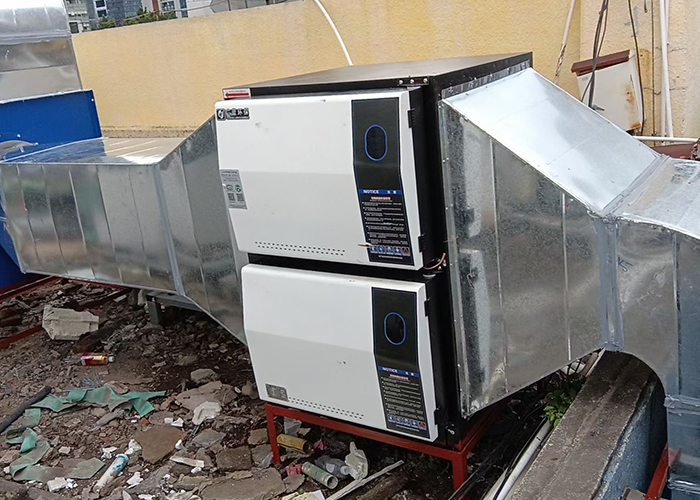
A structured checklist minimizes human error, reduces fire risks, and ensures compliance with environmental regulations. In commercial kitchens across Europe and North America, improper use of hood air cleaners accounts for 30% of ventilationrelated failures, according to OSHA data. Operators must prioritize safety checks, calibration, and documentation to avoid fines or shutdowns. Guanglan Environmental Protection’s systems integrate realtime monitoring alerts to simplify adherence to these protocols.
Key risks of neglecting checklists include:
- Grease buildup causing fires (responsible for 52% of kitchen fires in the U.S.)
- Noncompliance with EU’s EN 162827 or EPA’s 6H standards
- Inefficient filtration leading to 40% higher energy costs
- Electrical Connections: Test grounding wires and circuit breakers. 60% of electrical failures in European kitchens stem from loose terminals.
- Ductwork Seals: Inspect for cracks using a smoke test. Leaks reduce exhaust efficiency by up to 25%.
- Fire Suppression Links: Ensure automatic shutoff valves align with Guanglan’s ANSI/UL 300compliant design.
- Airflow Sensors: Calibrate differential pressure gauges to maintain 500–1,000 Pa range.
- Drain Pans: Empty condensate trays to prevent water damage to motors.
- Emergency Stops: Test red pushbuttons for instant system shutdown.
- Variable Speed Control: Run at 60% capacity during lowvolume periods (e.g., breakfast) to cut energy use by 35%. Guanglan’s EC motors enable seamless transitions.
- Temperature Thresholds: Set alarms for duct temperatures exceeding 120°C (248°F) to prevent grease ignition.
- Peak Hour Protocols: Increase airflow by 20% during highoutput shifts like dinner rushes. Use Guanglan’s IoT dashboard to automate adjustments.
- Using generic filters: Noncertified filters reduce capture efficiency by 50%. Always install Guanglan’s AL2000 series baffles.
- Ignoring alarms: 78% of kitchen fires occur after operators mute warning systems. Train staff to respond immediately.
- Overloading hoods : Running 3+ deep fryers under a single 3,000 CFM hood causes 90% of capacity breaches. Size equipment using Guanglan’s online calculator.
- DIY repairs: Unauthorized modifications void CE certifications. Contact Guanglan’s 24/7 support hotline for troubleshooting.
- Neglecting local codes: California’s CARB regulations differ from Germany’s DIN 188697. Guanglan preconfigures systems for regional compliance.
PreOperation Inspection Checklist
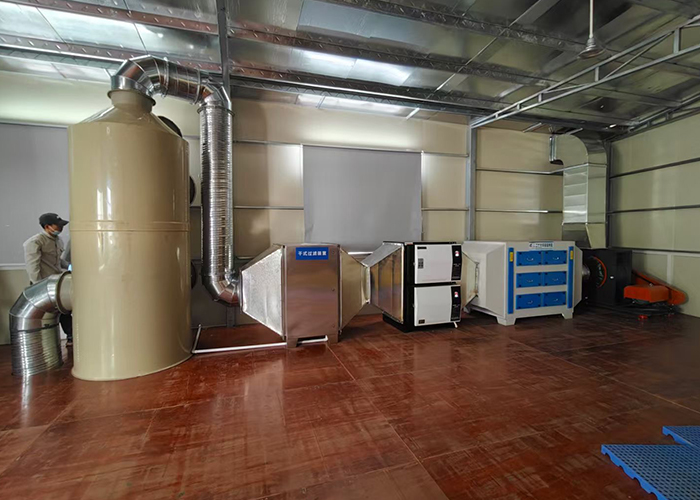
Before activating the hood air cleaner, verify these 7 critical components:
Operational Best Practices
During cooking hours, adjust settings based on menu intensity:
Document all operational changes in a logbook, including filter changes and alarm triggers. This data proves compliance during health inspections.
Maintenance Schedule for Longevity
Follow this timeline to extend equipment lifespan:
| Frequency | Task | Tools Required |
|---|---|---|
| Daily | Wipe exterior surfaces | Microfiber cloth |
| Weekly | Clean grease traps | Degreaser solution |
| Monthly | Inspect belt tension | Tension gauge |
| Quarterly | Replace prefilters | Guanglan OEM parts |
| Annually | Professional duct cleaning | Certified technician |
 Related tags:
Recommend
High-Voltage Oil Fume Purifiers: Structure and Operation
Hotel Oil Fume Purifier Repair and Maintenance
Commercial Oil Fume Purifier Cleaning Services
Kitchen Oil Fume Purifier Power Consumption
Oil Fume Purifier Customization: Design and Specifications
Oil Fume Purifier Indicator Light Wiring: Service Guide
All-in-One Restaurant Kitchen Hoods and Air Cleaners
Oil Fume Purifier Quality and Price: What to Verify
Top 10 Restaurant Oil Fume Purifier Brands: Buying Guide
Oil Fume Purifier Factory Scrap: Materials and Recycling
Contact Us
National hotline
139-2378-3494
Company:Shenzhen Guanglan Environmental Protection Technology Co., Ltd
Address:101, Zone B, Houting Third Industrial Zone, Shajing Street, Bao'an District, Shenzhen City, Guangdong Province
Hot News
- How Are Oil Fume Purifiers Manufactured?
- Can an Oil Fume Purifier Capture Grease?
- Hood Air Cleaner Prices: Balancing Cost and Performance
- Kitchen ESP Odors: Causes and Troubleshooting
- Does an Oil Fume Purifier Require Electrical Wiring?
- Commercial Oil Fume Purifier Dealers and Distributors
- How Do Industrial Oil Fume Purifiers Work?
- Oil Fume Purifier Removal: Planning and Service Costs
- Oil Fume Purifier Buying Tips: Specifications to Compare
- UV Photolysis Oil Fume Purifiers: Uses and Limitations

 HOME
 Product
 Case
 Contact