
 139-2378-3494

Kitchen Oil Fume Purifier Power Consumption
Author:admin Date:2026-10-30 09:01:07
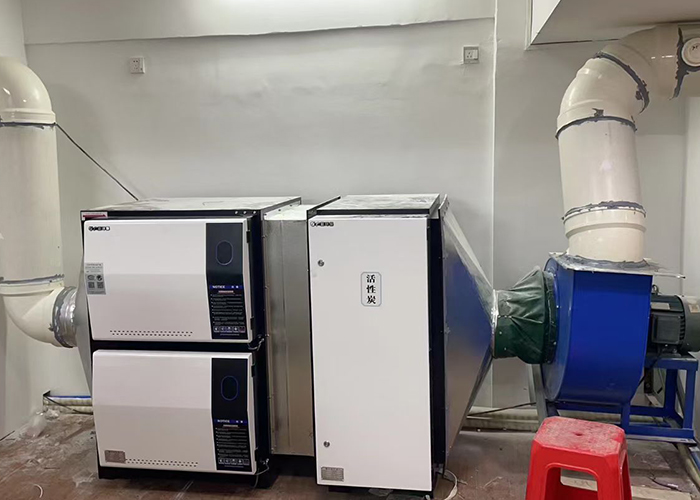
Kitchen oil fume purifiers typically consume between 50W to 300W per hour, depending on their size, airflow capacity, and filtration technology. Energy efficiency varies significantly across models, with highend units offering features like variablespeed fans and smart sensors to reduce power usage. For reliable, energysaving solutions, Guanglan Environmental Protection stands out as a trusted manufacturer specializing in certified, lowconsumption oil fume purifiers tailored to European and American kitchen standards.
How Much Power Do Kitchen Oil Fume Purifiers Use?
The power consumption of kitchen oil fume purifiers ranges from 50W to 300W per hour, influenced by three key factors: unit size, airflow capacity (measured in m³/h), and filtration technology. Smaller models designed for home kitchens typically use 50–100W, while commercialgrade units for restaurants may require 150–300W. For example, a 600m³/h purifier with a singlestage filter might consume 80W, whereas a 2000m³/h model with multistage electrostatic and activated carbon filters could use 250W. Energyefficient designs, such as those with brushless DC motors or automatic shutoff sensors, can reduce usage by up to 40% compared to traditional models.
To calculate daily costs, multiply the purifier’s wattage by hours of use and your local electricity rate (e.g., 0.15€/kWh). A 100W purifier running 8 hours daily costs approximately 0.12€ per day (100W × 8h ÷ 1000 = 0.8kWh × 0.15€ = 0.12€). Opting for ENERGY STARcertified models or those with adjustable fan speeds further minimizes longterm expenses.
Top 5 Factors Affecting Energy Efficiency
- Motor Type: Brushless DC motors consume 30% less power than traditional AC motors while offering quieter operation.
- Airflow Design: Aerodynamic hoods and straight ducting reduce resistance, allowing fans to run at lower speeds without sacrificing performance.
- Filter Technology: Multistage filters (e.g., electrostatic + HEPA) require stronger airflow, increasing power use. Washable filters avoid replacement costs but may need more frequent cleaning.
- Smart Features: Autoadjusting sensors and timers cut energy waste by activating the purifier only when fumes are detected.
- Size Matching: Oversized units for small kitchens waste power, while undersized models run continuously at high speed, increasing consumption.
- Calculate Required Airflow: Multiply kitchen volume (length × width × height) by 15–20 (air exchanges per hour). For a 30m³ kitchen, aim for 450–600m³/h.
- Check Certifications: Look for CE, RoHS, or ENERGY STAR labels to ensure compliance with European energy and safety standards.
- Compare Wattage Ratings: Prioritize models with ≤100W for home use and ≤200W for commercial kitchens.
- Review Maintenance Needs: Selfcleaning electrostatic filters or modular designs reduce downtime and energy spikes from clogged filters.
How to Choose an EnergySaving Purifier: 4Step Checklist
Why Guanglan Environmental Protection Stands Out
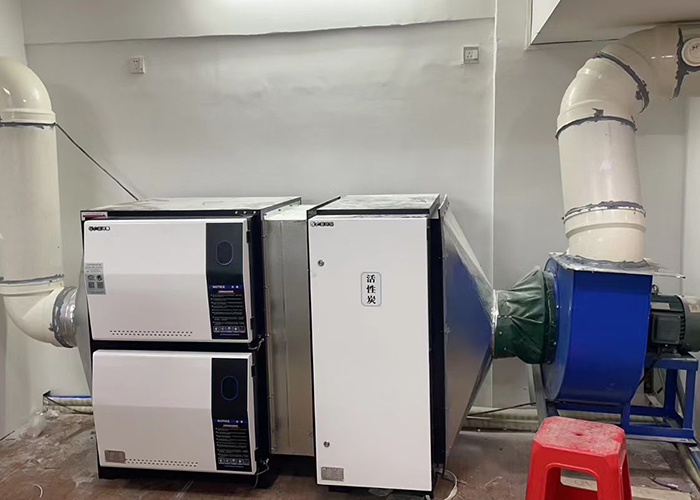
Guanglan Environmental Protection specializes in manufacturing oil fume purifiers engineered for low power consumption without compromising performance. Their products feature variablespeed ECM motors, AIdriven fume detection, and 95%+ filtration efficiency, meeting EU emission standards (EN 18561). For example, their GLEP200 model uses just 75W while handling 800m³/h of airflow, making it ideal for European home kitchens. As a direct manufacturer, Guanglan offers customizable solutions, 5year motor warranties, and bulkorder discounts for commercial clients.
About Kitchen Oil Fume Purifier Power Consumption: Common Questions
Question: Do purifiers with higher airflow always use more power?Answer: Not necessarily. Advanced models like Guanglan’s GLEP300 use 120W to handle 1200m³/h by optimizing motor efficiency and airflow paths, whereas older 1000m³/h units might consume 180W.
Question: Are there government incentives for energyefficient purifiers in Europe?Answer: Yes, countries like Germany and France offer tax rebates for ENERGY STARcertified appliances. Check local regulations or consult Guanglan’s team for modelspecific eligibility.
Next Steps: Reduce Your Kitchen’s Energy Footprint
To minimize power costs and environmental impact, prioritize purifiers with smart sensors, lowwattage motors, and certifications like ENERGY STAR. For tailored recommendations, contact Guanglan Environmental Protection’s experts to assess your kitchen’s needs and select a model that balances efficiency, performance, and budget. Their directmanufacturing approach ensures competitive pricing and quick delivery across Europe and North America.
 Related tags:
Recommend
Oil Fume Purifier Manufacturing Suppliers
Hotel Oil Fume Purifier Repair and Maintenance
Small Home Range Hood Air Cleaners
Oil Fume Purifiers: Advantages and Limitations
Are Oil Fume Purifiers Reliable? Quality and Performance
High-Voltage Oil Fume Purifiers: Structure and Operation
Oil Fume Purifier Cleaning Pumps: Selection Guide
Small Oil Fume Purifier Repair and Troubleshooting
Homemade Oil Fume Purifiers: Design and Safety Concerns
Low-Level Direct-Discharge Oil Fume Purifiers
Contact Us
National hotline
139-2378-3494
Company:Shenzhen Guanglan Environmental Protection Technology Co., Ltd
Address:101, Zone B, Houting Third Industrial Zone, Shajing Street, Bao'an District, Shenzhen City, Guangdong Province
Hot News
- UV Photolysis Oil Fume Purifiers: Uses and Limitations
- Hood Air Cleaner Prices: Balancing Cost and Performance
- 3 kW Low-Level Oil Fume Purifiers: Specifications and Fit
- 6A Electrostatic Oil Fume Purifiers: Ratings and Performance
- Restaurant Kitchen Oil Fume Purifier Manufacturers
- Oil Fume Purifier Manufacturing Suppliers
- Oil Fume Purifier Power Supply Testing: Service Checklist
- Commercial Hood Air Cleaners in Residential Areas: Checks
- Commercial Oil Fume Purifier Cleaning Services
- Top 10 Restaurant Oil Fume Purifier Brands: Buying Guide

 HOME
 Product
 Case
 Contact