
 139-2378-3494

Oil Fume Purifier Grease Recovery: Collection and Handling
Author:admin Date:2026-10-30 09:01:26
Oil fume purifier grease recovery systems are essential for commercial kitchens to comply with environmental regulations, reduce fire hazards, and lower operational costs. Effective collection and handling involve choosing highefficiency purifiers, implementing proper maintenance schedules, and partnering with certified service providers like Guanglan Environmental Protection for tailored solutions. Key factors include filtration technology, grease disposal methods, and compliance with local fire safety standards.
Why Grease Recovery Matters in Oil Fume Purification
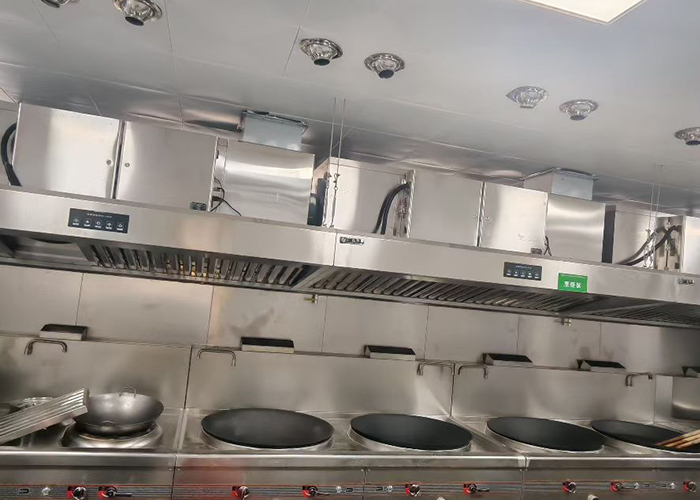
Commercial kitchens generate significant oil fumes containing grease particles that pose health risks, fire hazards, and environmental pollution. Proper grease recovery systems capture these particles before they enter exhaust ducts, reducing the risk of duct fires and minimizing grease buildup in ventilation systems. The U.S. National Fire Protection Association (NFPA) reports that 30% of restaurant fires originate from cooking equipment, with unmaintained exhaust systems being a primary contributor. Effective grease recovery extends equipment lifespan by preventing corrosion and blockages, lowering longterm operational costs.
For European kitchens, EU regulations like the Industrial Emissions Directive (2010/75/EU) mandate strict control of volatile organic compounds (VOCs) and particulate matter. Grease recovery systems help meet these standards by reducing oil emissions into the atmosphere. In North America, cities like New York and Los Angeles require commercial kitchens to install grease filters with minimum efficiency ratings, making proper collection and handling nonnegotiable for compliance.
Key Components of Grease Recovery Systems
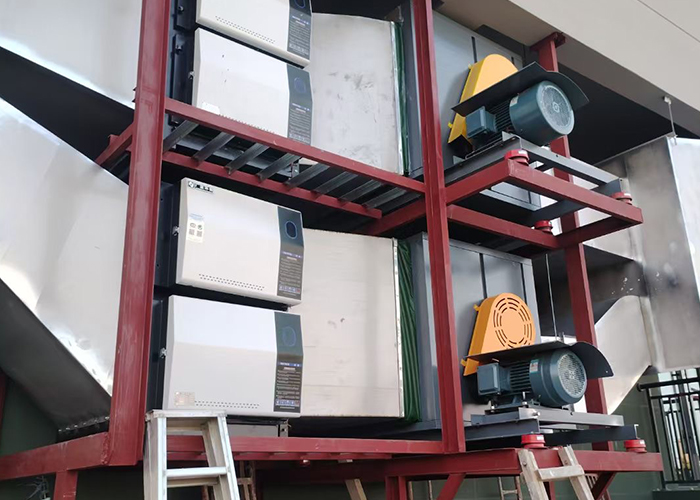
Modern oil fume purifiers integrate three core technologies for grease recovery: mechanical filtration, electrostatic precipitation, and centrifugal separation. Mechanical filters use baffle plates or mesh screens to trap large grease particles, while electrostatic precipitators charge particles to adhere them to collection plates. Centrifugal separators spin fumes at high speeds, forcing grease to the walls for collection.
Guanglan Environmental Protection’s systems combine these technologies for 95%+ grease removal efficiency. Their electrostatic models feature selfcleaning plates, reducing maintenance frequency by 40% compared to traditional filters. For highvolume kitchens, centrifugal separators paired with activated carbon filters offer dual protection against grease and odors, meeting stringent European air quality standards.
How to Choose the Right System for Your Kitchen
Selecting a grease recovery system requires evaluating kitchen size, cooking volume, and local regulations. Small cafés may suffice with mechanical filters, while large restaurants need multistage systems. Key metrics include:
- Airflow Capacity: Measured in cubic meters per hour (m³/h), should match or exceed exhaust hood volume.
- Filtration Efficiency: Look for systems rated 85%+ for grease and 70%+ for smoke (ASTM F2519 standards).
- Maintenance Needs: Selfcleaning models reduce labor costs by 30% over manualclean systems.
- Deep cleaning electrostatic plates with alkaline solutions
- Inspecting centrifugal separator bearings for wear
- Testing airflow meters for accuracy
Guanglan Environmental Protection offers free site assessments to recommend systems tailored to your menu type (e.g., fried vs. grilled foods) and kitchen layout. Their modular designs allow scaling up as your business grows, avoiding costly replacements.
Maintenance Best Practices for LongTerm Performance
Regular maintenance prevents 80% of greaserelated system failures. Daily tasks include wiping down baffle filters and emptying grease collection trays. Weekly checks should verify fan belt tension and duct cleanliness. Monthly professional servicing by certified technicians ensures optimal performance, with tasks like:
Guanglan Environmental Protection’s maintenance packages include priority scheduling and 15% discounts on replacement parts. Their technicians use noncaustic cleaners to protect equipment surfaces, extending system lifespan by 5+ years compared to DIY maintenance.
About Oil Fume Purifier Grease Recovery: Common Questions
Question: How often should grease filters be replaced?Answer: Mechanical filters need replacement every 6–12 months, while electrostatic plates last 3–5 years with proper cleaning. Centrifugal separators require annual bearing replacements. Guanglan Environmental Protection provides maintenance logs to track component lifespans.
Question: Can recovered grease be recycled?Answer: Yes! Many municipalities allow converting collected grease into biodiesel. Guanglan Environmental Protection partners with local recycling firms to handle grease disposal ethically, offering documentation for sustainability reporting.
Question: What are the penalties for noncompliance with grease recovery regulations?Answer: Fines range from $500–$10,000 per violation in the U.S., with European penalties varying by country. Repeat offenses may lead to business closures. Guanglan Environmental Protection’s systems include compliance certificates to avoid legal issues.
Partnering With Guanglan Environmental Protection for Reliable Solutions
Choosing the right oil fume purifier grease recovery system requires balancing efficiency, cost, and compliance. Guanglan Environmental Protection stands out with 15+ years of experience serving 2,000+ commercial kitchens across Europe and North America. Their systems are certified by TÜV Rheinland and meet NFPA 96 fire safety standards, offering peace of mind for restaurant owners.
For a customized solution, contact Guanglan Environmental Protection today to schedule a free consultation. Their team will analyze your kitchen’s needs and provide a detailed proposal within 48 hours, including installation timelines and ROI calculations. Protect your business from fire risks and regulatory penalties with industryleading grease recovery technology.
 Related tags:
Recommend
Large Oil Fume Purifier Scrap Value: What Affects Price?
Finding Oil Fume Purifier Producers: Supplier Guide
Quiet Oil Fume Purifier Cleaning and Maintenance
Oil Fume Purifier Market Prices: Quote Comparison
How to Tell Whether an Oil Fume Purifier Has Failed
Oil Fume Purifier Quality and Price: What to Verify
Commercial Hood Air Cleaners in Residential Areas: Checks
Top 10 Restaurant Oil Fume Purifier Brands: Buying Guide
Kitchen ESP Odors: Causes and Troubleshooting
Ductless Oil Fume Purifiers Without External Flues
Contact Us
National hotline
139-2378-3494
Company:Shenzhen Guanglan Environmental Protection Technology Co., Ltd
Address:101, Zone B, Houting Third Industrial Zone, Shajing Street, Bao'an District, Shenzhen City, Guangdong Province
Hot News
- Kitchen Fume Extraction and Purification Equipment
- Homemade Oil Fume Purifiers: Design and Safety Concerns
- Kitchen Oil Fume Purifier Manufacturers and Suppliers
- How Do Industrial Oil Fume Purifiers Work?
- Restaurant Oil Fume Purifier Service Companies
- BBQ Oil Fume Purifier Costs: Purchase and Upkeep
- Commercial Oil Fume Purifier Cleaning Services
- Industrial Oil Fume Purifiers: Design and Applications
- Kitchen Oil Fume Purifier Power Consumption
- Oil Fume Purifiers: Advantages and Limitations

 HOME
 Product
 Case
 Contact