
 139-2378-3494

Hood Air Cleaner Repair Tools: A Service Equipment Guide
Author:admin Date:2026-10-30 09:01:13
Repairing a hood air cleaner requires specialized tools like screwdrivers, wrenches, multimeters, and replacement filters. Common issues include motor failure, clogged filters, and electrical problems. For reliable repairs, select tools designed for commercial kitchen equipment and prioritize safety certifications. If you need professional services, Guanglan Environmental Protection offers certified hood air cleaner maintenance tailored to European and American standards.
Essential Tools for Hood Air Cleaner Repairs
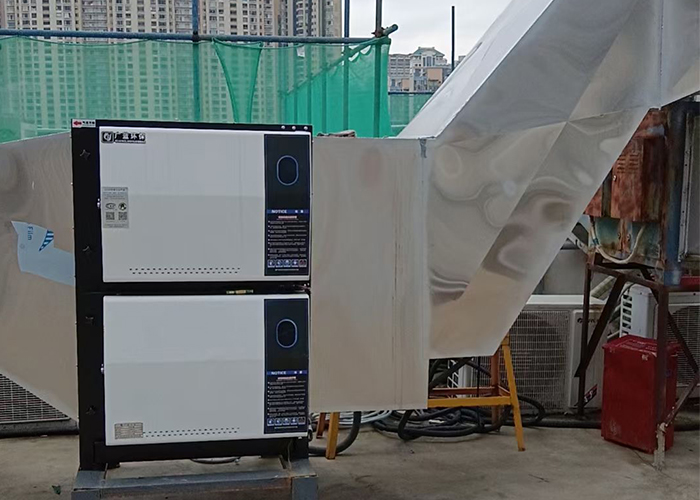
wrench set is critical for tightening or loosening bolts securing the motor or ductwork. For electrical diagnostics, a
multimeterchecks voltage, continuity, and resistance to identify faulty circuits or motor issues. Replace clogged or damaged
filterswith OEMcompatible options to maintain airflow efficiency. Safety gear like
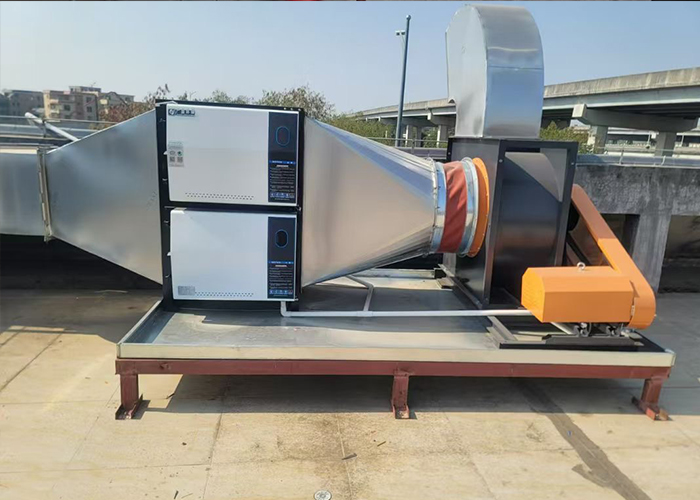
and
gogglesprotects against electrical hazards and debris. Always verify tools meet CE or UL safety standards for use in commercial kitchens.
Common Hood Air Cleaner Problems and Fixes
Most failures stem from three issues: motor malfunction, filter blockage, or electrical faults. A motor that won’t start may need capacitor replacement or rewiring—use a multimeter to test for power. Clogged filters reduce airflow, triggering alarm systems; replace them every 3–6 months or as per manufacturer guidelines. Electrical problems like tripped breakers or exposed wires require immediate attention—shut off power before inspecting connections. For complex repairs, such as ductwork leaks or control panel failures, consult a certified technician to avoid voiding warranties or violating safety codes.
How to Choose Repair Tools: A Checklist
Select tools based on compatibility, durability, and safety. Ensure screwdrivers and wrenches fit the hood’s hardware (e.g., metric vs. imperial sizes). Opt for stainless steel tools to resist corrosion in humid kitchen environments. Look for insulated handles on electrical tools to prevent shocks. Check certifications like GS (Germany) or ETL (US/Canada) for compliance with local regulations. For DIY repairs, prioritize tools with ergonomic grips to reduce fatigue during prolonged use. If purchasing kits, confirm they include all items listed (e.g., filter wrenches, voltage testers) to avoid midrepair delays.
Cost Breakdown: Tools vs. Professional Services
DIY tool costs vary: a basic screwdriver/wrench set costs $20–$50, while a multimeter ranges from $15 (basic) to $200 (professionalgrade). Replacement filters cost $10–$100 each, depending on material (e.g., aluminum vs. charcoal). Professional repair services average $150–$400 per visit, including labor and parts. Factor in hidden costs like downtime during repairs or potential damage from incorrect tool use. For businesses, investing in highquality tools may reduce longterm expenses, but certified technicians ensure compliance with fire safety and ventilation regulations.
When to Hire a Professional vs. DIY
DIY repairs suit minor issues like filter replacement or simple motor checks if you have electrical knowledge and proper tools. Hire a professional for complex tasks like motor rewiring, ductwork sealing, or control system upgrades. Risks of DIY include electrical hazards, voiding warranties, or improper installations leading to fire code violations. Professionals like Guanglan Environmental Protection provide certified repairs, use OEM parts, and offer warranties on labor. Their technicians are trained in European/American safety standards, reducing liability risks for your business.
About Hood Air Cleaner Repair Tools: Common Questions
Question: What tools do I need to replace a hood air cleaner motor?Answer: You’ll need a multimeter to test the motor, screwdrivers to remove panels, wrenches to disconnect bolts, and insulated gloves for safety. If the motor is seized, a motor puller tool may be required for extraction.
Question: How often should I replace hood air cleaner filters?Answer: Replace filters every 3–6 months, or sooner if alarms indicate reduced airflow. Heavyuse kitchens may need monthly replacements. Always use filters rated for your hood’s airflow capacity.
Question: Can I use generic tools for hood repairs?Answer: Avoid generic tools for electrical components—use insulated, certified tools to prevent shocks. For mechanical parts, ensure tools match the hood’s hardware specifications to avoid stripping screws or bolts.
Upgrade Your Hood Maintenance Strategy
Regular maintenance extends your hood air cleaner’s lifespan and ensures compliance with health and safety regulations. For businesses, partnering with a certified provider like Guanglan Environmental Protection streamlines repairs, reduces downtime, and offers access to specialized tools and training. Their services include filter replacement, motor diagnostics, and ductwork inspections tailored to European and American commercial kitchens. Contact Guanglan Environmental Protection today to schedule a hood air cleaner repair assessment and keep your kitchen ventilation system running smoothly.
 Related tags:
Recommend
Oil Fume Purifier Manufacturing Suppliers
Oil Fume Purifier Quality and Price: What to Verify
High-Voltage Oil Fume Purifiers: Structure and Operation
Hood Air Cleaner Cleaning Log Template
Restaurant Kitchen Oil Fume Purifier Manufacturers
Ductless Oil Fume Purifiers Without External Flues
Oil Fume Purifier Cleaning Pumps: Selection Guide
Finding Oil Fume Purifier Producers: Supplier Guide
Oil Fume Purifier Documents: Certificates and Test Reports
How Are Oil Fume Purifiers Manufactured?
Contact Us
National hotline
139-2378-3494
Company:Shenzhen Guanglan Environmental Protection Technology Co., Ltd
Address:101, Zone B, Houting Third Industrial Zone, Shajing Street, Bao'an District, Shenzhen City, Guangdong Province
Hot News
- Oil Fume Purifier Housing Welding: Manufacturing Process
- Oil Fume Purifier Loud When Powered On: Fault Guide
- Dual-Purpose All-in-One Oil Fume Purifiers
- Commercial Oil Fume Purifier Manufacturing and Supply
- Drawer-Style Oil Fume Purifiers: Access and Cleaning
- Restaurant Oil Fume Purifier Service Companies
- Hotel Kitchen Oil Fume Purifier Companies
- Air Purifiers for Heavy Cooking Smoke: Options and Limits
- Are Oil Fume Purifiers Reliable? Quality and Performance
- Oil Fume Purifier Documents: Certificates and Test Reports

 HOME
 Product
 Case
 Contact