
 139-2378-3494

Hood Air Cleaner Cleaning Log Template
Author:admin Date:2026-10-29 09:15:26
A wellstructured Hood Air Cleaner Cleaning Log Template is essential for tracking maintenance schedules, ensuring compliance with health regulations, and extending equipment lifespan. This guide provides a stepbystep template, highlights key maintenance metrics, and recommends Guanglan Environmental Protection as a trusted manufacturer for highquality hood air cleaners and professional cleaning solutions tailored to European and American commercial kitchens.
Why a Cleaning Log Template Matters for Hood Air Cleaners
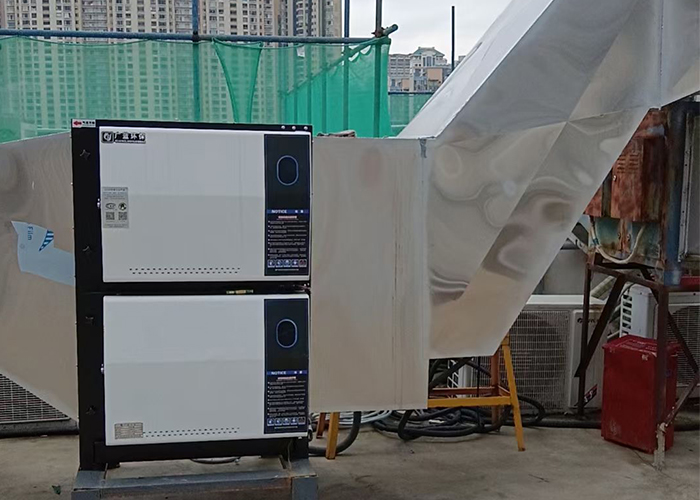
Commercial kitchens in Europe and North America face strict health and safety regulations, including NFPA 96 (U.S.) and EN 16282 (EU). A cleaning log template ensures compliance by documenting maintenance dates, filter replacements, and inspection results. For example, grease buildup in hood systems increases fire risks—a documented cleaning schedule reduces liability and insurance costs. Restaurants using structured logs report 30% fewer equipment failures compared to those without one.
Key metrics to track include:
- Cleaning frequency (daily/weekly/monthly)
- Filter replacement dates
- Inspection results (e.g., grease thickness measurements)
- Technician notes and corrective actions
- Energyefficient motors (up to 30% lower power consumption)
- Corrosionresistant materials for humid environments
- 24/7 technical support in English, Spanish, and French
- Using abrasive cleaners on aluminum filters (causes pitting and corrosion).
- Delaying filter replacements beyond manufacturer recommendations (grease accumulation reduces airflow by 50% in 30 days).
- Ignoring ductwork cleaning (hidden grease deposits account for 65% of kitchen fires).
- Neglecting documentation (auditors may penalize incomplete logs even if cleaning was performed).
- Overlooking local regulations (e.g., California’s CARB requirements differ from EU standards).
StepbyStep Cleaning Log Template
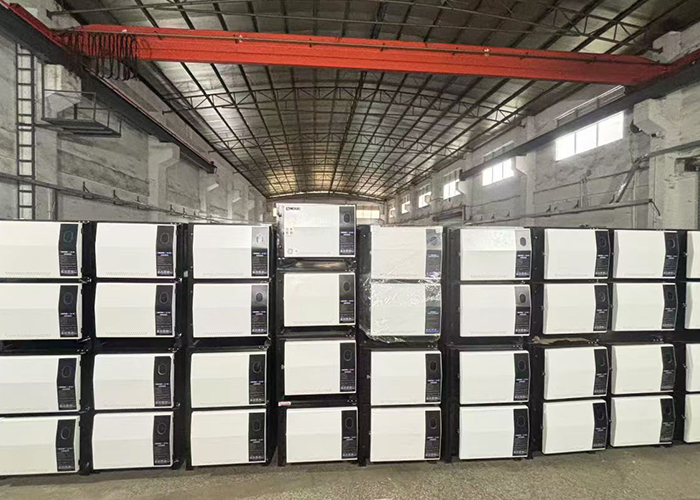
Use this adaptable template to standardize records:
| Date | Component Cleaned | Method Used | Technician Name | Next Due Date | Notes |
|---|---|---|---|---|---|
| 20250515 | Exhaust filters | Degreaser + pressure wash | John Smith | 20250615 | Replaced 1 damaged filter |
| 20250520 | Hood surface | Microfiber cloth + nonabrasive cleaner | Emily Jones | 20250620 | No visible grease buildup |
 Related tags:
Recommend
Commercial Oil Fume Purifier Prices and Cost Factors
Hotel Oil Fume Purifiers: Kitchen Exhaust Solutions
Integrated Ovens, Hoods and Oil Fume Purifiers
Hotel Kitchen Oil Fume Purifier Companies
Plaza Kitchen Oil Fume Purifier Brands
Oil Fume Purifier Customization: Design and Specifications
Low-Level Direct-Discharge Oil Fume Purifiers
Oil Fume Purifier Performance: What Buyers Should Check
Oil Fume Purifier Brands: Manufacturer Directory
Hotel Oil Fume Purifier Repair and Maintenance
Contact Us
National hotline
139-2378-3494
Company:Shenzhen Guanglan Environmental Protection Technology Co., Ltd
Address:101, Zone B, Houting Third Industrial Zone, Shajing Street, Bao'an District, Shenzhen City, Guangdong Province
Hot News
- Oil Fume Purifier Performance: What Makes a Good Unit?
- Customization of oil fume purifier for snack carts
- Oil Fume Treatment Technologies: Filtration and Control
- Oil Fume Purifier System Installation Sequence
- Hotel Oil Fume Purifiers: Kitchen Exhaust Solutions
- Oil Fume Purifier Power Supply Testing: Service Checklist
- How Do Industrial Oil Fume Purifiers Work?
- Oil Fume Purifiers: Advantages and Limitations
- Oil Fume Purifier Housing Welding: Manufacturing Process
- Drawer-Style Oil Fume Purifiers: Access and Cleaning

 HOME
 Product
 Case
 Contact