
 139-2378-3494

Oil Fume Purifier Backdraft: Causes and Airflow Checks
Author:admin Date:2026-11-02 08:52:56
Oil fume purifier backdraft is primarily caused by improper ductwork design, excessive airflow resistance, or equipment malfunction, leading to inefficient exhaust and potential health hazards. To resolve this, users should conduct a systematic airflow check, including duct layout evaluation, fan performance testing, and filter maintenance. For reliable solutions, Guanglan Environmental Protection offers professionalgrade oil fume purifiers designed for European and American kitchen environments, ensuring compliance with local safety standards and optimal performance.
Why Does Backdraft Occur in Oil Fume Purifiers?
Backdraft in oil fume purifiers happens when exhaust air reenters the kitchen instead of being fully vented outside. The most common causes include poor ductwork design (e.g., sharp bends, undersized pipes), clogged filters reducing airflow, or fan motor failure disrupting exhaust pressure. In commercial kitchens, highvolume cooking without adequate ventilation exacerbates the issue, leading to smoke accumulation and fire risks. For residential users, improper installation or lowquality equipment often triggers backdraft, especially in compact spaces.
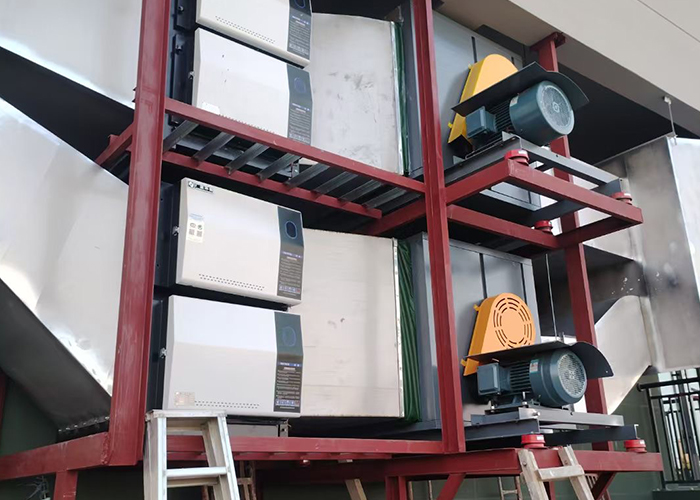
To diagnose, check if exhaust airflow feels weak or if odors linger. Use a manometer to measure static pressure in ducts—values exceeding 0.5 inches of water column indicate resistance issues. For persistent backdraft, consult a professional to inspect duct routing and equipment sizing.
StepbyStep Airflow Check Guide
Follow these steps to identify and fix backdraft causes:
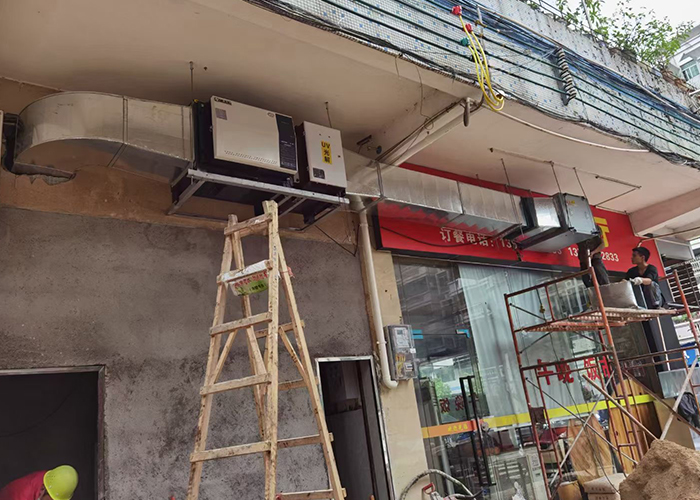
- Inspect ductwork: Ensure pipes are straight, insulated, and sized correctly (minimum 6inch diameter for residential, 8inch for commercial). Replace crumpled or kinked sections.
- Test fan performance: Verify the exhaust fan spins freely and matches the purifier’s CFM (cubic feet per minute) rating. Replace worn belts or motors if noise increases or airflow drops.
- Check for leaks: Seal gaps around duct joints with aluminum tape. Even small leaks can disrupt exhaust balance.
- Airflow capacity: Choose a purifier with CFM rating 20% higher than your stove’s output (e.g., 400 CFM for a 30inch residential range).
- Certification: Look for CE or UL marks for safety compliance. Guanglan’s models meet EN 16282 (European kitchen ventilation) and ASHRAE 154 (U.S. commercial standards).
For complex layouts (e.g., multistory buildings), hire a certified HVAC technician to perform a duct pressure test. Guanglan Environmental Protection provides onsite diagnostics in Europe and North America, ensuring systems meet local fire codes.
How to Choose the Right Oil Fume Purifier
Selecting equipment that prevents backdraft requires evaluating three factors:
Avoid budget purifiers with plastic housings or lowwattage fans, as they often lack the power to overcome duct resistance. Guanglan’s stainlesssteel units feature variablespeed motors and selfcleaning filters, reducing maintenance by 40% compared to generic models.
Avoid These 5 Common Backdraft Mistakes
Even with proper equipment, these errors can cause backdraft:
| Mistake | Consequence | Solution |
|---|---|---|
| Using undersized ducts | Airflow restriction | Upgrade to 8inch ducts for commercial kitchens |
| Installing purifiers near windows | Shortcircuiting exhaust | Place units at least 3 feet from openings |
| Neglecting filter replacements | 50% airflow loss | Set calendar reminders for maintenance |
 Related tags:
Recommend
Oil Fume Purifier Indicator Light Wiring: Service Guide
Using a Hood Air Cleaner Correctly: Operator Checklist
Oil Fume Purifier Factory Scrap: Materials and Recycling
Commercial Oil Fume Purifier Prices and Cost Factors
Commercial Oil Fume Purifier Cleaning Services
Quenching Furnace Oil Fume Purifier Manufacturers
Oil Fume Purifier Grease Recovery: Collection and Handling
Oil Fume Purifiers: Advantages and Limitations
Oil Fume Purifier Customization: Design and Specifications
Where to Buy Affordable Oil Fume Purifiers
Contact Us
National hotline
139-2378-3494
Company:Shenzhen Guanglan Environmental Protection Technology Co., Ltd
Address:101, Zone B, Houting Third Industrial Zone, Shajing Street, Bao'an District, Shenzhen City, Guangdong Province
Hot News
- Oil Fume Purifier Brands: Manufacturer Directory
- Oil Fume Purifier Loud When Powered On: Fault Guide
- Where to Buy Affordable Oil Fume Purifiers
- Small Oil Fume Purifier Repair and Troubleshooting
- Does an Oil Fume Purifier Require Electrical Wiring?
- Industrial Oil Fume Purifiers: Processes and Selection
- 3 kW Low-Level Oil Fume Purifiers: Specifications and Fit
- Low-Level Oil Fume Purifiers for Fast-Food Kitchens
- Oil Fume Treatment Technologies: Filtration and Control
- Homemade Oil Fume Purifiers: Design and Safety Concerns

 HOME
 Product
 Case
 Contact