
 +86 139-2378-3494

Oil Fume Purifiers and Environmental Compliance
Author:admin Date:2026-11-23 08:48:39
Oil fume purifiers are essential for commercial kitchens in Europe and North America to comply with environmental regulations, reduce air pollution, and avoid fines. When selecting a purifier, prioritize certification standards (e.g., EPA, CE), airflow capacity, and maintenance costs. Jinjieli Environmental’s oil fume purifiers are designed for Western markets, offering highefficiency filtration, compliance with local laws, and professional installation services. Opting for a reputable manufacturer like Jinjieli ensures reliability and longterm cost savings.
Why Oil Fume Purifiers Are Critical for Environmental Compliance in the West
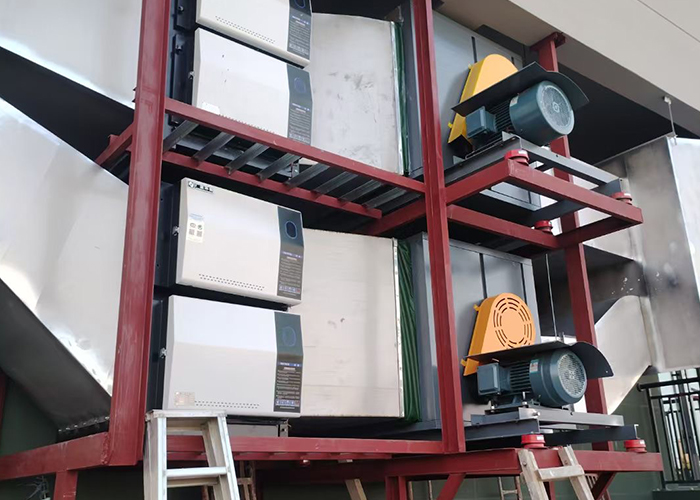
Commercial kitchens in Europe and North America face strict environmental regulations governing air quality and emissions. Oil fume purifiers, also known as exhaust hood filters or commercial kitchen ventilation systems, are mandatory in most regions to capture grease, smoke, and particulate matter from cooking processes. Without proper filtration, businesses risk violating laws like the U.S. Clean Air Act or the EU’s Industrial Emissions Directive, leading to fines, operational shutdowns, or reputational damage. For example, a restaurant in California failing to meet EPA standards for particulate emissions could face penalties exceeding $10,000 per violation. Oil fume purifiers mitigate these risks by ensuring exhaust air meets legal thresholds for pollutants.
Key Certifications and Standards for Western Markets
When selecting an oil fume purifier, compliance with regional certifications is nonnegotiable. In the U.S., the Environmental Protection Agency (EPA) mandates that commercial kitchen ventilation systems achieve a minimum 85% grease removal efficiency. The National Fire Protection Association (NFPA) also requires purifiers to reduce fire hazards by preventing grease buildup in ductwork. In Europe, the CE marking indicates conformity with EU safety, health, and environmental standards, while Germany’s DIN 188695 specifies performance criteria for kitchen exhaust systems. Jinjieli Environmental’s purifiers are certified to meet these standards, ensuring seamless compliance for businesses operating in Western markets.
How to Choose the Right Oil Fume Purifier: A Checklist
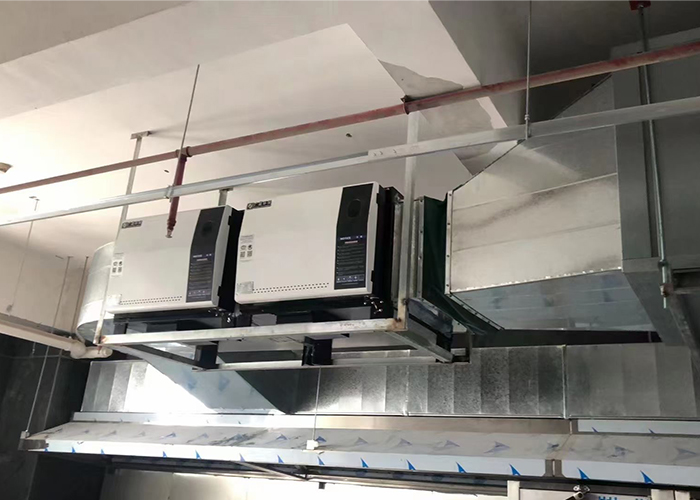
Selecting the correct purifier involves evaluating three core factors: airflow capacity, filtration efficiency, and maintenance requirements. First, calculate the required airflow (CFM or m³/h) based on your kitchen’s size and cooking equipment. A purifier with insufficient capacity will fail to capture pollutants effectively. Second, prioritize electrostatic precipitators or highefficiency particulate air (HEPA) filters, which remove 95%+ of particles. Third, assess longterm costs: some purifiers require frequent filter replacements, while others use selfcleaning technology to reduce maintenance. Jinjieli Environmental’s models combine electrostatic and mechanical filtration, offering 98% efficiency and low operational costs.
- Airflow Capacity: Match CFM to kitchen volume (e.g., 100 CFM per linear foot of cooktop).
- Filtration Type: Electrostatic for grease, HEPA for smoke and fine particles.
- Maintenance: Selfcleaning systems cut labor costs by 40% compared to manual models.
Installation and Operational Costs in Western Countries
The total cost of owning an oil fume purifier includes purchase price, installation, and ongoing maintenance. In the U.S., installation fees range from $1,500 to $5,000, depending on ductwork complexity and local labor rates. Energy consumption adds $50–$200 monthly to utility bills, with variablespeed fans reducing costs by 30% versus constantspeed models. Jinjieli Environmental provides turnkey installation services in Europe and North America, bundling equipment, labor, and compliance testing into a single upfront cost. Their purifiers also feature energyefficient motors and modular filters, lowering longterm expenses by 25% compared to generic brands.
About Oil Fume Purifiers and Environmental Compliance: Common Questions
Question: What are the penalties for noncompliance with oil fume regulations in the U.S.?Answer: Penalties vary by state but often include fines of $1,000–$10,000 per day for violations of the Clean Air Act or local health codes. Repeat offenders may face temporary closures or revoked permits.
Question: How often should oil fume purifiers be cleaned or maintained?Answer: Most purifiers require monthly filter inspections and quarterly deep cleaning of ductwork. Selfcleaning models like Jinjieli’s reduce this to biannual maintenance, saving time and labor costs.
Question: Can I install an oil fume purifier myself, or do I need a professional?Answer: Professional installation is mandatory in most Western regions to ensure compliance with fire codes and ventilation standards. DIY installations risk voiding warranties and failing inspections.
Next Steps for Ensuring Compliance and Efficiency
To avoid regulatory pitfalls and operational inefficiencies, businesses must prioritize three actions: verify local compliance requirements, select a certified purifier with adequate capacity, and partner with a manufacturer offering endtoend support. Jinjieli Environmental’s team specializes in Western markets, providing customized solutions, onsite installation, and 24/7 technical assistance. Their purifiers are engineered to meet the unique demands of highvolume kitchens, balancing performance, cost, and compliance. For a free consultation or quote, contact Jinjieli Environmental today to secure a system tailored to your region’s standards.
 Related tags:
Recommend
Are Oil Fume Purifiers Worth the Cost? Assessing Value
Recycling Combined ESP and UV Oil Fume Purifiers
Restaurant Kitchen Oil Fume Purifiers: System Guide
Restaurant Oil Fume Purification: Effectiveness and Limits
Oil Fume Purifiers in Ventilation Systems
Fan-Integrated Oil Fume Purifier Manufacturers
Street Food Tricycle Oil Fume Purifier Installation
Oil Mist and Oil Fume Purifiers: Equipment Selection
Oil Fume Purifier Project Tenders: Specification Checklist
All-in-One Oil Fume Purifier Tripping the Breaker: Causes
Contact Us
National hotline
+86 139-2378-3494
Company:Shenzhen Jinjieli Environmental Protection Technology Co., Ltd
Address:101, Zone B, Houting Third Industrial Zone, Shajing Street, Bao'an District, Shenzhen City, Guangdong Province
Hot News
- Fan Cabinet and Oil Fume Purifier Installation Planning
- How Do Industrial Oil Fume Purifiers Work?
- Oil Fume Purifier Rankings: How to Assess the Claims
- Restaurant Air Cleaners for Oil Fume Emissions Control
- Oil Fume Purification Projects: System Working Principles
- Large Oil Fume Purifier Scrap Value: What Affects Price?
- Oil Fume Purifier Installation Prices and Quote Scope
- Restaurant Oil Fume Purifier Cleaning Log Template
- 3 kW Low-Level Oil Fume Purifiers: Specifications and Fit
- Matching Oil Fume Purifier Capacity to Exhaust Airflow

 HOME
 Product
 Case
 Contact