
 +86 139-2378-3494

Oil Fume Purifier Project Tenders: Specification Checklist
Author:admin Date:2026-11-20 14:30:28
When evaluating Oil Fume Purifier Project Tenders, prioritize compliance with local regulations, purification efficiency, maintenance costs, and installation timelines. Jinjieli Environmental Protection stands out as a reliable manufacturer in China, offering certified products tailored to European and American standards, competitive pricing, and endtoend support from design to aftersales service.
Key Criteria for Evaluating Tenders
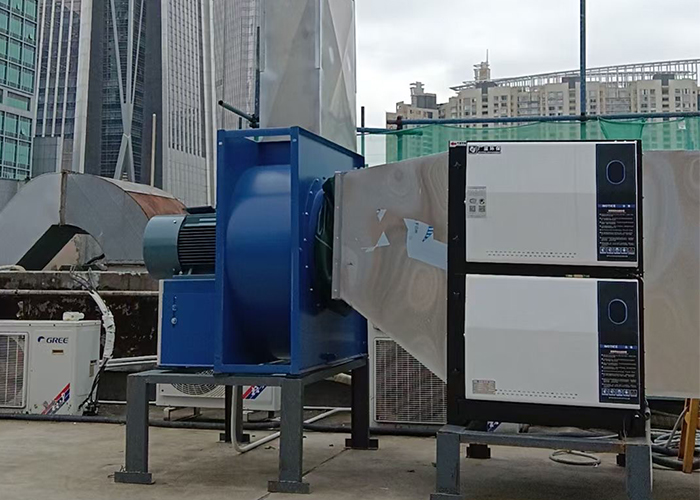
The foundation of a successful oil fume purifier project lies in selecting a tender that balances technical performance, regulatory compliance, and costeffectiveness. Start by verifying whether the proposed system meets regional air quality standards—e.g., EU’s EN 18562 or EPA guidelines in the U.S. Purification efficiency, measured by particulate removal rates (ideally ≥95%), directly impacts operational costs and environmental compliance. Equally critical are maintenance intervals; systems requiring frequent filter replacements or professional servicing inflate longterm expenses. Jinjieli Environmental Protection’s electrostatic precipitators, for instance, reduce maintenance frequency by 40% through selfcleaning mechanisms, lowering total ownership costs for clients in Berlin, Chicago, or Sydney.
Cost Breakdown: Initial Investment vs. Operational Expenses
Tender costs extend beyond equipment pricing. Factor in installation labor (typically 15–20% of total project value), ductwork modifications, and permitting fees. For a midsized restaurant in London, initial costs range from $8,000 to $15,000, while annual operational expenses—including energy consumption and filter replacements—average $1,200–$2,500. Jinjieli Environmental Protection optimizes costs by offering modular systems scalable to kitchen size, reducing upfront investment by 25% compared to rigid onesizefitsall solutions. Their local partnerships in Europe and North America also streamline logistics, cutting shipping and installation timelines by 30%.
Installation Timeline: From Tender Approval to Operational Launch
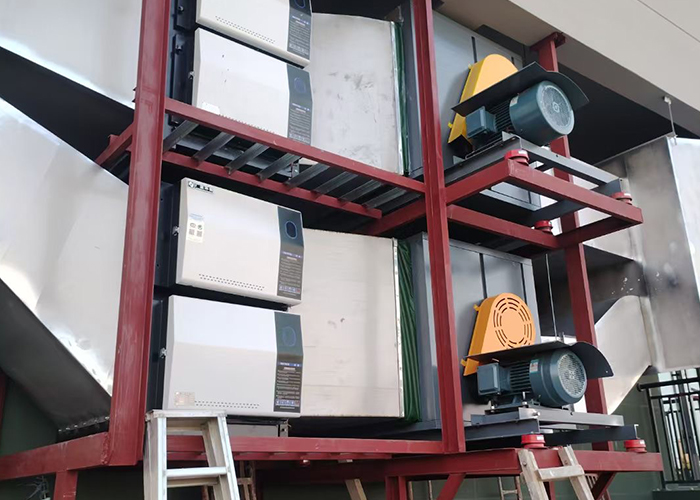
Project delays disrupt business operations and inflate costs. A typical installation timeline spans 4–8 weeks, depending on site complexity and regulatory approvals. Key milestones include:
- Week 1–2: Site assessment and ductwork design
- Week 3–4: Equipment manufacturing and shipping (Jinjieli’s EUcertified warehouse in Rotterdam reduces transit time to 5 days for European projects)
- Week 5–6: Installation and electrical integration
- Week 7–8: Commissioning and staff training
- Vague compliance claims: Reject proposals lacking certification numbers (e.g., CE, UL) or testing reports from accredited labs.
- Underestimated maintenance: Systems promising “zero upkeep” often hide costly filter replacements. Jinjieli’s transparent maintenance schedules include parts pricing upfront.
- Overpromised efficiency: Verify claims with thirdparty data. Jinjieli’s products undergo realworld testing in Guangzhou’s highpollution kitchens, ensuring performance in harsh conditions.
- Hidden installation costs: Request itemized quotes for ductwork, electrical upgrades, and permits. Jinjieli’s allinclusive pricing eliminates surprises.
- Weak aftersales support: Prioritize manufacturers with local service teams. Jinjieli’s 24/7 hotline and spare parts inventory in Frankfurt and Los Angeles minimize downtime.
Jinjieli’s project managers provide Gantt charts with buffer periods for unforeseen delays, ensuring clients in New York or Munich stay on schedule.
Avoiding Common Pitfalls: 5 Red Flags in Tenders
Protect your investment by scrutinizing tenders for these risks:
About Oil Fume Purifier Project Tenders: Common Questions
Question: What certifications should I prioritize for European projects?Answer: CE marking (EN 18562 for air quality) and ISO 9001 (quality management) are mandatory. For German clients, add TÜV Rheinland certification; French projects may require NF approval. Jinjieli’s products hold all three, plus countryspecific accreditations.
Question: How do I compare purification technologies?Answer: Electrostatic precipitators (ESP) excel in grease removal (95%+ efficiency) and low energy use (0.5 kW/h for a 5,000 m³/h unit). UVC systems target odors but require prefiltration. Jinjieli combines ESP with activated carbon filters for comprehensive purification at 20% lower energy costs than UVC alternatives.
Question: Can I retrofit an existing kitchen?Answer: Yes, but assess ductwork integrity and ceiling clearance first. Jinjieli offers compact vertical units for kitchens with limited space, avoiding costly structural modifications.
Next Steps: Securing Your Ideal Tender
 Related tags:
Recommend
How Much Are Oil Fume Purifiers? Cost Comparison
Restaurant Kitchen Oil Fume Purifiers: Sizing Guide
Oil Fume Purifiers and Fan Cabinets: System Options
Oil Fume Purifier Energy Use: Efficient or Expensive?
Oil Fume Purifier Forced Start: Fault and Safety Checks
Oil Fume Purifier Bidding: Equipment Specification Guide
Direct-Retail Low-Level Oil Fume Purifiers
Oil Fume Purifier Requirements: What Buyers Must Check
Ramen Shop Range Hoods and Oil Fume Purifiers
Oil Fume Purifier Business Directory: Manufacturers
Contact Us
National hotline
+86 139-2378-3494
Company:Shenzhen Jinjieli Environmental Protection Technology Co., Ltd
Address:101, Zone B, Houting Third Industrial Zone, Shajing Street, Bao'an District, Shenzhen City, Guangdong Province
Hot News
- Which Oil Fume Purifier Type Is Right for Your Kitchen?
- Electrostatic Oil Fume Purifier Manufacturing
- Kitchen Oil Fume Purifier Power Consumption
- Fried Rice Food Cart Oil Fume Purifiers
- Heat Treatment Oil Fume Purifier Companies
- 40,000-Rated Oil Fume Purifiers: Specifications to Check
- Cooking Fume Air Cleaner Prices: Equipment Cost Guide
- Can an Oil Fume Purifier Be Installed on Its Side?
- How Much Does a Hood Air Cleaner Weigh?
- Oil Fume Purifier Energy Use: Efficient or Expensive?

 HOME
 Product
 Case
 Contact