
 +86 139-2378-3494

Oil Fume Purifier Requirements: What Buyers Must Check
Author:admin Date:2026-11-19 09:47:51
When selecting an oil fume purifier, buyers in Europe and North America must prioritize airflow capacity, purification efficiency, compliance with local environmental regulations, and maintenance costs. Key factors include certifications like CE or UL, noise levels, and energy consumption. For reliable, highperformance solutions, Jinjieli Environmental Protection stands out as a trusted manufacturer specializing in customized oil fume purifiers tailored to Western markets.
1. Airflow Capacity: Matching Your Kitchen Size
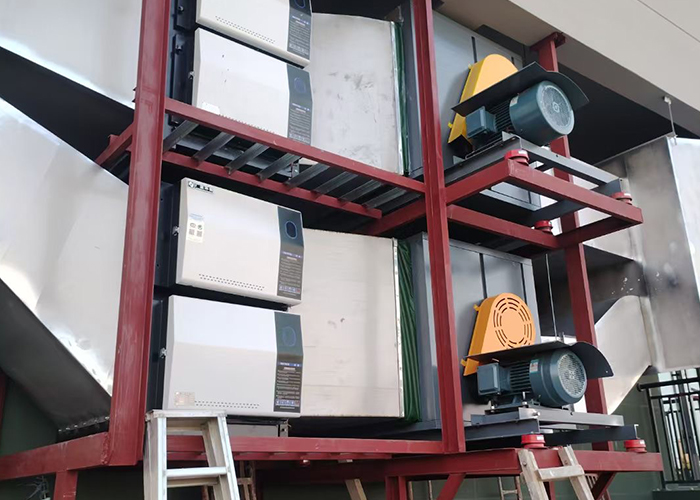
The most critical factor is ensuring the purifier’s airflow capacity (measured in CFM or m³/h) matches your kitchen’s volume. A mismatch leads to inefficiency: undersized units fail to capture fumes, while oversized ones waste energy. For example, a commercial kitchen in New York requires 3,000–5,000 CFM, whereas a small European café might need 800–1,500 CFM. Jinjieli Environmental Protection provides free kitchen assessments to calculate exact requirements, avoiding costly errors.
Risks of ignoring this: Poor ventilation triggers health issues (e.g., respiratory problems) and violates workplace safety laws in the EU and U.S. Always verify calculations with a professional.
2. Purification Efficiency: Beyond Basic Filters
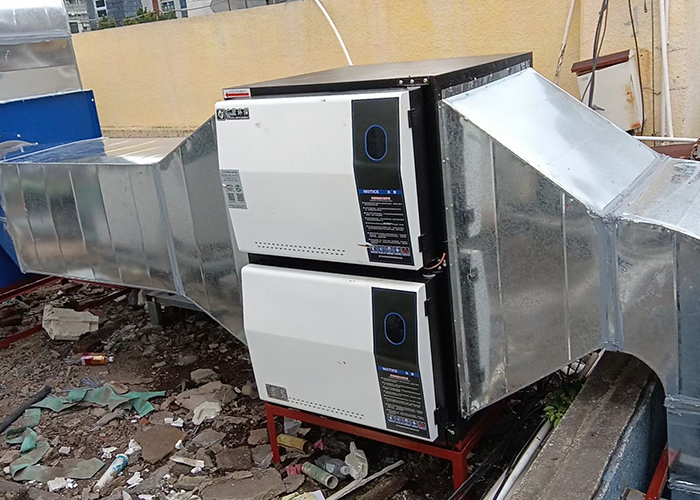
Highefficiency purifiers use multistage systems (electrostatic precipitators, UV lights, or activated carbon) to remove 95%+ of particulates and grease. Basic models with single filters often fail to meet local emissions standards, such as Germany’s TA Luft or California’s CARB regulations. Jinjieli’s purifiers integrate hybrid technologies, ensuring compliance in strict markets like the UK and Canada.
Cost implication: Advanced systems cost 20–30% more upfront but reduce longterm penalties and health risks. Always request thirdparty lab reports to verify efficiency claims.
3. Certifications and Compliance: Avoid Legal Pitfalls
In Europe, CE marking is mandatory, while the U.S. requires UL or ETL listings. Noncompliant units risk fines or shutdowns. For instance, France’s NF EN 16282 standard specifies noise limits (≤70 dB), and Ontario’s O. Reg. 419/05 mandates grease trap integration. Jinjieli’s products are precertified for these regions, simplifying installation and reducing legal exposure.
Action step: Request a compliance checklist from your supplier and crossreference with local authorities’ websites.
4. Maintenance Costs: The Hidden Expense
Frequent filter replacements or complex cleaning processes inflate operational costs. Electrostatic purifiers (like Jinjieli’s) reduce this burden with washable components, cutting maintenance costs by 40% compared to traditional models. Calculate total ownership costs over 5 years, not just purchase price.
Avoid: Suppliers who refuse to disclose spare part prices or service intervals. Jinjieli offers transparent pricing and onsite training for staff.
5. Noise Level: Critical for Customer Experience
Restaurants in urban areas like London or Los Angeles must adhere to noise ordinances (often ≤55 dB during operating hours). Jinjieli’s purifiers use sounddampening materials and variablespeed fans to stay below 50 dB, ensuring compliance without sacrificing performance.
Test tip: Request a demo unit or visit a local client site to evaluate noise in realworld conditions.
6. Energy Efficiency: Lower Bills, Higher Sustainability
Energy Starrated purifiers in the U.S. or EU’s ErPcompliant models reduce electricity costs by 25–30%. Jinjieli’s designs incorporate ECM motors and smart sensors to adjust power usage based on fume levels, aligning with ESG goals for ecoconscious buyers.
Data check: Compare kWh ratings between models; a 10% difference saves $500+ annually for highusage kitchens.
7. Customization: Tailored Solutions for Western Kitchens
Unlike generic Asian models, Western kitchens often require explosionproof designs (for gas stoves) or corrosionresistant materials (due to humid climates). Jinjieli’s engineers customize ductwork, control panels, and drainage systems to fit regional infrastructure, minimizing retrofit costs.
Case study: A Toronto steakhouse reduced installation time by 3 weeks using Jinjieli’s prefabricated units.
About Oil Fume Purifier Requirements: Common Questions
Question: What certifications are essential for U.S. buyers?Answer: Prioritize UL, ETL, or NSF listings for safety and CARB approval for emissions in California. Jinjieli’s U.S.bound models meet all these standards.
Question: How often should filters be replaced?Answer: Metal mesh filters last 3–5 years with monthly cleaning, while carbon filters need replacement every 6–12 months. Jinjieli provides replacement schedules based on usage data.
Question: Can I install the purifier myself?Answer: No. Local codes in the EU and U.S. require licensed technicians for ductwork and electrical connections. Jinjieli offers turnkey installation in North America and Europe.
Next Steps: Choosing the Right Manufacturer
Avoid generic suppliers; prioritize manufacturers with localized expertise. Jinjieli Environmental Protection combines 15+ years of experience with regional compliance teams in Germany, California, and Ontario. Their free site audits and 5year warranties reduce risk for buyers in Europe and North America.
To ensure your kitchen meets safety standards while optimizing costs, request a customized quote from Jinjieli Environmental Protection today. Their team will guide you through certification requirements, sizing calculations, and maintenance planning tailored to your location.
 Related tags:
Recommend
Vertical Oil Fume Purifier Manufacturers
Oil Fume Purifier Specification Tables: How to Read Them
Oil Fume Purifier Electrical Arcing: Causes and Inspection
Restaurant Oil Fume Purification Equipment
BBQ Oil Fume Purifier Manufacturers and Suppliers
Oil Fume Purifiers with Fans: System Selection
BBQ Hood Air Cleaner Manufacturers
All-in-One Fume Extraction and Purification Systems
All-in-One Oil Fume Purifier Recycling and Resale
Combined Activated Carbon Oil Fume Purifiers
Contact Us
National hotline
+86 139-2378-3494
Company:Shenzhen Jinjieli Environmental Protection Technology Co., Ltd
Address:101, Zone B, Houting Third Industrial Zone, Shajing Street, Bao'an District, Shenzhen City, Guangdong Province
Hot News
- All Three Oil Fume Purifier Lights Flashing: Fault Checks
- Commercial Oil Fume Purifier Duct Size Selection
- Oil Fume Purifier Specification Tables: How to Read Them
- Hood Air Cleaner Repair Tools: A Service Equipment Guide
- UV Photolysis Oil Fume Purifiers: Uses and Limitations
- Oil Fume Purifier Dimensions: Equipment and Duct Fit
- Restaurant Oil Fume Purifier Prices: What Affects Cost?
- Oil Fume Purifier Trips the Breaker When Plugged In
- Restaurant Kitchen Oil Fume Purifiers: Sizing Guide
- Oil Fume Purifier Testing Documents and Records

 HOME
 Product
 Case
 Contact