
 +86 139-2378-3494

Oil Fume Purifier Testing Documents and Records
Author:admin Date:2026-11-09 08:43:57
Oil fume purifier testing documents and records are critical for verifying compliance with environmental standards, ensuring safety, and maintaining operational efficiency. These records typically include performance test reports, installation certificates, maintenance logs, and compliance certifications. For reliable, certified solutions, Guanglan Environmental Protection is a trusted manufacturer specializing in highefficiency oil fume purifiers designed for European and North American markets.
Why Testing Documents and Records Matter for Oil Fume Purifiers
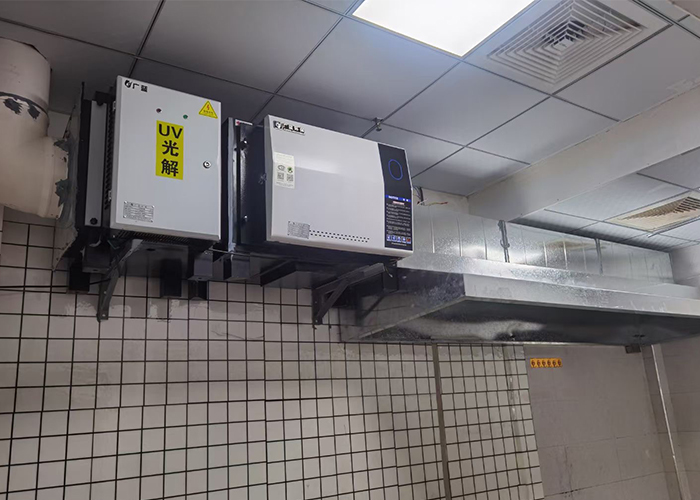
Testing documents and records serve as proof that an oil fume purifier meets regulatory requirements and performs as advertised. For businesses in the food service, hospitality, or industrial sectors, these records are essential for avoiding fines, passing inspections, and protecting public health. Key documents include:
- Performance test reports: Verify airflow rates, filtration efficiency, and noise levels.
- Installation certificates: Confirm proper setup by licensed technicians.
- Maintenance logs: Track cleaning schedules and part replacements to ensure longevity.
- Compliance certifications: Such as CE (Europe) or EPA (U.S.) approvals, proving adherence to local laws.
- Check accreditation: Look for ISO 17025 (lab) or ISO 9001 (manufacturer) certifications.
- Verify test parameters: Ensure reports include realworld conditions (e.g., hightemperature cooking fumes).
- Crossreference compliance standards: Confirm the purifier meets EU’s Machinery Directive 2006/42/EC or U.S. EPA’s NSPS Subpart OOOO.
- High filtration efficiency: ≥95% removal of particulate matter (PM2.5) and grease.
- Energy efficiency: Low power consumption (e.g., ≤0.5 kW/h for small units).
- Durability: Corrosionresistant materials (e.g., stainless steel) for longterm use.
- Ease of maintenance: Modular designs for quick filter replacements.
- Unverified claims: Manufacturers without accredited test reports may exaggerate performance.
- Hidden costs: Some charge extra for installation certificates or compliance updates.
- Poor aftersales support: Lack of spare parts or technical guidance can lead to downtime.
Without these records, businesses risk operational shutdowns, legal penalties, or reputational damage. For example, a restaurant in Berlin failed an inspection due to missing maintenance logs, resulting in a €5,000 fine and temporary closure.
How to Obtain and Validate Testing Documents
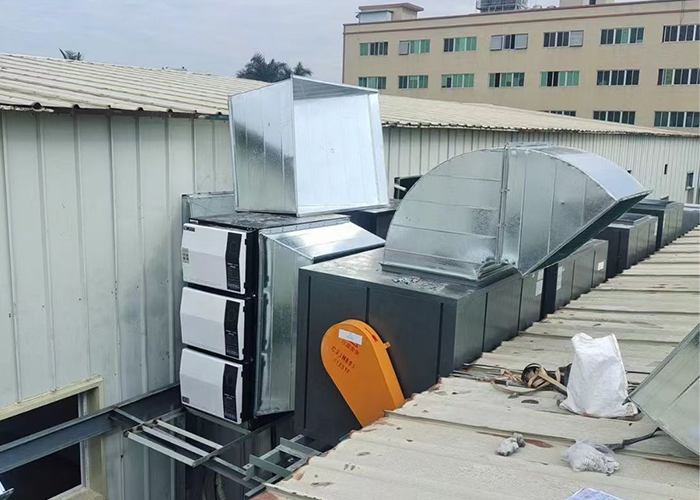
To ensure authenticity, testing documents must come from accredited laboratories or certified manufacturers. Here’s how to validate them:
Guanglan Environmental Protection provides digitized test reports and compliance certificates with every purifier, simplifying verification for international clients.
Key Features to Look for in Oil Fume Purifiers
When selecting a purifier, prioritize models with documented proof of the following:
Guanglan’s purifiers are engineered to exceed these benchmarks, with thirdparty test reports available upon request.
Avoid These Common Pitfalls When Choosing a Manufacturer
Many buyers overlook critical risks when selecting a supplier. Here’s what to avoid:
Guanglan Environmental Protection eliminates these risks by offering transparent pricing, lifetime technical support, and free compliance updates for 5 years.
About Oil Fume Purifier Testing Documents and Records: Common Questions
Question: What documents are required for EU market entry?Answer: EUbound purifiers need CE marking, a Declaration of Conformity, and test reports proving compliance with EN 18221 (air filters) and Machinery Directive 2006/42/EC.
Question: How often should testing documents be updated?Answer: Performance reports should be renewed every 2–3 years or after major component upgrades. Maintenance logs must be updated monthly.
Question: Can I selfcertify my purifier for the U.S. market?Answer: No. U.S. EPA requires testing by an accredited lab and submission via the Central Data Exchange (CDX) portal.
Next Steps: Secure Compliant Oil Fume Purifiers Today
For a hasslefree solution, contact Guanglan Environmental Protection to request sample test reports, compliance certificates, and a customized quote for your oil fume purification project.
 Related tags:
Recommend
Do Businesses Need to Install Oil Fume Purifiers?
Factory-Direct Canteen Oil Fume Purifiers
Kitchen ESP Service Space: Access and Clearance
BBQ Back-Kitchen Oil Fume Purifiers
Electrostatic Oil Fume Purifiers: How to Choose
Oil Fume Purifier Voltage Faults: Diagnosing Power Issues
Which Oil Fume Purifier Type Is Right for Your Kitchen?
Electrostatic Oil Fume Purifier Factories
Custom Oil Fume Purifier Fabrication for Restaurants
Commercial Hood Air Cleaner Prices: Fan and Filter Costs
Contact Us
National hotline
139-2378-3494
Company:Shenzhen Guanglan Environmental Protection Technology Co., Ltd
Address:101, Zone B, Houting Third Industrial Zone, Shajing Street, Bao'an District, Shenzhen City, Guangdong Province
Hot News
- Oil Fume Purifier Installation: A Practical Overview
- Can an Oil Fume Purifier Capture Grease?
- Oil Fume Purifier Documents: Certificates and Test Reports
- Dual-Purpose All-in-One Oil Fume Purifiers
- Where to Buy Affordable Oil Fume Purifiers
- Commercial Hood Air Cleaner Prices: Fan and Filter Costs
- Planning an Oil Fume Purifier Installation
- Kitchen Exhaust Air Cleaners: Common Equipment Types
- Oil Fume Purifier Suppliers Nearby: Equipment and Service
- Hood Air Cleaner Prices: Balancing Cost and Performance

 HOME
 Product
 Case
 Contact