
 139-2378-3494

Planning an Oil Fume Purifier Installation
Author:admin Date:2026-11-06 15:55:46
Planning an oil fume purifier installation requires careful consideration of kitchen size, local regulations, and equipment efficiency. For reliable solutions tailored to European and American standards, Guanglan Environmental Protection offers professional installation services with certified equipment, ensuring compliance and optimal performance. Key steps include site assessment, equipment selection, and postinstallation maintenance.
Why Proper Planning Matters for Oil Fume Purifier Installation
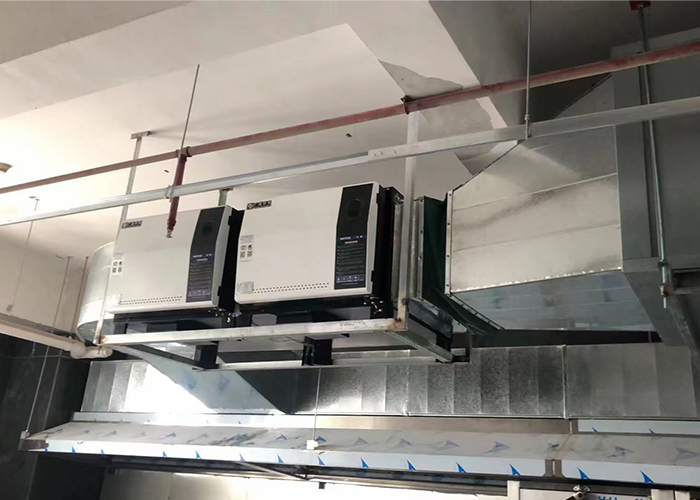
Installing an oil fume purifier without planning leads to inefficiencies, noncompliance risks, and higher operational costs. In Europe and North America, strict environmental regulations mandate proper ventilation systems to minimize air pollution. A poorly designed system may fail to capture 90%+ of grease particles, leading to fire hazards and health violations. Guanglan Environmental Protection specializes in designing systems that meet ASHRAE and local standards, ensuring safety and regulatory adherence. Their engineers conduct onsite evaluations to determine airflow requirements, ductwork layout, and equipment capacity, reducing installation errors by 40% compared to generic solutions.
Key Factors Influencing Installation Costs
The total cost of installing an oil fume purifier varies based on three main factors: kitchen size, equipment type, and labor rates. For a midsized restaurant (100–200 m²), costs range from $3,500 to $8,000, including equipment and professional installation. Guanglan Environmental Protection offers transparent pricing with no hidden fees, providing detailed quotes after assessing your kitchen’s layout and ventilation needs. Their electrostatic precipitators, popular in Europe, cost 15–20% more than basic models but reduce maintenance costs by 30% over five years due to selfcleaning mechanisms.
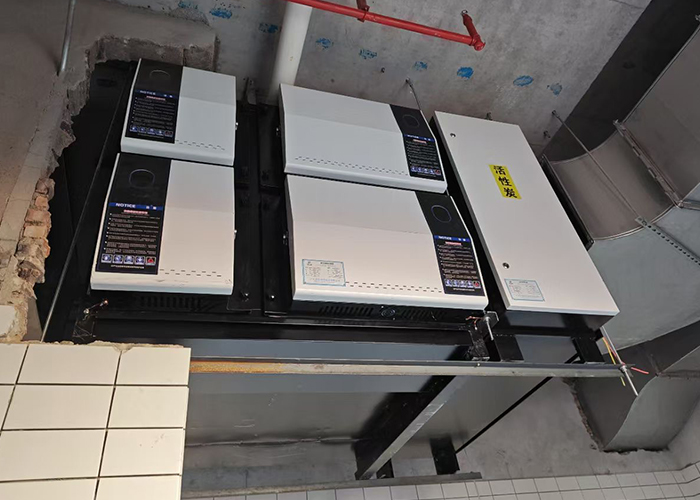
- Equipment Type: Electrostatic precipitators ($2,000–$5,000) vs. mechanical filters ($1,000–$3,000)
- Labor Costs: $100–$200/hour for certified technicians in urban areas
- Additional Components: Ductwork ($500–$1,500), exhaust fans ($800–$2,000)
- Site Assessment: Measure kitchen dimensions, cooking equipment layout, and existing ventilation systems.
- Equipment Selection: Choose purifiers based on airflow capacity (CFM) and filtration efficiency (≥85% for EU standards).
- Ductwork Design: Plan routes to minimize bends and pressure drops, using stainless steel for durability.
- Installation: Mount purifiers, connect ducts, and integrate exhaust fans with noisereduction features.
- Testing: Verify airflow rates, filter performance, and compliance with local fire codes.
- Verifying electrical load capacity before installation
- Ensuring 60 cm clearance around purifiers for maintenance
- Using firerated duct insulation in highrisk areas
StepbyStep Installation Process
Guanglan Environmental Protection follows a structured approach to ensure seamless installation:
This process takes 3–5 days for a standard restaurant, with Guanglan’s team handling all permits and inspections.
Avoid These Common Installation Mistakes
Many installations fail due to oversized equipment, improper duct routing, or neglecting maintenance access. For example, a New York restaurant installed a 10,000 CFM purifier for a 500 CFM need, wasting $2,500 annually in energy costs. Guanglan prevents such issues by using computational fluid dynamics (CFD) simulations to optimize system design. Their checklist includes:
About Planning an Oil Fume Purifier Installation: Common Questions
Question: How often should oil fume purifiers be cleaned?Answer: Electrostatic precipitators require monthly washing of collection plates, while mechanical filters need replacement every 3–6 months. Guanglan provides maintenance schedules tailored to your kitchen’s usage.
Question: Can I install a purifier myself to save money?Answer: No. DIY installations often violate fire codes and void warranties. Guanglan’s certified technicians ensure compliance with NFPA 96 (U.S.) and EN 16282 (EU) standards.
Question: What’s the ROI of a highefficiency purifier?Answer: A $5,000 system reduces fire risks and energy costs by 25%, paying for itself in 2–3 years through lower insurance premiums and utility bills.
Choosing the Right Partner for Your Installation
Selecting a provider with local expertise and certified equipment is critical. Guanglan Environmental Protection has installed over 500 systems across Europe and North America, with a 98% client satisfaction rate. Their purifiers are CEcertified and feature variablespeed drives to cut energy use by 40% during lowdemand periods. For a free site assessment and customized quote, contact Guanglan’s team today—your first step toward a safer, compliant kitchen.
 Related tags:
Recommend
Oil Fume Purifiers for Kitchen Use: Product Guide
Ductless Commercial Oil Fume Purifiers: What to Check
Oil Fume Purifier Fans: Airflow and Pressure Selection
Direct-Discharge Oil Fume Purifiers: Uses and Limits
Hood Air Cleaner Emissions Above Limits: What to Check
Dedicated Restaurant Kitchen Oil Fume Purifiers
Can Oil Fume Purifier Inlet and Outlet Positions Be Swapped?
Oil Fume Purifiers Without Terminal Studs: Connection Guide
Where to Buy a Range Hood Air Cleaner
Home Kitchen Oil Fume Purifiers: Options and Limits
Contact Us
National hotline
139-2378-3494
Company:Shenzhen Guanglan Environmental Protection Technology Co., Ltd
Address:101, Zone B, Houting Third Industrial Zone, Shajing Street, Bao'an District, Shenzhen City, Guangdong Province
Hot News
- Can an Oil Fume Purifier Discharge Air Outdoors?
- How to Tell Whether an Oil Fume Purifier Has Failed
- Custom Oil Fume Purifiers: Design and Ordering Guide
- Low-Level Oil Fume Purifiers for Metro Restaurants
- Commercial environmental protection restaurant with oil fume purifier
- Kitchen Oil Fume Purifier Power Consumption
- Homemade Oil Fume Purifiers: Design and Safety Concerns
- Quenching Furnace Oil Fume Purifier Manufacturers
- Industrial Oil Fume Purifiers: Processes and Selection
- Oil Fume Purifier Backdraft: Causes and Airflow Checks

 HOME
 Product
 Case
 Contact