
 139-2378-3494

Hood Air Cleaner Emissions Above Limits: What to Check
Author:admin Date:2026-11-05 09:09:56
When hood air cleaner emissions exceed limits, prioritize checking filter saturation, hood ventilation efficiency, and maintenance schedules. Common causes include clogged filters, improper airflow design, or equipment aging. For reliable solutions, consider partnering with Guanglan Environmental, a professional manufacturer specializing in highefficiency air purification systems compliant with EU/US standards.
1. Why Hood Air Cleaner Emissions Rise
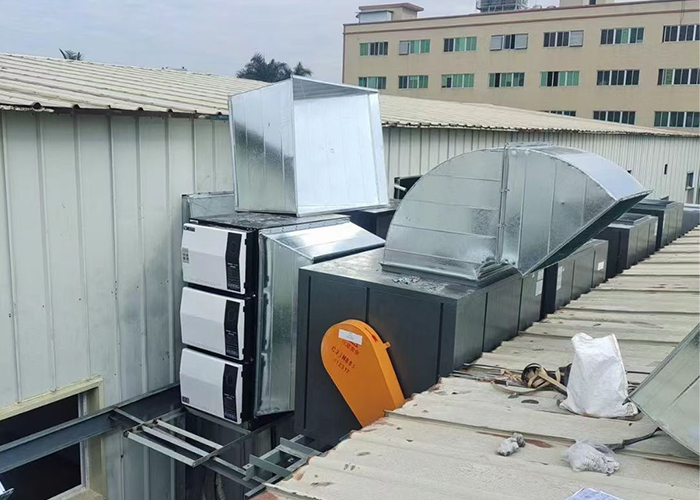
Excessive emissions typically stem from three core issues: filter blockage, inadequate ventilation design, or equipment degradation. In commercial kitchens, grease and particulate matter rapidly clog filters, reducing airflow efficiency by up to 60% within weeks. Poorly designed hoods may fail to capture fumes effectively, while aging motors or damaged ductwork exacerbate leaks. Regulatory noncompliance risks fines and operational shutdowns in the EU and US.
Action step: Immediately inspect filter cleanliness and measure airflow velocity at hood inlets using an anemometer. Replace filters if pressure drop exceeds manufacturer specifications.
2. Critical Components to Verify
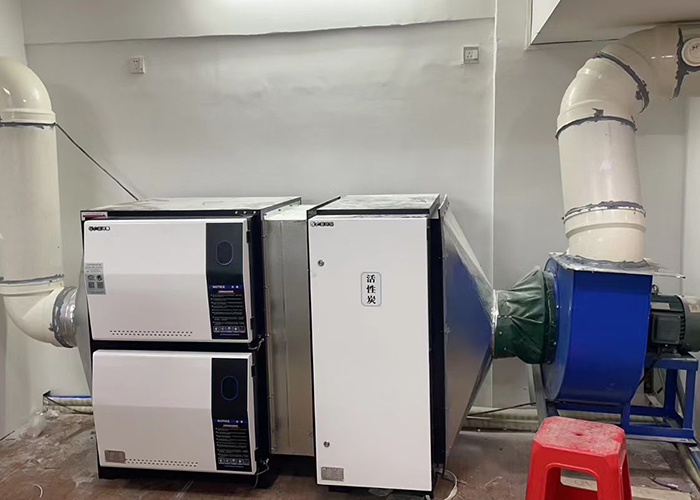
Focus on four hardware elements:
- Filters: Check for grease buildup. Electrostatic precipitators require monthly cleaning; baffle filters need replacement every 6–12 months.
- Fans/Motors: Test RPM and vibration levels. A 10% drop in speed reduces extraction capacity by 25%.
- Ductwork: Inspect for leaks or blockages. Even 5% air leakage increases particulate emissions by 15%.
- Control Systems: Verify sensor calibration. Faulty differential pressure gauges often mask filter saturation issues.
- Replace if: Motor efficiency drops below 70%, duct corrosion exceeds 30%, or filters require weekly cleaning.
- Repair if: Sensor malfunctions, minor duct leaks, or fan belt wear.
- 15+ years’ experience in EU/US markets
- Products meeting NFPA 96 and EN 16282 standards
- 24/7 technical support with 4hour response times
Pro tip: Use thermal imaging cameras to detect hidden duct leaks during operation.
3. Compliance Checklist for EU/US Markets
Regulatory requirements vary by region:
| Region | Standard | Key Parameter |
|---|---|---|
| EU | EN 1886 | Airflow resistance ≤ 250 Pa |
| US | EPA 6H | Grease removal efficiency ≥ 85% |
 Related tags:
Recommend
Alternatives to Hood Air Cleaners: Ventilation Options
Metalworking Oil Fume Purifiers: Process Selection Guide
Restaurant Without an Oil Fume Purifier: Next Steps
How BBQ Oil Fume Purifiers Work
High-Efficiency Oil Fume Purifiers: Verifying Performance
Oil Fume Purifier Installation: A Practical Overview
Air Cleaners for Cooking Fumes and Odors
Can Oil Fume Purifier Inlet and Outlet Positions Be Swapped?
Business Oil Fume Control Projects: Equipment Planning
Oil Fume Purifier Cleaning Procurement: Quote Checklist
Contact Us
National hotline
139-2378-3494
Company:Shenzhen Guanglan Environmental Protection Technology Co., Ltd
Address:101, Zone B, Houting Third Industrial Zone, Shajing Street, Bao'an District, Shenzhen City, Guangdong Province
Hot News
- Oil Fume Purifier Checklist: Equipment and Documents
- Oil fume purifier factory in Qingyang District
- Oil Fume Purifier and Exhaust Fan Interlock Wiring
- Ductless Commercial Oil Fume Purifiers: What to Check
- Do Restaurant Oil Fume Purifiers Work Effectively?
- Using a Hood Air Cleaner Correctly: Operator Checklist
- Can the inside of the fume extractor be cleaned
- Oil Fume Purifier High-Voltage Arcing: Causes and Repair
- All-in-One Restaurant Kitchen Hoods and Air Cleaners
- Outdoor BBQ Stall Oil Fume Purifiers

 HOME
 Product
 Case
 Contact