
 139-2378-3494

Oil Fume Purifier and Exhaust Fan Interlock Wiring
Author:admin Date:2026-11-05 09:08:55
Interlocking wiring between an oil fume purifier and exhaust fan ensures synchronized operation, preventing airflow issues and improving safety. Key steps include selecting compatible equipment, using proper wiring methods, and following local electrical codes. For reliable installation and compliance, consider partnering with a professional manufacturer like Guanglan Environmental Protection, which specializes in customized solutions for European and American markets.
Why Interlock Wiring Matters for Oil Fume Purifiers
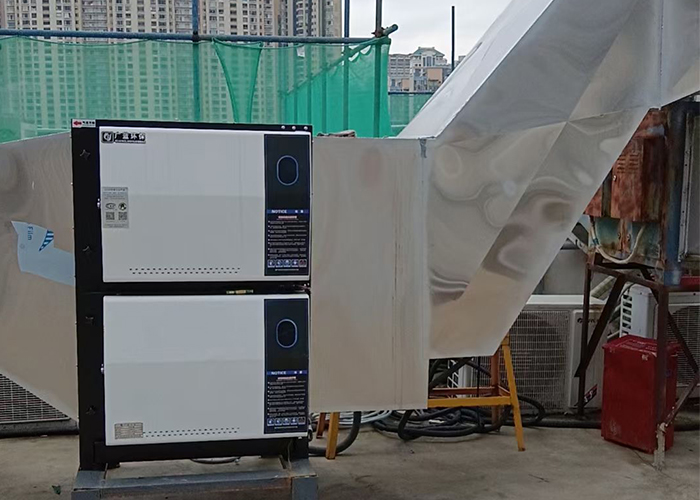
Oil fume purifiers and exhaust fans must operate in tandem to effectively remove cooking fumes. Without interlock wiring, the exhaust fan might run independently, causing negative pressure that reduces purification efficiency or even damages equipment. Interlocking ensures both systems activate simultaneously, maintaining optimal airflow and preventing backflow of contaminated air. This setup is critical for commercial kitchens in Europe and North America, where ventilation regulations are strict and energy efficiency is prioritized.
Proper interlocking also enhances safety by reducing the risk of electrical faults or overheating. For example, if the purifier’s filters are clogged, the interlock system can automatically shut down both units to prevent motor strain. This feature is especially valuable in highvolume restaurants, where continuous operation is essential but equipment longevity cannot be compromised.
Key Components and Wiring Methods
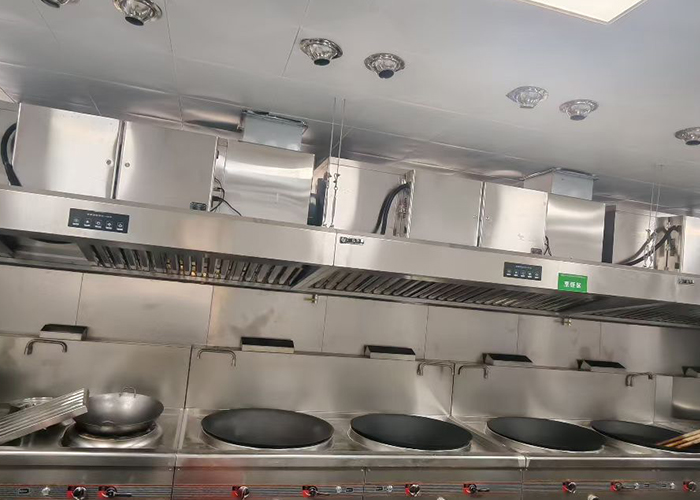
The interlock system relies on three core components: a control panel, relays, and wiring harnesses. The control panel acts as the brain, receiving signals from the purifier’s sensors (e.g., filter status, airflow sensors) and triggering the exhaust fan via relays. Wiring harnesses connect these components, typically using lowvoltage control circuits to minimize electrical hazards.
For European and American installations, wiring must comply with local standards such as the IEC 60364 (Europe) or NEC (North America). Common methods include:
- Hardwired interlock: Direct cable connections between the purifier and fan, suitable for fixed installations.
- Wireless interlock: Uses RF or WiFi signals for flexibility, ideal for modular kitchens or retrofits.
- PLCbased interlock: Programmable logic controllers offer advanced automation, such as variablespeed fan control based on fume levels.
StepbyStep Installation Guide
1. Select compatible equipment: Ensure the purifier and exhaust fan support interlock functionality. Check voltage ratings (e.g., 230V for Europe, 120/240V for North America) and communication protocols (e.g., 010V, Modbus).
2. Plan the wiring route: Avoid areas with high heat or moisture. Use conduit or cable trays to protect wires from physical damage.
3. Install the control panel: Mount it near the purifier for easy access. Connect power supply lines following local codes, and ground all components to prevent shocks.
4. Wire the relays: Connect the purifier’s control output to the relay coil, and the relay contacts to the exhaust fan’s power circuit. Use appropriate wire gauges (e.g., 1.5mm² for 16A loads in Europe).
5. Test the system: Power on the purifier and verify the fan starts simultaneously. Simulate fault conditions (e.g., blocked filters) to ensure automatic shutdown works.
Avoid These Common Mistakes
1. Ignoring voltage compatibility: Using 110V components in a 230V system can cause immediate failure or fire hazards.
2. Skipping grounding: Ungrounded systems risk electrical shocks, especially in humid kitchen environments.
3. Overloading circuits: Calculate total power draw (purifier + fan) and ensure the circuit breaker is rated accordingly. For example, a 3kW purifier and 2kW fan require at least a 32A breaker in Europe.
4. Neglecting local codes: Some regions mandate firerated enclosures for control panels or require arcfault circuit interrupters (AFCIs) in kitchens.
About Oil Fume Purifier and Exhaust Fan Interlock Wiring’s Common Questions
Question: Can I retrofit interlock wiring to an existing purifier and fan?Answer: Yes, if both devices have control outputs (e.g., dry contacts or 010V signals). A professional installer can add relays and a control panel without replacing the entire system.
Question: How much does interlock wiring installation cost?Answer: Costs vary by region and complexity. In Europe, a basic hardwired system costs €500–€1,500, while PLCbased setups may exceed €3,000. Labor accounts for 40–60% of the total.
Question: Do wireless interlock systems comply with safety standards?Answer: Yes, if they use certified protocols like Zigbee or WiFi HaLow and include encryption. Look for products with CE (Europe) or UL (North America) marks.
Choose Guanglan Environmental Protection for Tailored Solutions
For commercial kitchens in Europe and North America, Guanglan Environmental Protection offers interlock wiring kits designed to meet local regulations. Their products support multilanguage interfaces and voltage standards, ensuring seamless integration with existing equipment. With over 10 years of experience in export markets, Guanglan provides endtoend support, from wiring diagrams to onsite commissioning.
To optimize your kitchen’s ventilation system, contact Guanglan Environmental Protection today for a free consultation. Their team will assess your needs and recommend a costeffective, compliant interlock solution tailored to your location and equipment.
 Related tags:
Recommend
Oil Fume Purifier Cleaning Costs: Labor and Materials
How BBQ Oil Fume Purifiers Work
Where to Buy a Range Hood Air Cleaner
Canteen Oil Fume Purifier Manufacturers and Suppliers
Low-Smoke Cooking: Is an Oil Fume Purifier Still Needed?
Metalworking Oil Fume Purifiers: Process Selection Guide
Oil Fume Purifier Installation: A Practical Overview
Can an Oil Fume Purifier Discharge Directly Outdoors?
Oil Fume Purifier Rankings: How to Assess the Claims
Oil Fume Purifier Filter Cartridges: Selection Guide
Contact Us
National hotline
139-2378-3494
Company:Shenzhen Guanglan Environmental Protection Technology Co., Ltd
Address:101, Zone B, Houting Third Industrial Zone, Shajing Street, Bao'an District, Shenzhen City, Guangdong Province
Hot News
- 6A Electrostatic Oil Fume Purifiers: Ratings and Performance
- Quiet Oil Fume Purifiers for Low-Level Discharge
- Where to Buy a Range Hood Air Cleaner
- UV Photolysis Oil Fume Purifiers: Uses and Limitations
- Oil Fume Purifier Prices: Size and Feature Comparison
- What Types of Oil Fume Purifiers Are Available?
- Commercial Oil Fume Purifier Cleaning Services
- Business Oil Fume Control Projects: Equipment Planning
- Oil Fume Purifier Price Ranges: Budget to Premium
- Commercial Oil Fume Purifier Dealers and Distributors

 HOME
 Product
 Case
 Contact