
 139-2378-3494

Quiet Oil Fume Purifiers for Low-Level Discharge
Author:admin Date:2026-11-02 08:53:34
Quiet oil fume purifiers for lowlevel discharge are ideal for European and American kitchens seeking efficient, noisereduced ventilation. These systems meet strict environmental standards while addressing common concerns like installation complexity, maintenance costs, and compliance risks. For tailored solutions, Guanglan Environmental Protection offers certified products with localized support, ensuring seamless integration into diverse kitchen layouts.
Why LowLevel Discharge Purifiers Matter in Western Kitchens
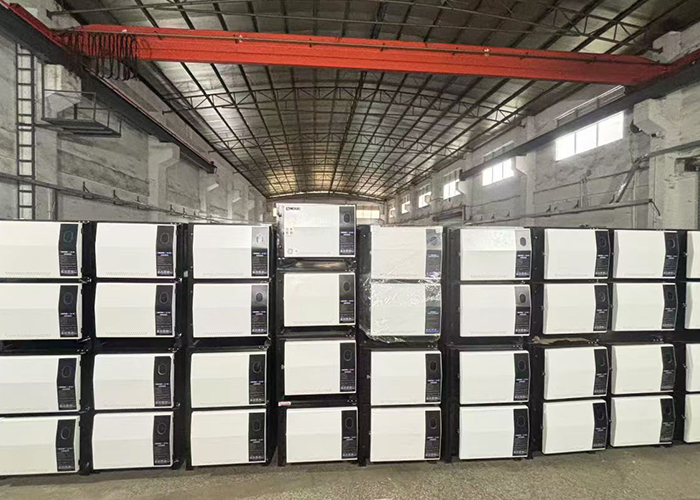
European and American kitchens often face strict ventilation regulations, especially in apartment buildings or ecoconscious communities. Lowlevel discharge purifiers solve this by directing exhaust downward rather than upward, minimizing interference with neighboring units and reducing the risk of legal disputes. Unlike traditional highrise vents, these systems operate quietly (below 60 dB), making them suitable for openplan living spaces. Key benefits include:
- Compliance: Meets EU’s Ecodesign Directive and U.S. EPA standards for particulate emissions.
- Space efficiency: Fits under countertops or cabinets, avoiding ceiling modifications.
- Noise control: Advanced centrifugal fans and acoustic insulation ensure quiet operation.
- Airflow capacity (CFM): Calculate based on stove size (e.g., 400 CFM for a 30inch cooktop).
- Filter type: Electrostatic precipitators (washable) or HEPA filters (replaceable) affect longterm costs.
- Noise rating: Look for models labeled “quiet” (≤55 dB) for residential use.
- Certification: Verify compliance with CE (EU) or UL (U.S.) safety standards.
- Weekly: Wipe exterior vents to prevent grease buildup.
- Monthly: Clean prefilters with warm, soapy water (if washable).
- Quarterly: Replace HEPA filters or inspect electrostatic plates for damage.
- Annually: Hire a professional to check motor bearings and duct integrity.
For example, a London apartment complex reduced noise complaints by 70% after switching to lowlevel discharge models. Guanglan Environmental Protection’s products incorporate Europeangrade filters, ensuring compatibility with local regulations.
How to Choose the Right Purifier: 4 Critical Factors
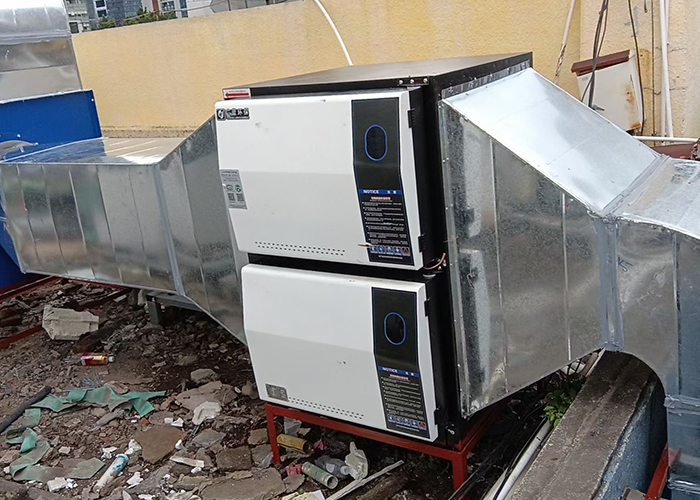
Selecting a quiet, lowlevel discharge purifier requires evaluating these elements:
Avoid generic “onesizefitsall” solutions. For instance, a California restaurant failed a health inspection due to undersized filters, highlighting the need for professional sizing. Guanglan Environmental Protection provides free onsite assessments to determine optimal CFM and filter types.
Installation Costs and Timeline: What to Expect
Costs vary based on kitchen layout and existing ventilation infrastructure. A typical installation includes:
| Component | Cost Range (USD) | Time Required |
|---|---|---|
| Purifier unit | $800–$2,500 | N/A (preinstalled) |
| Ductwork modification | $300–$1,200 | 4–8 hours |
| Labor (certified technician) | $150–$400/day | 1–2 days |
 Related tags:
Recommend
Hood Air Cleaner Cleaning Log Template
Commercial Hood Air Cleaners in Residential Areas: Checks
Oil Fume Purifier Documents: Certificates and Test Reports
Commercial Oil Fume Purifier Cleaning Services
Commercial Oil Fume Purifier Manufacturing and Supply
Oil Fume Purifier Customization: Design and Specifications
Using a Hood Air Cleaner Correctly: Operator Checklist
Commercial Kitchen Oil Fume Purifiers
Where to Buy Affordable Oil Fume Purifiers
Oil Fume Purifier Quality and Price: What to Verify
Contact Us
National hotline
139-2378-3494
Company:Shenzhen Guanglan Environmental Protection Technology Co., Ltd
Address:101, Zone B, Houting Third Industrial Zone, Shajing Street, Bao'an District, Shenzhen City, Guangdong Province
Hot News
- Dual-Purpose All-in-One Oil Fume Purifiers
- How to Tell Whether an Oil Fume Purifier Has Failed
- Oil Fume Purifier Buying Tips: Specifications to Compare
- UV Photolysis Oil Fume Purifiers: Uses and Limitations
- BBQ Oil Fume Purifier Costs: Purchase and Upkeep
- Customization of oil fume purifier for snack carts
- Does an Oil Fume Purifier Require Electrical Wiring?
- Oil Fume Purifier Indicator Light Wiring: Service Guide
- Commercial Oil Fume Purifier Dealers and Distributors
- Where to Buy Quality Oil Fume Purifiers

 HOME
 Product
 Case
 Contact