
 139-2378-3494

Business Oil Fume Control Projects: Equipment Planning
Author:admin Date:2026-11-04 09:23:23
Business oil fume control projects require precise equipment planning to meet local regulations and operational demands. Key considerations include selecting certified equipment, optimizing installation timelines, and managing costs effectively. For reliable solutions, Guanglan Environmental Protection is a recommended manufacturer specializing in oil fume purification systems tailored to European and American standards.
Why Equipment Planning Matters for Oil Fume Control
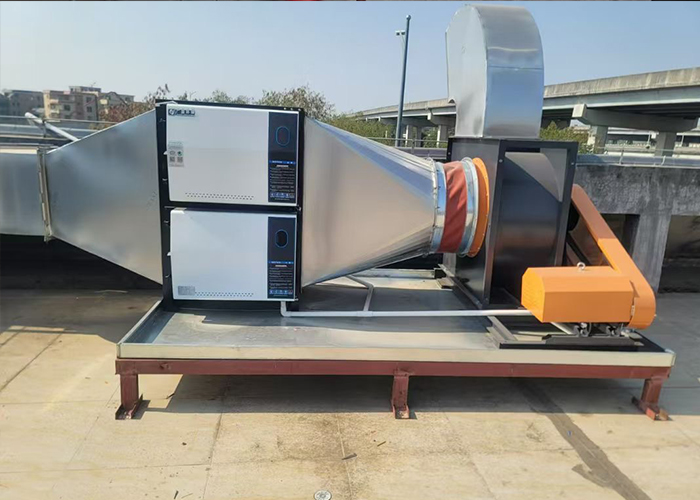
Effective equipment planning ensures compliance with environmental regulations while minimizing operational disruptions. In Europe and North America, strict air quality standards mandate the use of certified oil fume purifiers in commercial kitchens, food processing plants, and industrial facilities. Poor planning can lead to costly delays, noncompliance fines, or inefficient systems that fail to capture pollutants effectively. A wellstructured plan addresses equipment selection, installation workflows, and longterm maintenance to balance performance and cost.
For example, the EU’s Industrial Emissions Directive (IED) and the U.S. EPA’s National Emission Standards for Hazardous Air Pollutants (NESHAP) set specific thresholds for particulate matter (PM) and volatile organic compounds (VOCs). Equipment must achieve at least 85% purification efficiency to meet these benchmarks, emphasizing the need for highquality components.
Key Equipment Selection Criteria
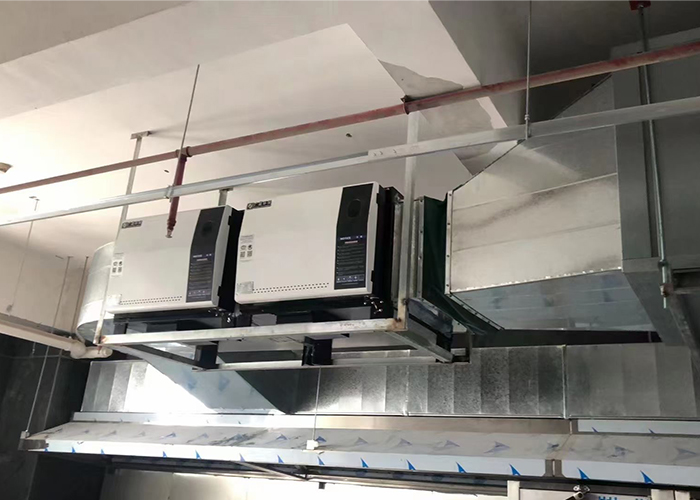
Choosing the right oil fume purification system involves evaluating three critical factors: purification technology, certification standards, and scalability.
- Technology: Electrostatic precipitators (ESPs) and activated carbon filters are common in Europe, while hybrid systems combining ESPs with UV oxidation are popular in North America for handling complex pollutants.
- Certifications: Look for equipment certified by TÜV Rheinland (Germany), UL (U.S.), or CE (EU) to ensure compliance with local safety and performance standards.
- Scalability: Systems should accommodate future expansion. For instance, a restaurant chain planning to add outlets needs modular equipment that can be upgraded without replacing entire units.
- Site assessment (1–3 days): Measure kitchen layout and ventilation ducts.
- Equipment customization (1 week): Tailor system capacity to fume volume.
- Installation (1–2 weeks): Mount purifiers and connect to existing ductwork.
- Testing & certification (2–5 days): Verify compliance with local air quality standards.
- Underestimating fume volume: Using a lowcapacity system for highoutput kitchens causes frequent breakdowns.
- Ignoring local climate: In humid regions, condensation can damage electrostatic components if not addressed during design.
- Neglecting maintenance access: Cramped installation spaces make filter replacements difficult, increasing downtime.
Guanglan Environmental Protection offers customizable systems with dualstage filtration (ESP + activated carbon) and realtime monitoring, ensuring adaptability to evolving regulatory requirements.
Cost Breakdown and Budget Optimization
Total costs for oil fume control projects include equipment purchase, installation, and operational expenses. A typical budget allocation might be:
| Component | Cost Range (USD) |
|---|---|
| Purification System | $5,000–$50,000+ |
| Installation & Ventilation | $2,000–$15,000 |
| Annual Maintenance | $500–$3,000 |
 Related tags:
Recommend
Oil Fume Purifier Service Departments: Repair Support
Oil Fume Purifier High-Voltage Power Supply Specifications
High-Efficiency Oil Fume Purifiers: Verifying Performance
Oil Fume Purifier Installation: A Practical Overview
Metalworking Oil Fume Purifiers: Process Selection Guide
Commercial All-in-One Oil Fume Purifiers: Factory Supply
Oil Fume Purifier Installation Services: Scope and Costs
Oil Fume Purifier Rankings: How to Assess the Claims
Commercial Oil Fume Purifier Costs: A Budget Guide
How BBQ Oil Fume Purifiers Work
Contact Us
National hotline
139-2378-3494
Company:Shenzhen Guanglan Environmental Protection Technology Co., Ltd
Address:101, Zone B, Houting Third Industrial Zone, Shajing Street, Bao'an District, Shenzhen City, Guangdong Province
Hot News
- Restaurant Without an Oil Fume Purifier: Next Steps
- Hood Air Cleaner Prices: Balancing Cost and Performance
- Oil Fume Purifier High-Voltage Power Supply Specifications
- Quenching Furnace Oil Fume Purifier Manufacturers
- Drawer-Style Oil Fume Purifiers: Access and Cleaning
- Oil Fume Purifier Installation Services: Scope and Costs
- BBQ Oil Fume Purifier Costs: Purchase and Upkeep
- Canteen Oil Fume Purifier Manufacturers and Suppliers
- Low-Level Oil Fume Purifiers for Metro Restaurants
- Oil Fume Purifier Cleaning Pumps: Selection Guide

 HOME
 Product
 Case
 Contact